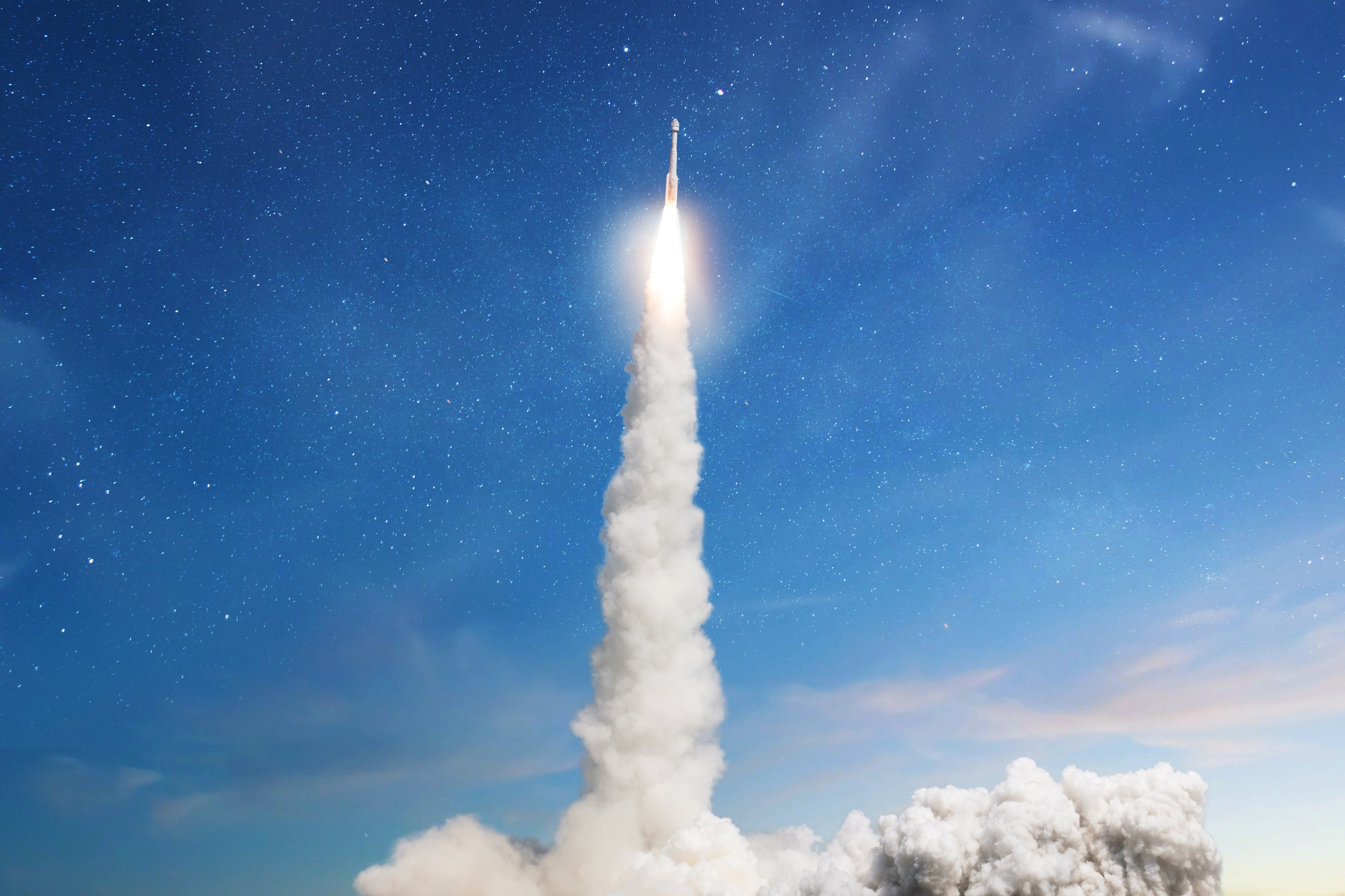
Space companies have created exciting new possibilities for space travel and exploration. These companies have slashed launch costs, landed reusable rockets, built massive satellite constellations, and made commercial spaceflight a reality.
Not only that, NASA is investing in long-term exploration and scientific research, and the Artemis Program is one of its initiatives that looks to send humans back to the moon for the first time in decades.
One company carving out a place in the burgeoning space economy is Rocket Lab (RKLB 2.85%). The company is the second-most-used launch company in the United States, trailing only SpaceX. While it has established itself as a small satellite company, Rocket Lab has its sights set on even bigger things in 2026.
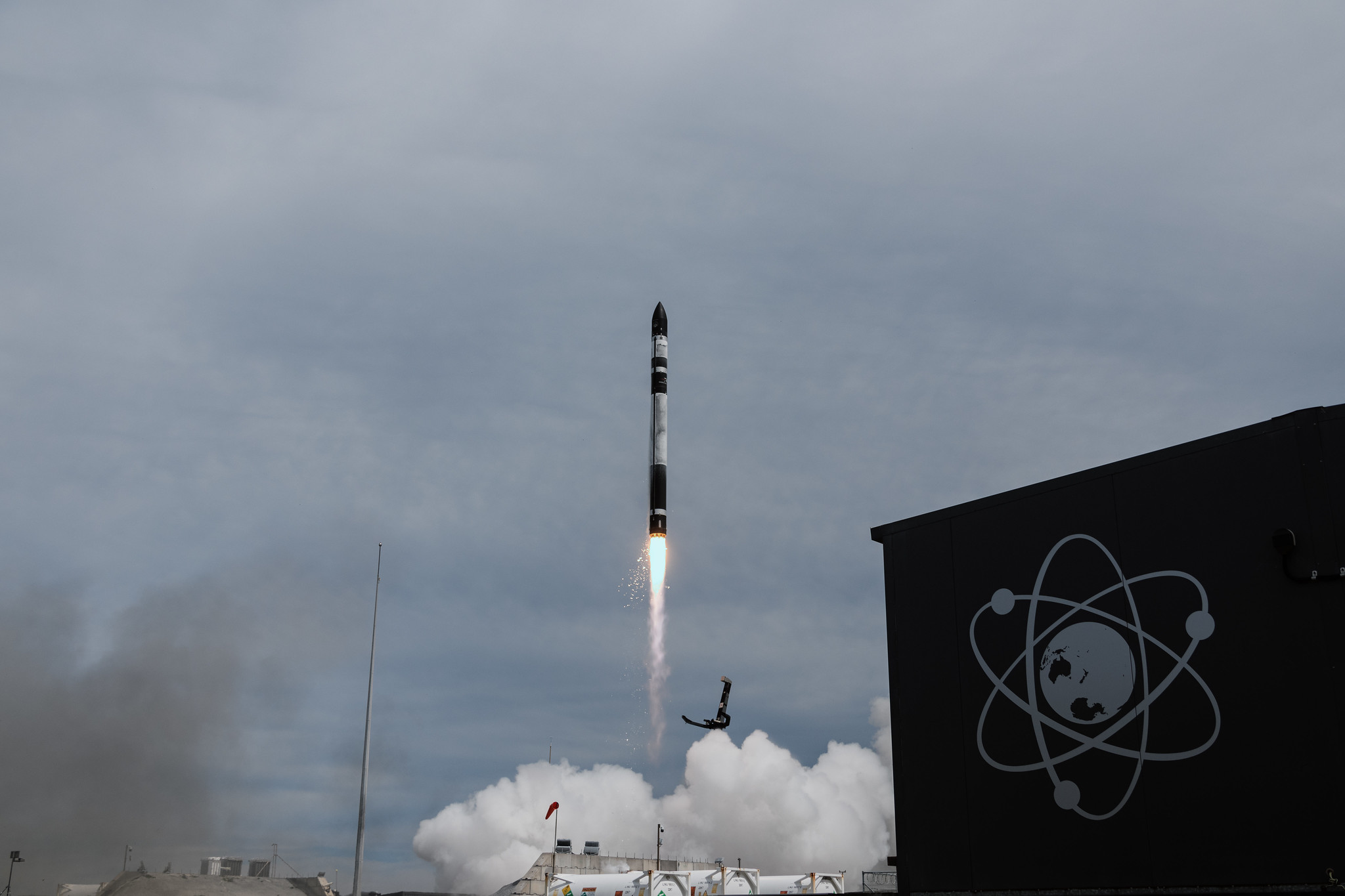
Image source: Rocket Lab.
Rocket Lab's new launch vehicle could unlock huge revenue
Rocket Lab found its niche in serving clients who launch small satellites into orbit. Its Electron rocket is a small-lift launch vehicle designed for frequent, cost-effective missions, making it ideal for small payloads. Since its founding, the company has completed 77 launches, including four in November.

NASDAQ: RKLB
Key Data Points
While Rocket Lab has a steady stream of small-satellite clients, the company wants to expand its capabilities and begin taking on larger payloads. To do so, the company has developed a medium-lift rocket called Neutron. This rocket could carry payloads up to 40 times larger than its Electron rocket, thanks to its 13,000 kg payload capacity.
The timeline of Rocket Lab's Neutron launch has been a topic of debate among investors. That's because it has the potential to unlock significant revenue streams that are six times larger while enabling it to better compete with SpaceX's Falcon 9 launch vehicle.
Rocket Lab had hoped to launch its Neutron rocket by the end of this year. However, the company has experienced some minor delays, which have pushed the launch into the first quarter of next year. Analysts at Morgan Stanley said the delay was "more modest than feared," while Stifel views the delayed launch as a "more realistic goal, prioritizing mission success over speed." Rocket Lab hopes to launch Neutron three times next year and another five times in 2027.
Its other space business is thriving
Rocket Lab isn't just a launch company. It also has a thriving space systems business, where it designs and manufactures spacecraft components and supports missions. Here, it provides key components for the space economy, such as composite structures, reaction wheels, star trackers, solar solutions, radios, separation systems, and control software.
Through the first nine months of this year, its space systems business generated $93.7 million in gross profit, more than twice that of its launch services business. The company will build on this positive momentum into 2026. Its backlog, which represents future revenue for contracts not yet fulfilled, now stands at over $1 billion, with $586 million of this from space systems.
The U.S. Space Development Agency (SDA) is building out constellations as part of broader U.S. national security initiatives, creating a massive opportunity for space companies such as Rocket Lab. The SDA is preparing for the next tranche of satellite contracts (Tranche 3), which will involve the development and deployment of more than 50 missile-tracking and missile-defense satellites. A decision on these awards is expected sometime next year.
Next year could be a big one for Rocket Lab
Rocket Lab could have a huge year next year if the long-awaited launch of its Neutron rocket becomes a reality. However, further delays or a failed launch could have negative implications in the short term, so investors should always be aware of the risks.
That said, the company is largely on track to launch its Neutron rocket; its space systems business is thriving, and its $1 billion backlog shows robust demand for future services, making Rocket Lab a solid investment for those looking to capitalize on the booming space economy in the decades ahead.