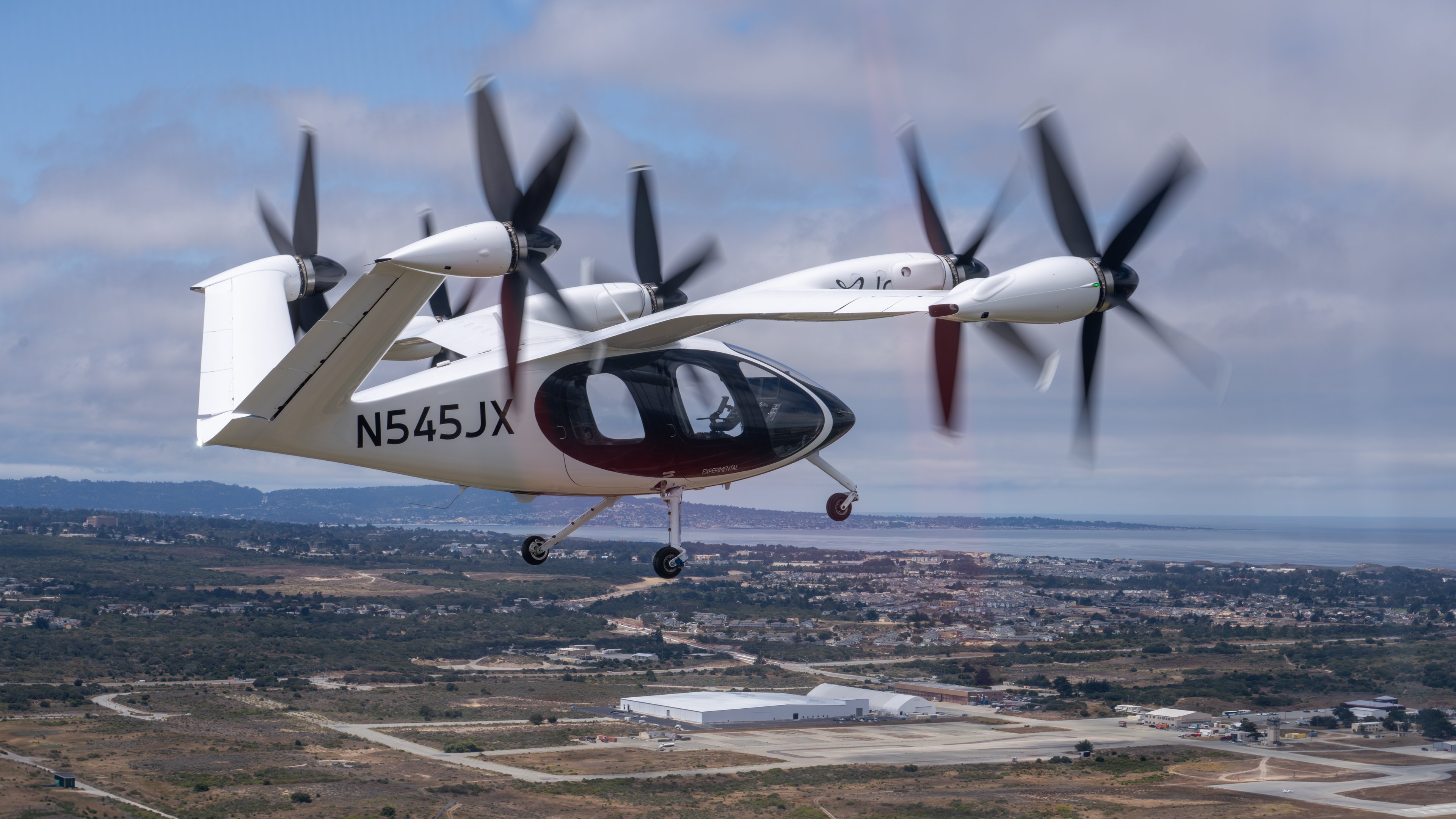
Electric vertical take-off and landing (eVTOL) company Joby Aviation (JOBY +1.47%) came to the market in 2021 and has outperformed the S&P 500 (SNPINDEX: ^GSPC) over the last three years (336% to 75%) and over the last year (73% to 13%) as investors have warmed to the eVTOL investing theme and Joby Aviation in particular. However, the key question now is whether it can continue.
The bears' case for Joby Aviation
It's no secret that Wall Street is reluctant to issue "sell" recommendations, so when an analyst at a heavyweight like Goldman Sachs makes one, it's a good idea to take it seriously. The analyst's recommendation and $10 price target (compared to the current price of about $15) stem from a combination of valuation concerns and the fear that its integrated business model will lead to regulatory issues and require heavy investment.

NYSE: JOBY
Key Data Points
As a reminder, Joby's business model involves being both the original equipment manufacturer (OEM) and the owner and operator of its own aircraft. That's why it has a partnership and investment from Uber Technologies. That model gives it more upside potential than an OEM rival like Archer Aviation (ACHR +0.31%).
However, it will take time to realize the value in the business. With a $13.9 billion market cap and estimated 2025 sales of less than $40 million, Joby is definitely priced with optimistic assumptions of long-term growth in mind. Those assumptions might prove misplaced if the analyst's fears over possible regulatory hurdles are realized. In comparison, an OEM-concentrated business like Archer is more focused on generating eVTOL sales.

Image source: Getty Images.
The bulls' case for Joby Aviation
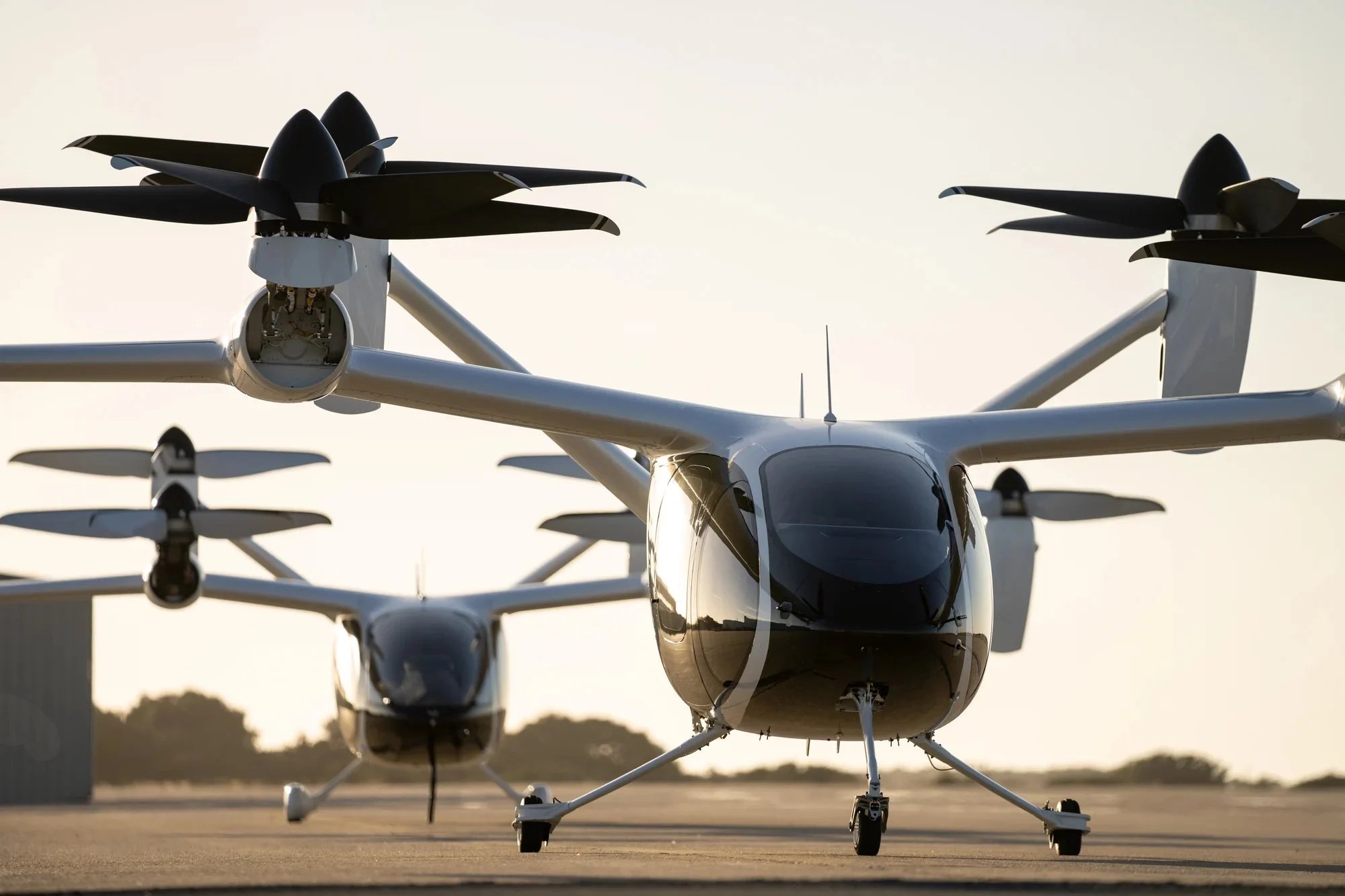
The stock's supporters point out that Joby is leading the race for Federal Aviation Administration (FAA) certification ahead of Archer and others. In fact, Joby expects FAA pilots to begin Type Inspection Authorization (TIA) flights on Joby's eVTOL in 2026.
The bulls argue that this validates Joby's vertical manufacturing approach, which primarily focuses on designing, developing, and manufacturing components for its aircraft (with engineering support from partner and investor Toyota). This is distinct from Archer and others that leverage the expertise and know-how of larger established companies to buy in components.
In theory, Archer's model should be less risky and give it an advantage in the certification race with Joby, but that doesn't appear to be the case here. As such, Joby's stock has significantly outperformed Archer's.
For the bulls, Joby's potential means the company won't have trouble securing funding, provided it can get FAA certification. Moreover, while urban air mobility may face substantial regulatory hurdles, Joby has growth opportunities in the defense/government sectors, as well as in regional air mobility. Additionally, Delta Air Lines has invested in Joby to support home-to-airport transportation for its premium customers.
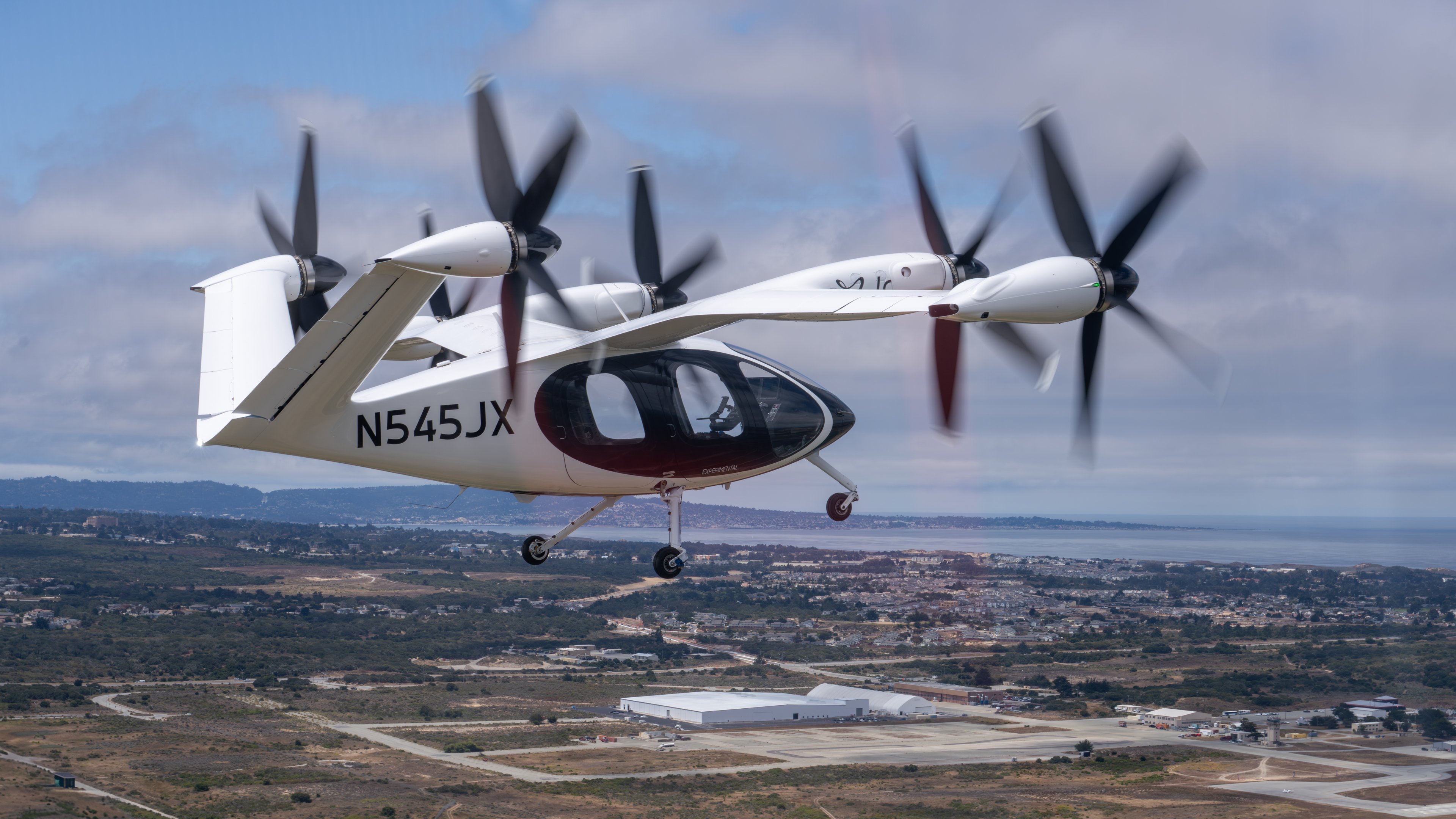
Image source: Joby Aviation.
Can Joby Aviation continue to outperform?
The short answer is "yes," provided everything goes right and Joby becomes the "Uber of the skies." However, a more considered answer is that much of the optimism has already been baked into the stock. Before buying in or adding to a position, investors might consider that they might get a better entry point into a stock that has historically been volatile. Something to consider.