There are few investments in recent memory that have performed better than Netflix (NFLX +0.37%). In the past two decades, this dominant streaming stock has soared 25,190% (as of Dec. 10). This means that a $4,000 investment made in December 2005 would be worth $1 million today. That shows the huge gains that can be achieved when investors buy disruptors early and hold on.
Netflix is a monster these days, with a market cap of $428 billion. Could buying right now help you retire a millionaire?

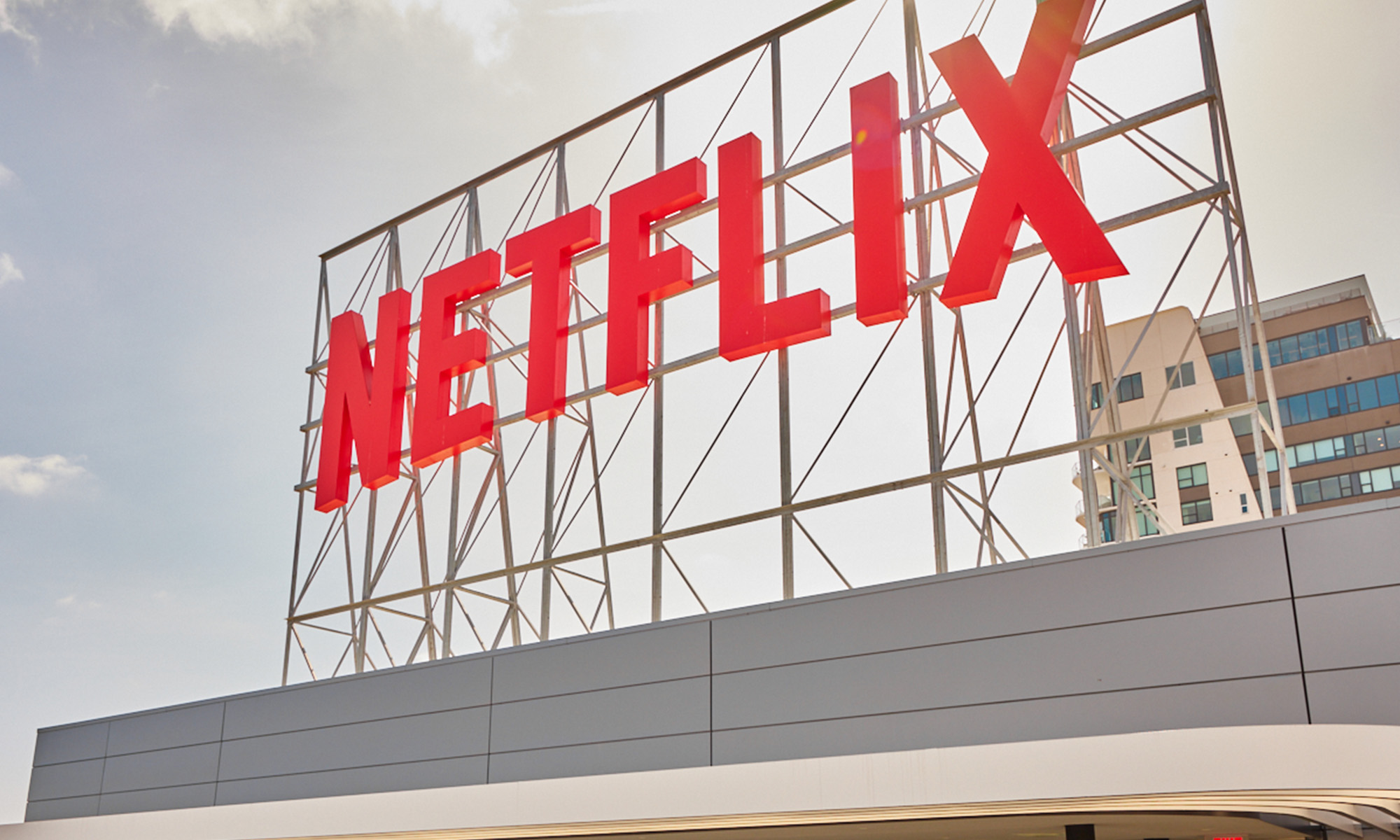
Image source: Netflix.
Netflix is trying to strengthen its competitive position
Netflix generated $11.5 billion in revenue and $3.2 billion in operating income in the latest quarter (the third quarter ended Sept. 30). It ended 2024 with over 300 million global subscribers. However, the company is aiming to bolster its position in the industry, with an offer out to acquire certain assets of Warner Bros. Discovery at an $83 billion enterprise value.
The motivation for Netflix is clear. The company wants to expand its content portfolio, while leveraging Warner Bros.' film studios and taking control of HBO Max. But Netflix plans to borrow a $59 billion bridge loan to complete the deal, adding a significant amount of debt to its balance sheet.
Paramount Skydance has countered with a $108 billion all-cash offer to buy all of Warner Bros. Discovery. This could be a lengthy battle to see which party comes out victorious. There are also regulatory approvals that need to be obtained, which is far from a sure thing.
There are risks to be mindful of
Netflix has experienced tremendous growth in the past, and it has a history of successfully pivoting its strategy to keep reaching new heights. From cracking down on password sharing to launching a lucrative ad-based subscription tier to prudently entering the market for live sports rights, Netflix has always been very methodical about its approach.
However, there are risks to keep in mind.
The first is just how competitive the industry has become. A decade ago, Netflix was expanding rapidly because it was a cheaper and better option compared to cable TV. Now, it has to go toe-to-toe with traditional media players, as well as dominant tech titans that have deep pockets, all of which are vying to attract more viewer attention in the streaming wars.
Netflix's operations in the U.S., its most critical market, are also maturing. There isn't that much room to penetrate more households across the country, forcing the business to rely on pricing increases. This setup can put a cap on domestic growth, while Netflix depends more on international markets where pricing is lower.

NASDAQ: NFLX
Key Data Points
Here's how investors should think about Netflix
Assuming investors have 30 years until retirement, which obviously might not be the case depending on your individual circumstances, it would require a 100-fold gain to turn a $10,000 starting sum into $1 million. This translates to a superb annualized return of 16.6%. Finding these types of opportunities is rare, although Netflix more than fit the bill historically.
To be clear, this remains a high-quality business with a bright future. Consensus analyst estimates forecast revenue of $56.7 billion and operating income of $19.7 billion in 2027, both figures that would be substantially higher than the current amounts. And there is still a huge opportunity to bring on more subscribers.
With the stock trading 31% below its peak, investors are now being asked by the market to pay a price-to-earnings ratio of 38.7. That multiple, which still looks expensive, has dropped significantly from just 12 months ago. Investors who have been waiting patiently for the dip might be eyeing this opportunity to add an industry leader to their portfolios.
However, don't expect Netflix to help you retire a millionaire. Compared to the early years, this is now a more mature company, and its growth going forward isn't likely to resemble the past.