Nvidia (NVDA 3.30%) reached a major milestone this year -- and I'm not talking about the launch of a new artificial intelligence (AI) product. The AI giant saw its market value soar past $4 trillion to make it the world's biggest company -- Nvidia surpassed Microsoft and Apple, two players that each have held that position in recent years.
Since, Nvidia has held onto the top spot, and its market value soared as high as $5 trillion before returning to levels of about $4.3 trillion. The reason for the market cap gain is clear: Investors see Nvidia as the ultimate stock to buy to benefit from the AI boom. Nvidia makes the world's No. 1 graphics processing units (GPUs), or the chips powering the development and use of AI. And the company has built out its offerings to include a wide range of related products and services.
Considering all of this, could Nvidia become the first $10 trillion company? Let's find out.

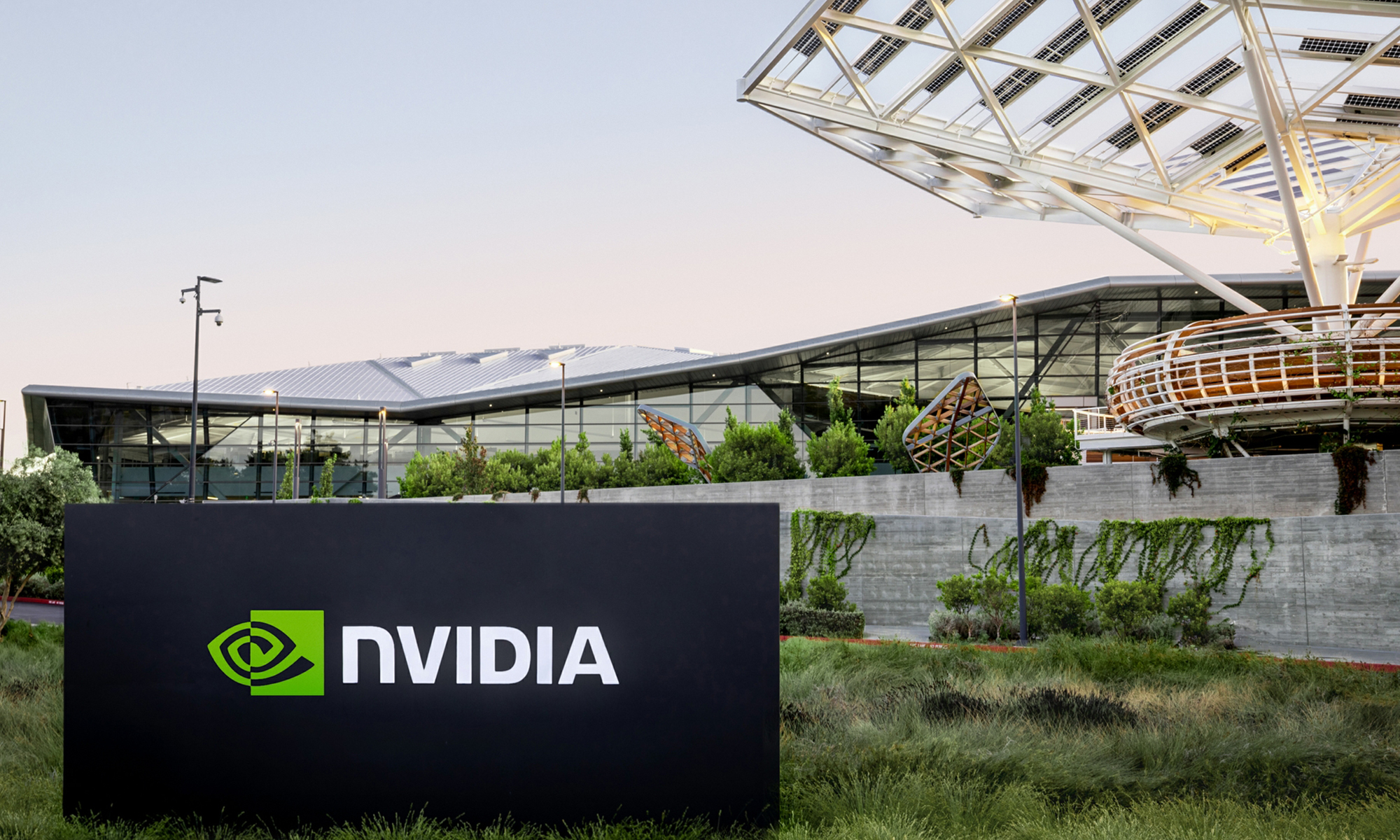
Image source: Getty Images.
An amazing growth story
Before answering that question, let's take a quick look at this amazing growth story. Nvidia, for a number of years, focused on selling GPUs to video gaming companies. But, when talk of AI started to circulate about a decade ago, Nvidia knew it could play a significant role and jumped on the opportunity. The company designed GPUs for this powerful new technology, building its reputation as an expert and leader in the field.
All of this fueled massive growth in revenue, with sales climbing in the double and triple digits as the AI boom advanced. Customers rushed to Nvidia for chips and related tools to power their large language models, and Nvidia, seeing the potential ahead, pledged to innovate on an annual basis to satisfy the need for speed and efficiency. This commitment to innovation is what has kept -- and should continue to keep -- Nvidia ahead of the rest.

NASDAQ: NVDA
Key Data Points
Now, let's take a look at our question: Could Nvidia become the first company to reach $10 trillion? To reach that level, Nvidia stock would have to climb 128% to about $411, which seems like a reasonable feat for this company over, say, a five-year period. (Nvidia soared 1,200% over the past five years.) But it's important to consider whether Nvidia's growth rate would support such a price.
Nvidia's price in relation to sales
We can gather clues by looking at Nvidia's price-to-sales ratio. Today, the company trades for 23x trailing 12-month sales, but over the past year, this ratio has most often been around 25 or even higher. Nvidia's sales reached $130 billion in the latest fiscal year, and analysts project levels of $213 billion for the current fiscal year and $316 for the next fiscal year (fiscal 2027). That suggests year-over-year growth of 63% in this fiscal year and 48% in the next fiscal year.
Now let's use the example of $400 billion in annual revenue by the end of the decade. This represents growth of only 27% from the fiscal 2027 projected figure -- a much lower growth rate than Nvidia has delivered in recent years. Nvidia could reach a $10 trillion market value in this example, because at this revenue level, the company's P/S ratio would be 25.
This means, mathematically, it's possible for Nvidia's market value to reach these levels. But does it have the business to fuel such revenue gains?
I'm optimistic, and here's why: Nvidia is the GPU market leader and is innovating to ensure its position. Meanwhile, we're now in a major stage of infrastructure ramp-up, meaning big cloud service providers are expanding data centers to accommodate soaring AI demand. And players like Meta Platforms, aiming to train models in-house and grow their own AI programs, also are turning directly to Nvidia for its products. In fact, Nvidia has predicted that AI infrastructure spending may reach as much as $4 trillion over the coming five years.
Nvidia, which already works closely with these deep-pocketed customers, may be one of the biggest winners of this movement. And all of this could shepherd this top AI company to yet another major milestone: $10 trillion in market value by 2030.