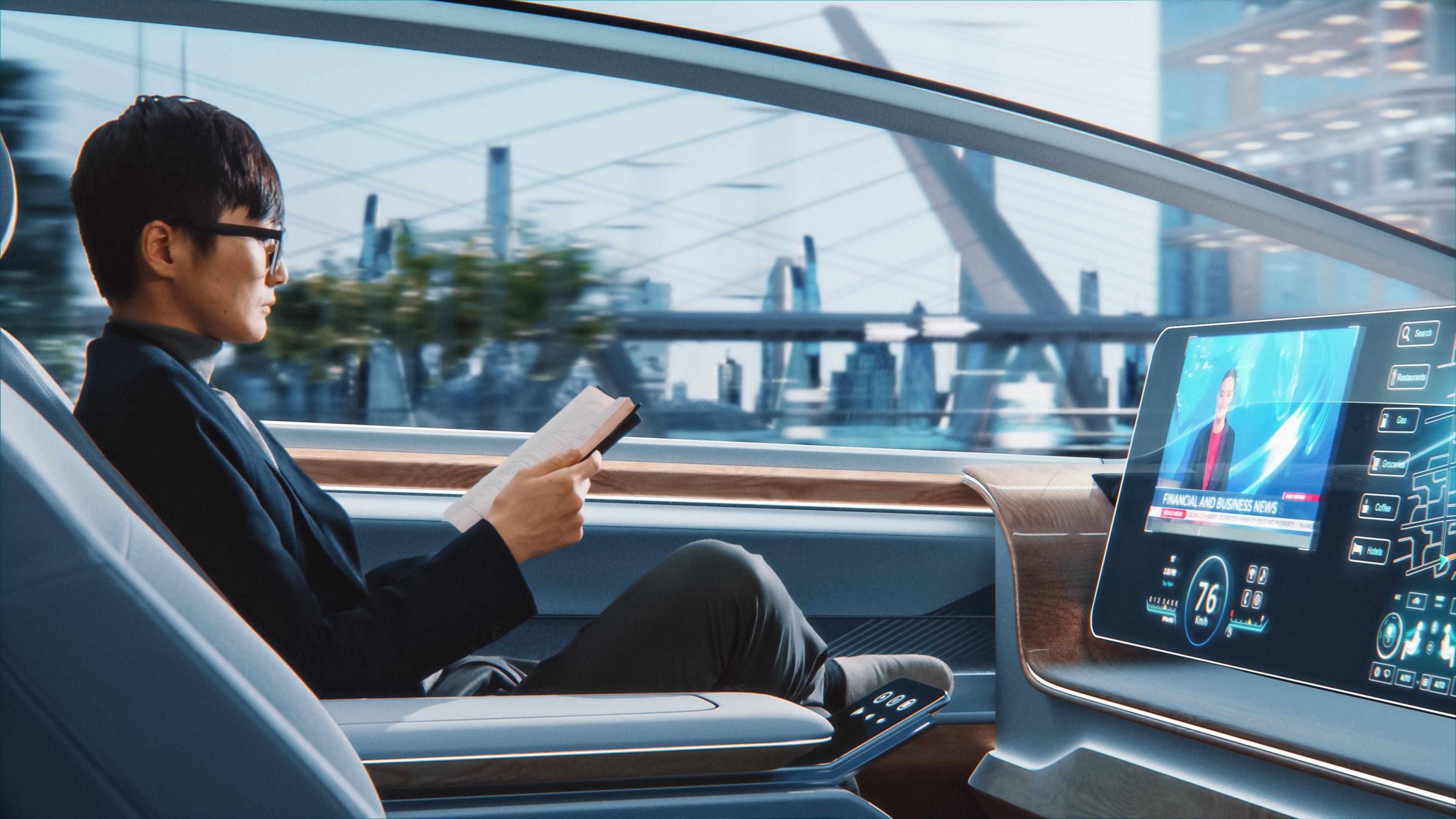
The automotive industry can very much be a copycat business when it comes to products and strategies. After Tesla's (TSLA +3.44%) innovations made electric vehicles (EVs) far more popular, legacy automakers weren't far behind in introducing their own. There's a similar phenomenon going on when it comes to the pursuit of autonomous driving technology: Many automakers seem to want in, including Nissan Motor (NSANY 0.69%).
But should Tesla shareholders be worried about Nissan's recent aggressive move to advance its autonomous driving technology?
What's going on?
Nissan has partnered with British autonomous driving software developer Wayve Technologies with the goal of advancing the progress of the automaker's ProPilot system. The general premise of the partnership is to integrate Nvidia-backed Wayve's self-learning artificial intelligence (AI) platform into Nissan's ProPilot.
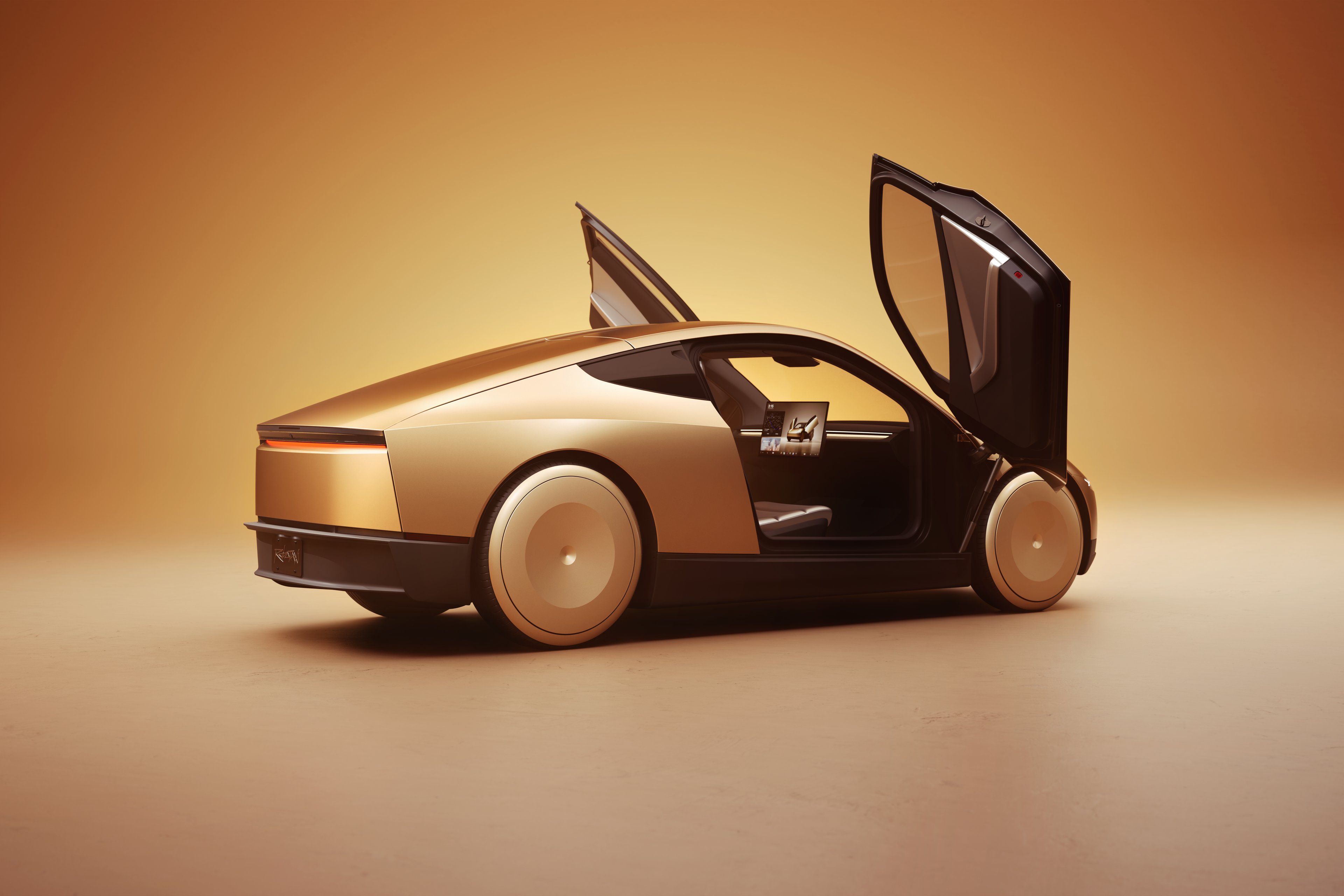
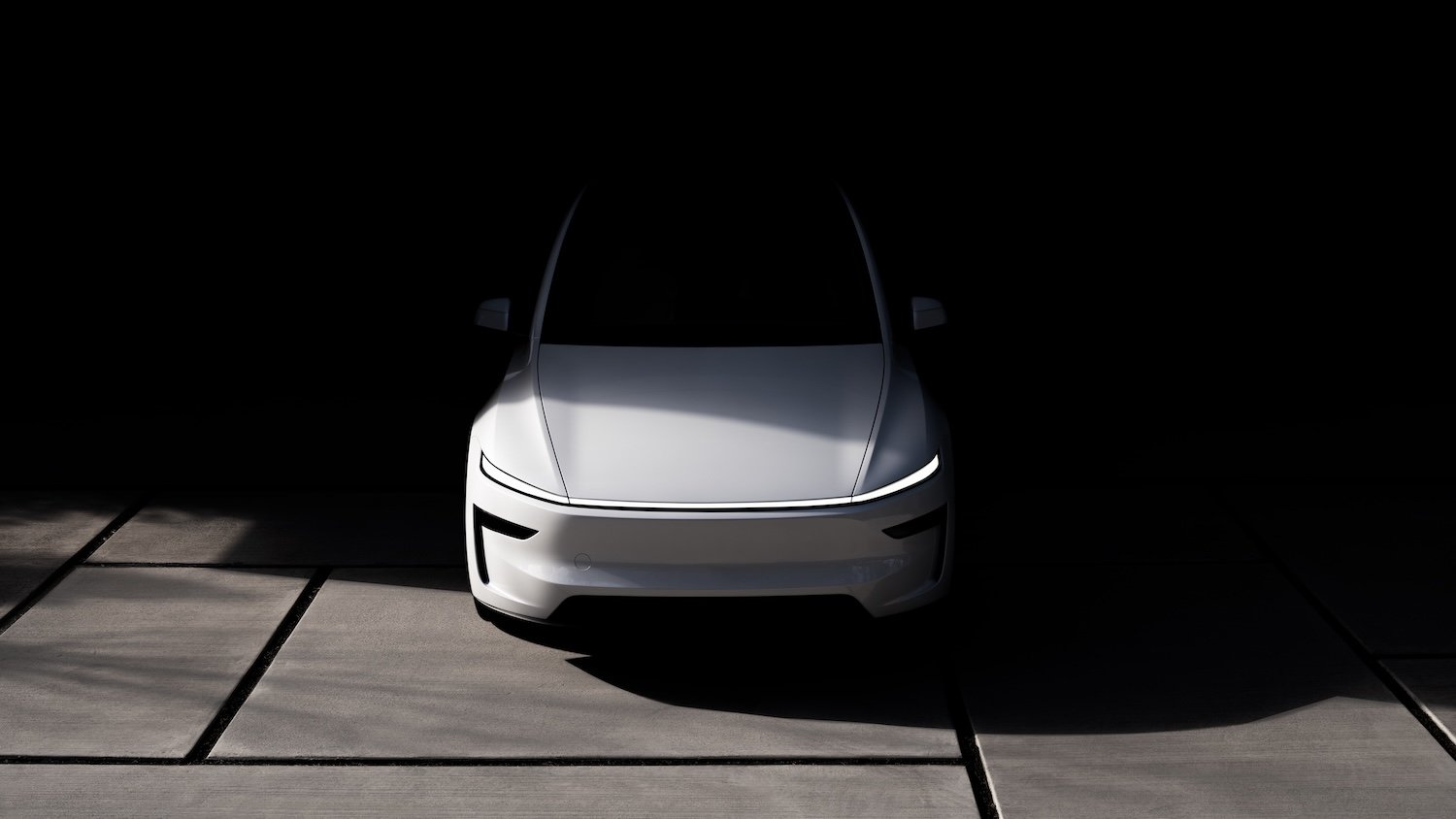
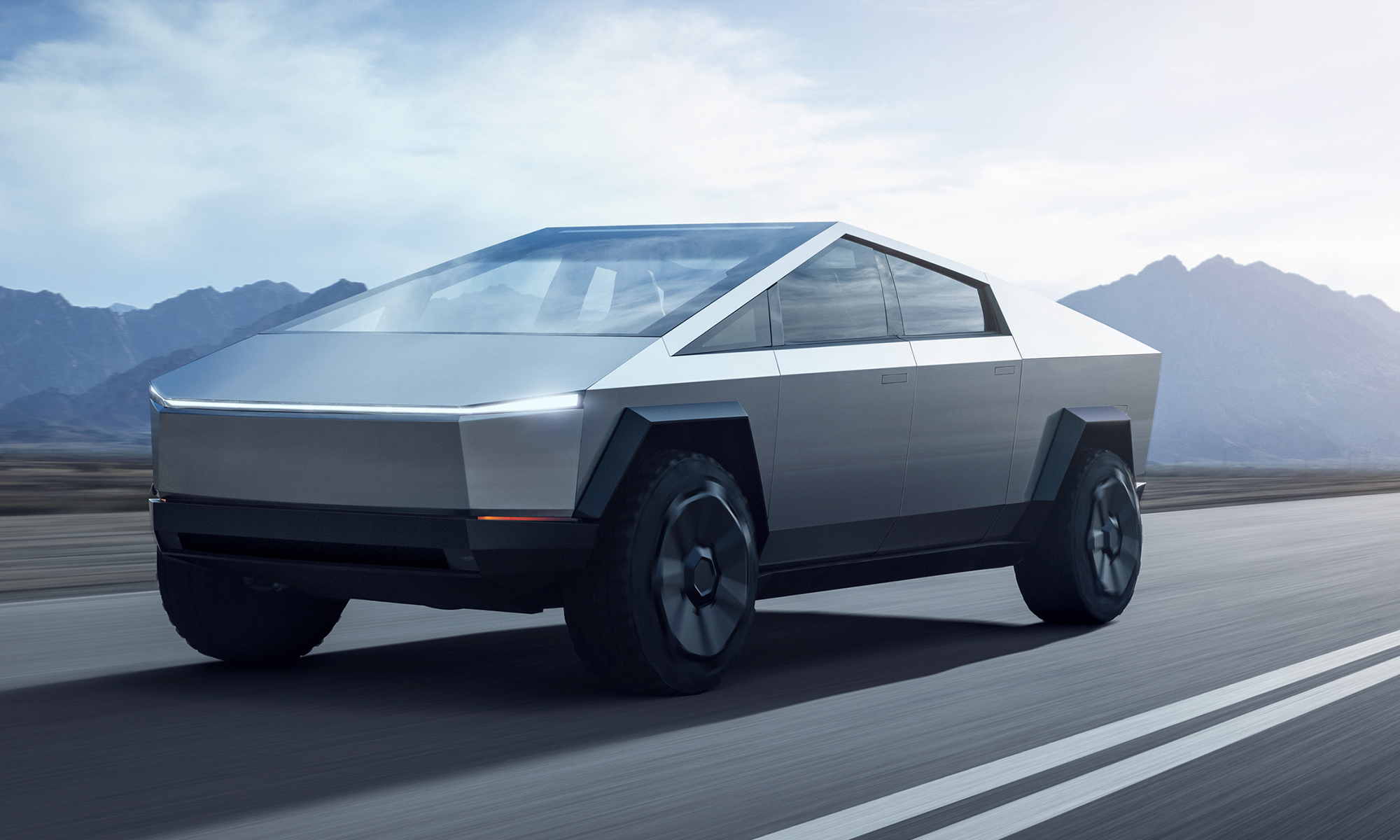
Tesla Cybercab. Image source: Tesla
Wayve's system relies solely on video cameras to feed information about a vehicle's surroundings to the AI. If that system sounds familiar, it should. That's because while many competitors are using various combinations of sensors, radar, lidar, and intense coding of driving rules, among other things, Tesla is also relying primarily on cameras to "show" its Full Self-Driving (FSD) system what's happening around the car.
According to Ponz Pandikuthira, chief product and planning officer for Nissan Americas, the next-generation ProPilot driver-assist system is "competitive with what you see in the latest Tesla."

OTC: NSANY
Key Data Points
Where Nissan decided to get particularly aggressive in its pursuit of Tesla is on price. Tesla currently charges its EV buyers $8,000 up front for full access to its Level 2 FSD system. Nissan intends to offer its system for less than half that.
This is where Wayve comes into the equation, as it claims its hardware setup costs about $1,000 to $2,000. For context, estimates of the cost of the self-driving hardware used by Alphabet's Waymo range from $30,000 to $100,000. Even if the true figure turns out to be at the low end of that estimated range, you can see why Wayve's setup would be a compelling alternative -- if it works well.
"Our goal is a camera-based system at a very affordable price point," Pandikuthira told Automotive News, "and eventually a lidar version that'll allow you to take a nap in the car when you drive."
Should Tesla investors worry?
Nissan intends to launch its next-generation ProPilot in early 2028, with less costly camera-and-radar vision setups. If it achieves its price target of around $4,000, it should be a compelling option for drivers in the near future.

NASDAQ: TSLA
Key Data Points
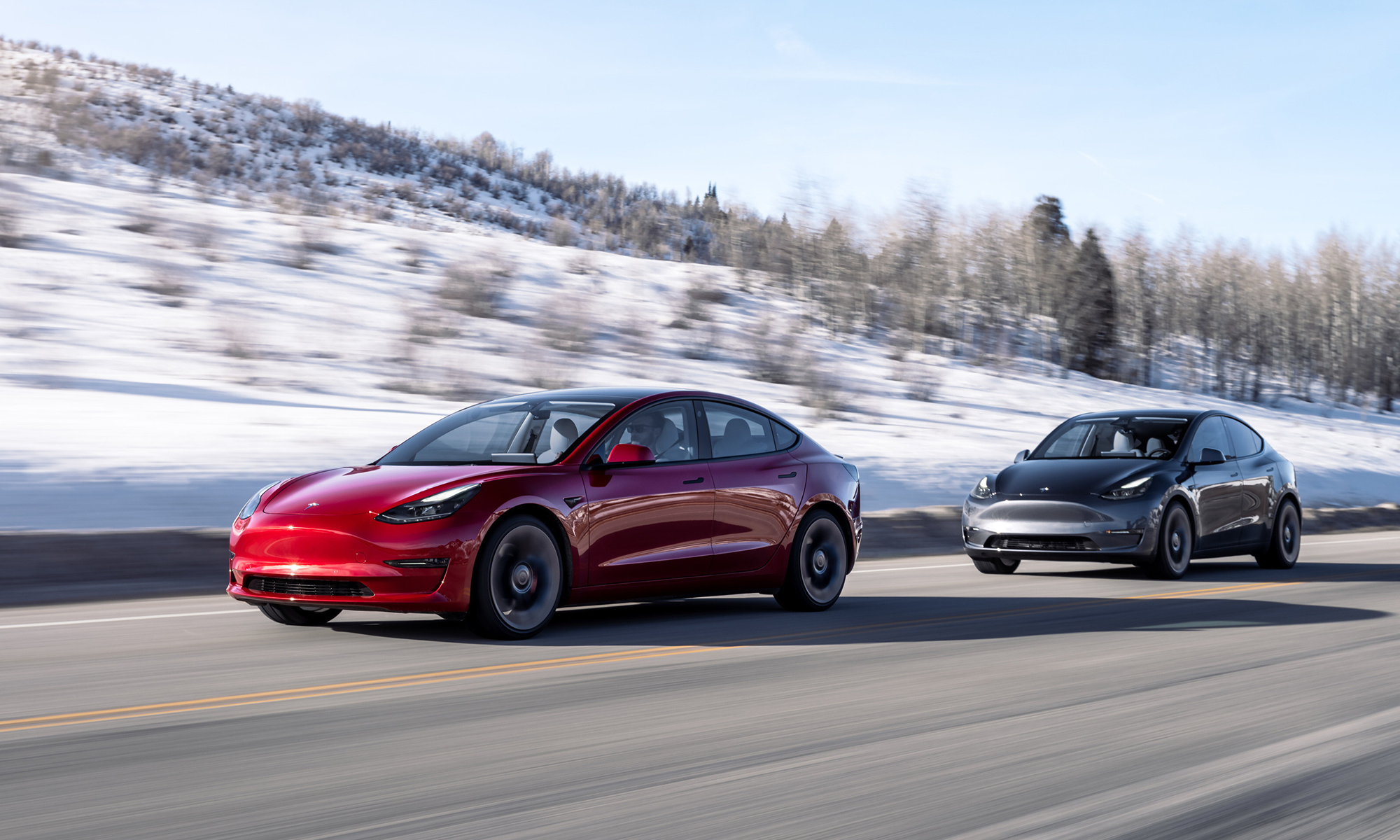
But Tesla already has a significant lead on this technology, and it's currently working to expand its autonomous robotaxi program beyond the couple of cities where it already operates. CEO Elon Musk also claimed last week that Tesla will be allowed to remove the human "safety monitors" from the robotaxis it's operating in Austin, Texas, by the end of this year. It is, however, worth noting that the EVs it's using as robotaxis today are modified Tesla Model Ys, not the Cybercabs it plans to produce.
Nissan also has its hands completely full with the here-and-now. Recently appointed CEO Ivan Espinosa acknowledges as much: "I think in the short term, the focus that we have is to fix ourselves," Espinosa said during an interview on CNBC's Squawk Box Europe.
Nissan is -- to put it kindly -- struggling with declining sales, its transition to a greater focus on EVs, and rising competition from Chinese rivals. And U.S. President Donald Trump's tariffs certainly haven't made Nissan's situation any easier. It wasn't all that long ago rumors were swirling about its possible merger with Honda, but negotiations broke down. Now, Nissan is shutting down plants, slashing jobs, and trying to find its identity.
Does that sound like an automaker prepared to accelerate to the head of the pack in the race toward one of the most complicated advancements the industry is pursuing?
Musk, meanwhile, has hinted that Tesla will have a new FSD model coming out in early 2026. That could leave Nissan even further behind technologically before it finds out if it can hit a competitive price point.
So, no, Tesla shareholders: While you do have plenty of things to worry about regarding the EV giant at the moment, Nissan's effort to bring cheaper (and similar) self-driving technology to market isn't one of them.