Joby Aviation (JOBY +0.98%), a developer of electric vertical take-off and landing (eVTOL) aircraft, hasn't generated any life-changing gains since its public debut four years ago. The company went public by merging with a special purpose acquisition company (SPAC), and it started trading at $10.62 per share. However, it now trades at approximately $13.
Joby, like many other SPAC-backed start-ups, overpromised and underdelivered. In its pre-merger presentation, the company predicted its revenue would jump from zero to $131 million in 2024, $721 million in 2025, and $2.05 billion in 2026. Yet, in 2024, it only generated $136,000 in revenue from a U.S. Air Force contract, incurring a net loss of $608 million.
That big miss was disappointing, but Joby still has an early mover's advantage in the nascent eVTOL market. If that market expands over the next few decades, it could generate a tenbagger gain (or more) as its eVTOL aircraft replace traditional helicopters.
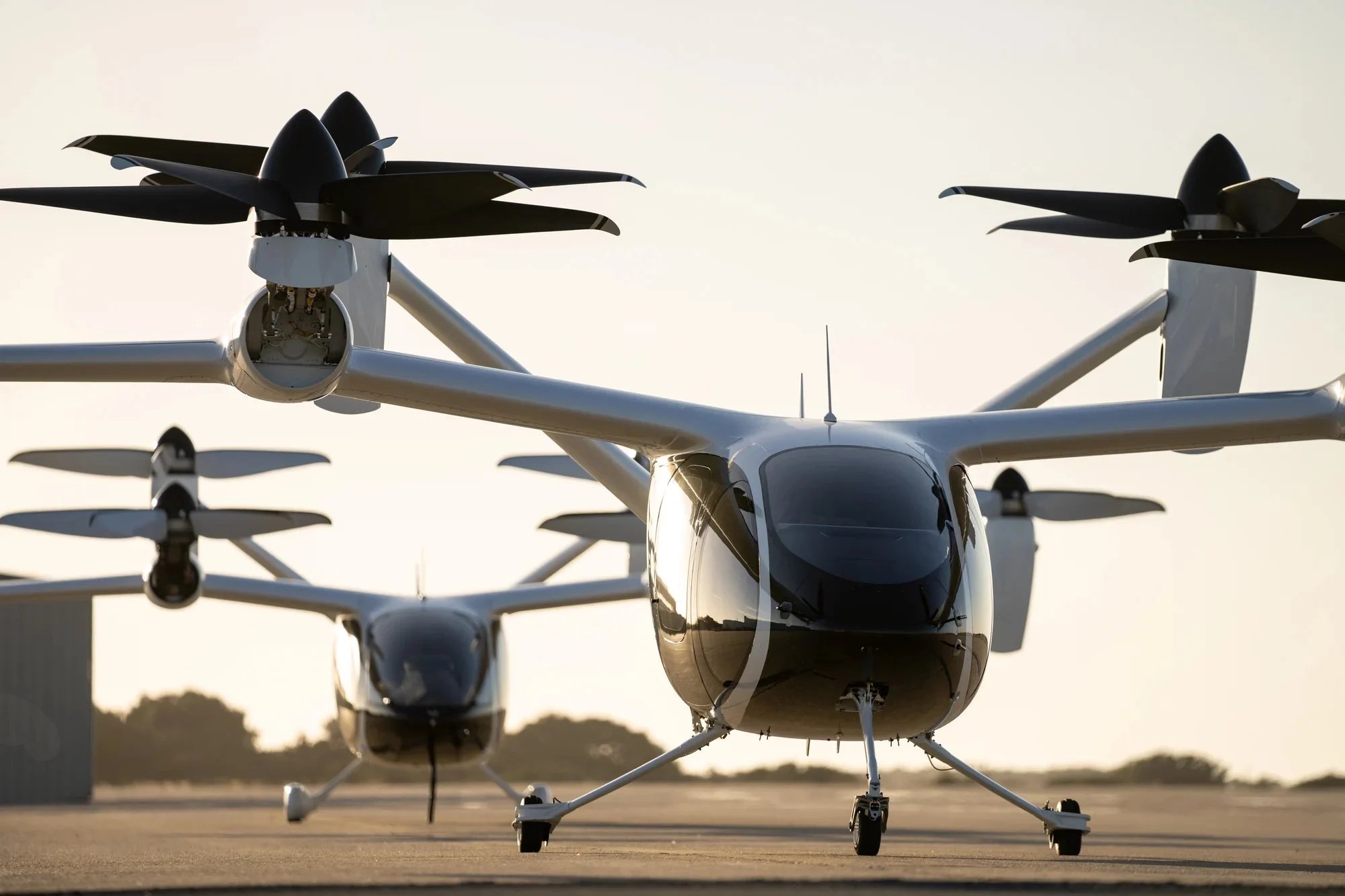
Image source: Joby Aviation.
What sets Joby apart from its competitors?
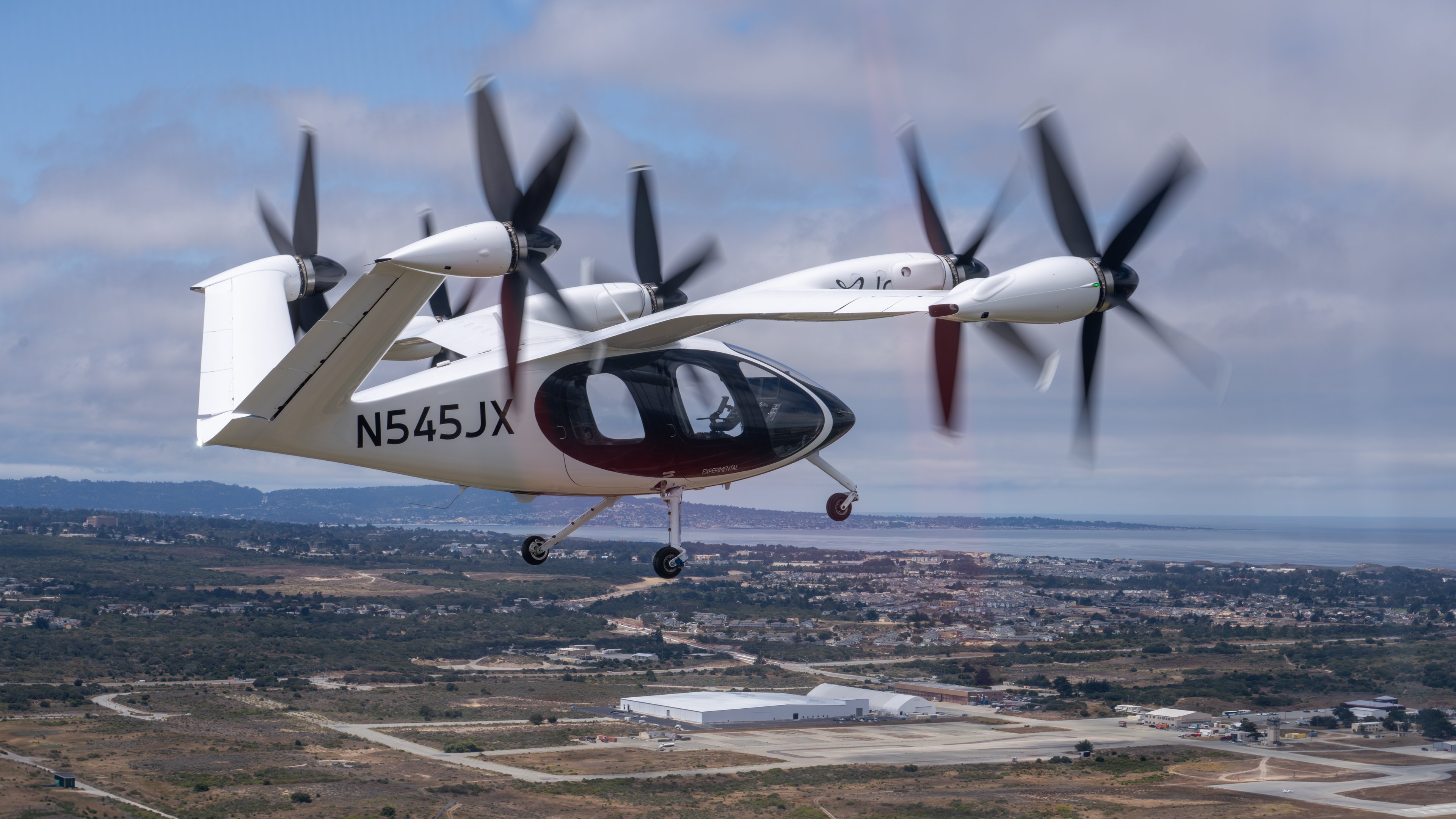
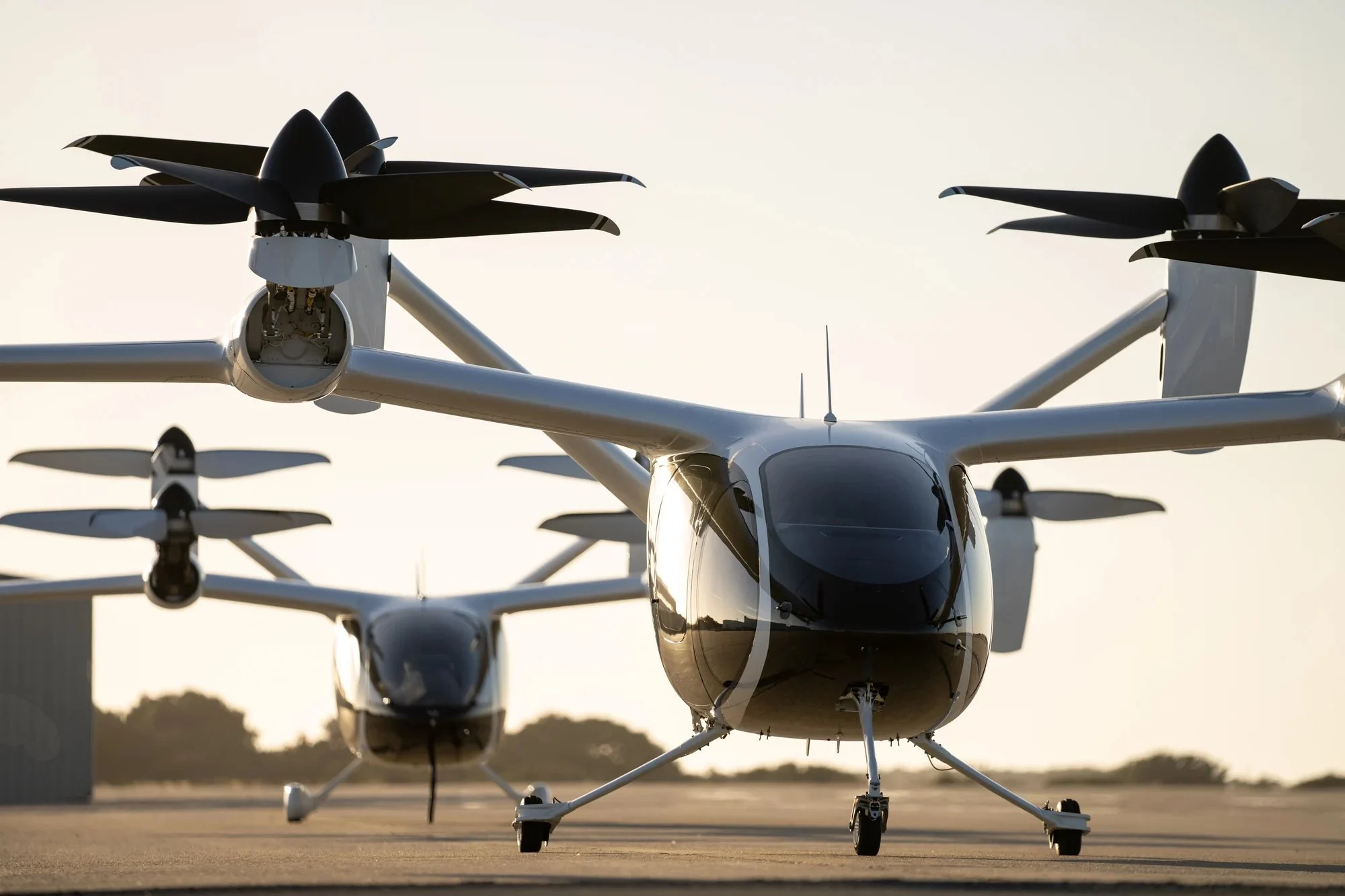
Joby's first eVTOL aircraft, the S4, carries a single pilot and four passengers. It can travel for up to 150 miles on a single charge and reach a maximum speed of 200 miles per hour. It's also developing a hydrogen-powered version, which can charge faster and travel five times farther. Joby operates a five-aircraft test fleet, including one hydrogen-powered prototype.
The S4's closest competitor, Archer Aviation's (ACHR +0.00%) Midnight, carries the same number of passengers but can only travel 100 miles on a single charge, with a maximum speed of 150 miles per hour. The S4 is faster and more energy-efficient than the Midnight because it uses tilt-rotor propellers, which rotate between lifting and cruising modes. The Midnight is heavier and less energy-efficient because it uses separate propellers for lifting and cruising.

NYSE: JOBY
Key Data Points
Joby holds a $131 million contract with the U.S. Department of Defense (DOD) to deliver up to nine eVTOL aircraft to the U.S. Air Force. It has delivered the first two aircraft for the contract so far and also delivered one test aircraft in Dubai ahead of its planned air taxi service in 2026. It also completed a growing number of test flights across the U.A.E., South Korea, and Japan.
Joby's business is still in its infancy, but it has already attracted significant backing from major investors and prominent customers, including Toyota (TM 0.39%) and Delta Air Lines (DAL 1.28%). Joby also acquired Uber's (UBER +0.56%) Elevate aerial ride-hailing division in 2020 and Blade's passenger helicopter-hailing service in Aug. 2025.
Those acquisitions will support its future eVTOL air taxi services. Uber plans to integrate Joby's S4 flights into its core app, and Delta is working with Uber and Joby to launch its first S4 air taxi routes in New York and Los Angeles. Those plans sound promising, but they hinge on the Federal Aviation Administration's (FAA) full approval of its commercial flights.
How rapidly could Joby grow over the next few decades?
Joby anticipates that the FAA will fully approve its first commercial flights in the U.S. in 2026. It also aims to launch its first air taxi flights in Dubai during the year.
Assuming it crosses those milestones, analysts expect Joby's revenue to rise to $40 million in 2025, $113 million in 2026, and $207 million in 2027. With a market capitalization of $12.7 billion, Joby's stock might already look expensive at 61 times its 2027 sales.
Yet by 2045, there could be 30,000 eVTOLs carrying three billion passengers globally, according to Eve Air Mobility's (EVEX 3.00%) recent Global Market Outlook. That growth trajectory assumes eVTOLs will replace traditional helicopters for short-range trips.
Joby doesn't publicize the S4's price tag, but most analysts estimate each aircraft costs about $1.3 million. If it captures a third of the eVTOL market by 2045 and sells 10,000 eVTOLs per year, it could generate about $13 billion in annual revenue. Even if those market prices decline as the industry matures, it could still generate $10 billion in yearly revenue at $1 million per eVTOL.
If Joby generates $10 billion in revenue by 2045 and trades at 13 times sales, its market cap would rise tenfold to $130 billion. If it dominates the market and sells even more eVTOLs, its market cap could soar even higher. Although Joby is a speculative stock today, it could be a potential multibagger for patient long-term investors.