Yeti Holdings (YETI 3.47%) barely beat the S&P 500 in 2025 with an 18% gain, but sluggish revenue growth makes a repeat performance less likely for the outdoor recreational product provider.
A 35% decline over the past five years justifies caution by investors, but there is another outdoor stock that should do well in 2026.
Deckers Outdoor (DECK 1.52%), the parent company of Hoka and Ugg, looks due for a rebound after losing almost half of its value in 2025. Shares have more than doubled over the past five years, demonstrating what is possible once this stock gains momentum. These are some of the reasons that Hoka's parent company can stage a comeback in 2026 and be a better pick than Yeti Holdings.
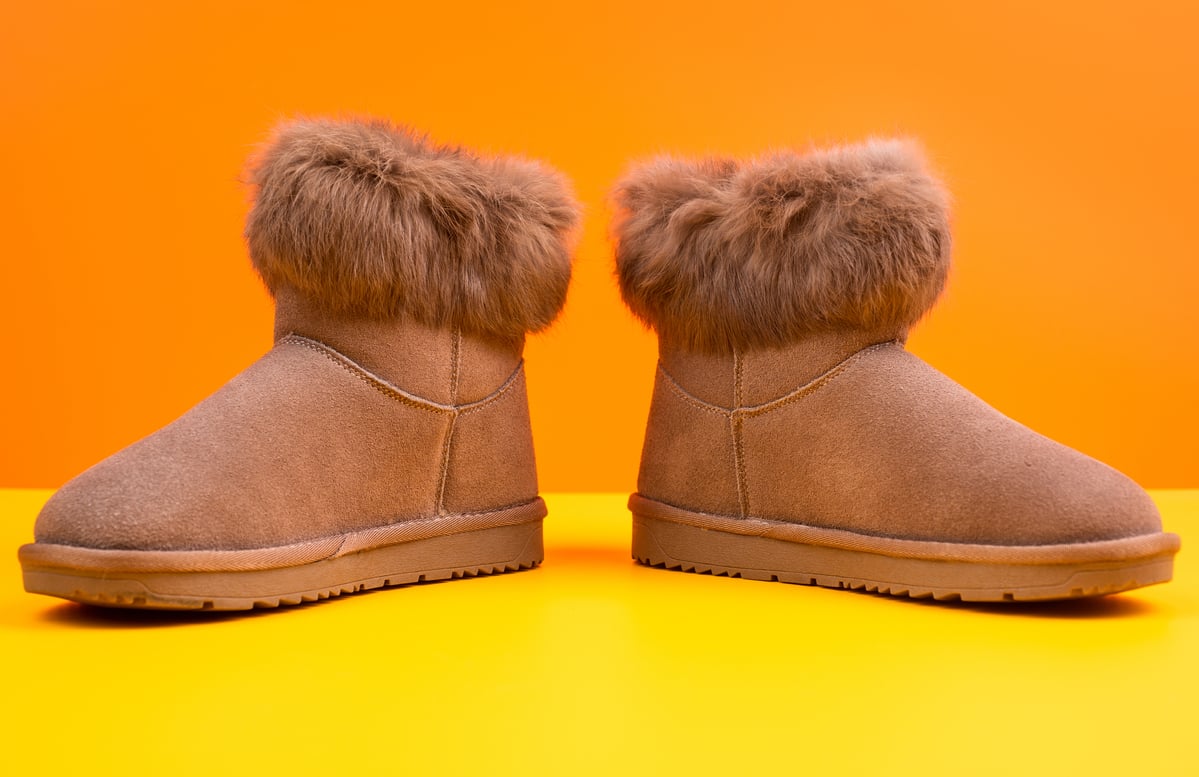
Image source: Getty Images.
The valuation is too good to ignore
Deckers Outdoor got a little ahead of itself in 2024 and tumbled hard in 2025, but now, the stock looks like a bargain. It trades at a 15.4 price-to-earnings (P/E) ratio, despite posting steady revenue and net income growth rates.

NYSE: DECK
Key Data Points
Hoka and Ugg sales both achieved double-digit year-over-year growth rates in second-quarter of the company's fiscal year 2026, while net income jumped by 11% year over year. Deckers Outdoor's net profit margin almost exceeded 20% in the quarter.
Deckers Outdoor had higher revenue growth rates in previous years, so it makes sense that the stock declined in 2025. However, the drop may have been a bit overdramatic. For instance, Nike has a much higher 36 P/E ratio, despite posting lower year-over-year revenue and net income growth rates.
Hoka's parent company is valued attractively, especially when compared to Yeti Holdings, which also has a higher P/E ratio despite lower growth rates. Yeti Holdings also has thinner profit margins than Deckers Outdoor.
International sales are a major growth engine
Deckers Outdoor investors couldn't have been too pleased about domestic sales dropping by 1.7% year over year in Q2 FY26. However, the company compensated by delivering a substantial 29.3% year-over-year improvement in international net sales.
International growth is becoming a larger segment of total revenue, and if growth rates remain elevated for global customers, it can translate into higher overall revenue growth.
Strong appeal from global customers can buoy growth amid tariffs. If tariffs ease, Deckers Outdoor may find itself in a position to boost domestic sales. Year-over-year revenue growth can accelerate quickly if domestic markets gain momentum. However, the recent earnings results show that Hoka's parent company is dominating global markets and gaining market share.
Yeti Holdings also posted lower year-over-year U.S. sales and 14% year-over-year revenue growth in international markets. However, international sales don't affect Yeti Holdings as much, since that part of the business is a smaller slice of the pie than Deckers Outdoor's international revenue.