Over the past few decades, there's been a paradigm shift in how audiences consume entertainment. Many viewers have abandoned broadcast and cable TV in favor of streaming services. This shift has coincided with a secular decline in movie theater ticket sales.
Leading the charge has been Netflix (NFLX +1.71%). The streaming giant reported over 300 million global subscribers to close out 2024, although the company no longer provides updates on its subscription data. The company's insistence on shorter theatrical windows and "day-and-date" -- the practice of releasing movies to its vast streaming audience on the same day its movies hit cinemas -- caused a long-standing rift between Netflix and cinema operators.
AMC Entertainment Holdings (AMC +3.00%), the world's largest theater chain, opposed these practices, and CEO Adam Aron has long been one of Netflix's most vocal opponents. However, the past few months have seen a warming of relations, and a couple of successful collaborations suggest the tide has turned.
Let's examine what led to this change of heart and whether it bodes well for the pair in 2026 and beyond.
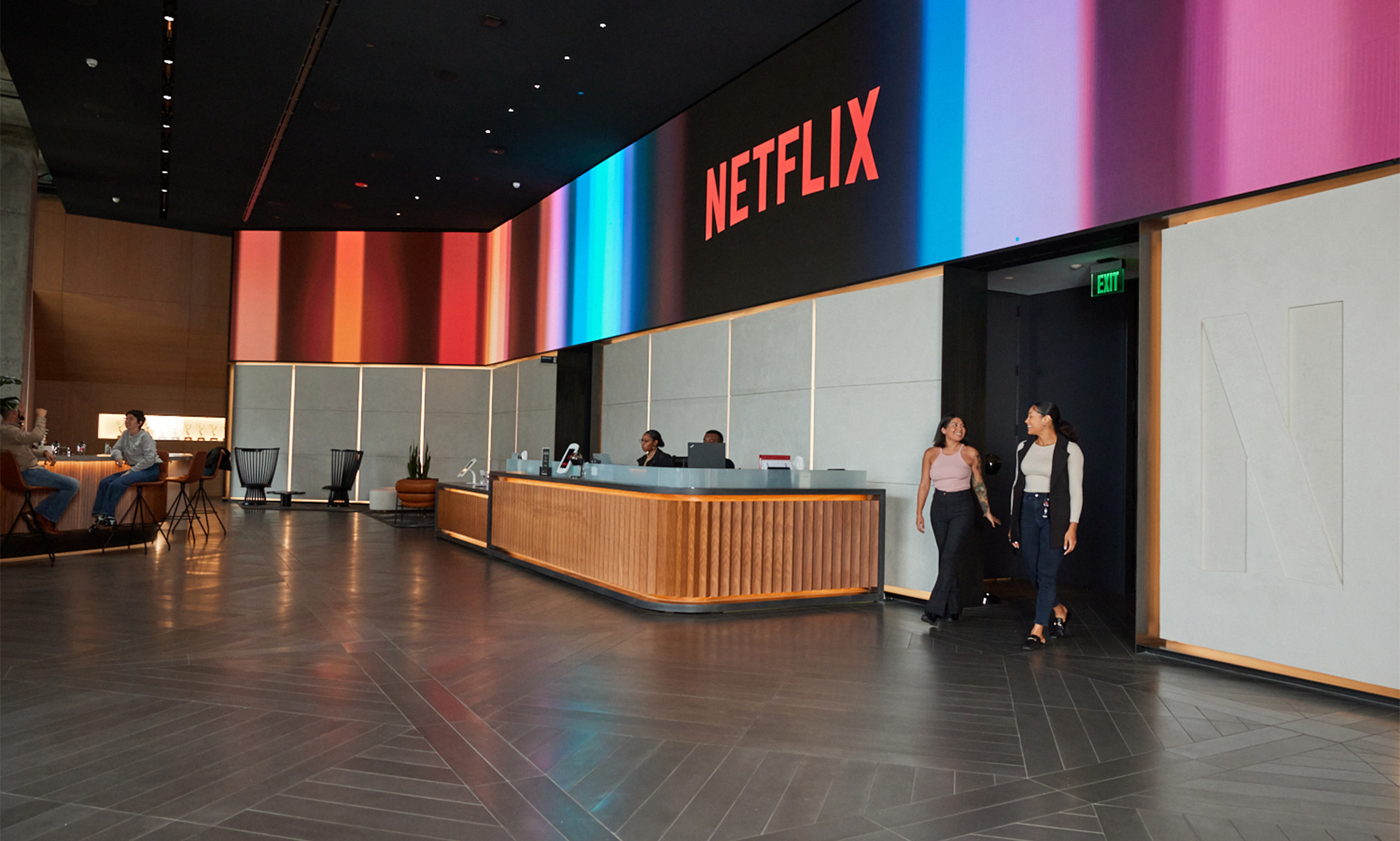
Image source: Netflix.
A meeting of titans
Late last year, executives from Netflix and AMC held a "high-level dialogue" aimed at finding common ground and ways for the companies to work together for their mutual benefit.
KPop Demon Hunters seemed like a good place to start. The Netflix original was already a global sensation, quickly becoming the streamer's most-watched animated movie before ultimately nabbing the title of Netflix's most popular film ever. It had spawned a Billboard No. 1 hit and become the first soundtrack ever with four simultaneous top-10 songs on the Billboard Hot 100.
Netflix had already engineered the highly successful KPop Demon Hunters Sing-Along theatrical event, which sold out more than 1,300 theaters during a special one-weekend event in August, reaching No. 1 at the box office. AMC joined in the festivities during a special Halloween rerelease, capturing more than 35% of all the attendance during that holiday weekend.
On the heels of that success, Netflix and AMC joined forces again to capture the zeitgeist of the streaming giant's global hit Stranger Things. AMC showed the series finale in 231 U.S. theaters, and to say the venture was a success would be an understatement. The event attracted more than 753,000 viewers to AMC cinemas, accounting for roughly half of all moviegoers for the Stranger Things event.

NYSE: AMC
Key Data Points
Demand was so high that AMC ended up with "nine times the available seating capacity allocated to Stranger Things than was originally envisioned," as it "repeatedly and exponentially added thousands of additional showtimes," according to a statement.
On the heels of this success, Netflix and AMC are looking for "more enticing projects ... in 2026 and beyond." Aron went on to say, "AMC remains committed to seeking mutually beneficial opportunities to join Netflix's award-winning content with the superb theatrical experience offered day in and day out by AMC Theatres."
The dawn of a new era?
While the success of these events is undeniable, several unresolved issues remain. AMC remains committed to the industry standard 45-day theatrical window, while Netflix continues to push for a shorter 17-day window. This divide was the biggest contributor to the rift in the first place, highlighting the differing priorities of the two companies. AMC is interested in filling seats, while Netflix wants its customers to renew their subscription every month, so it's unlikely the two will meet in the middle.
Indeed, Netflix co-CEO Ted Sarandos have previously said, "Driving folks to a theater is just not our business." Some industry insiders have described the Stranger Things event as "something of an olive branch" to movie theaters, in light of its bid to buy certain assets from Warner Bros. Discovery.

NASDAQ: NFLX
Key Data Points
Some theater owners fear that if Netflix acquires Warner Bros., it will shorten the theatrical window to 17 days across the board, dealing a blow to the industry as a whole. In a statement, Netflix said (emphasis mine):
There's been a lot of talk about theatrical distribution, so we want to set the record straight: we are 100% committed to releasing Warner Bros. films in theaters with industry-standard windows. While this hasn't been part of our business model until now, we are looking forward to bringing this expertise from Warner Bros. to Netflix.
So, is the warming relationship between Netflix and AMC a game changer? Based on the available evidence, I'd have to say no. The vastly different business strategies and secular trends will keep them at odds.
While it's good to see these titans working together, I don't see the big picture changing any time soon. While that's good news for Netflix investors, challenges remain for AMC.