As artificial intelligence (AI) innovation accelerates, Nvidia (NVDA +0.99%) is stepping up its progress. It made several important announcements recently, bringing out new technology and solidifying its position as the dominant player in AI infrastructure.
Investors who invested $10,000 in Nvidia a few years ago have been well rewarded, and if they invested early enough, they're millionaires today. But can $10,000 invested in Nvidia stock still make you a millionaire?

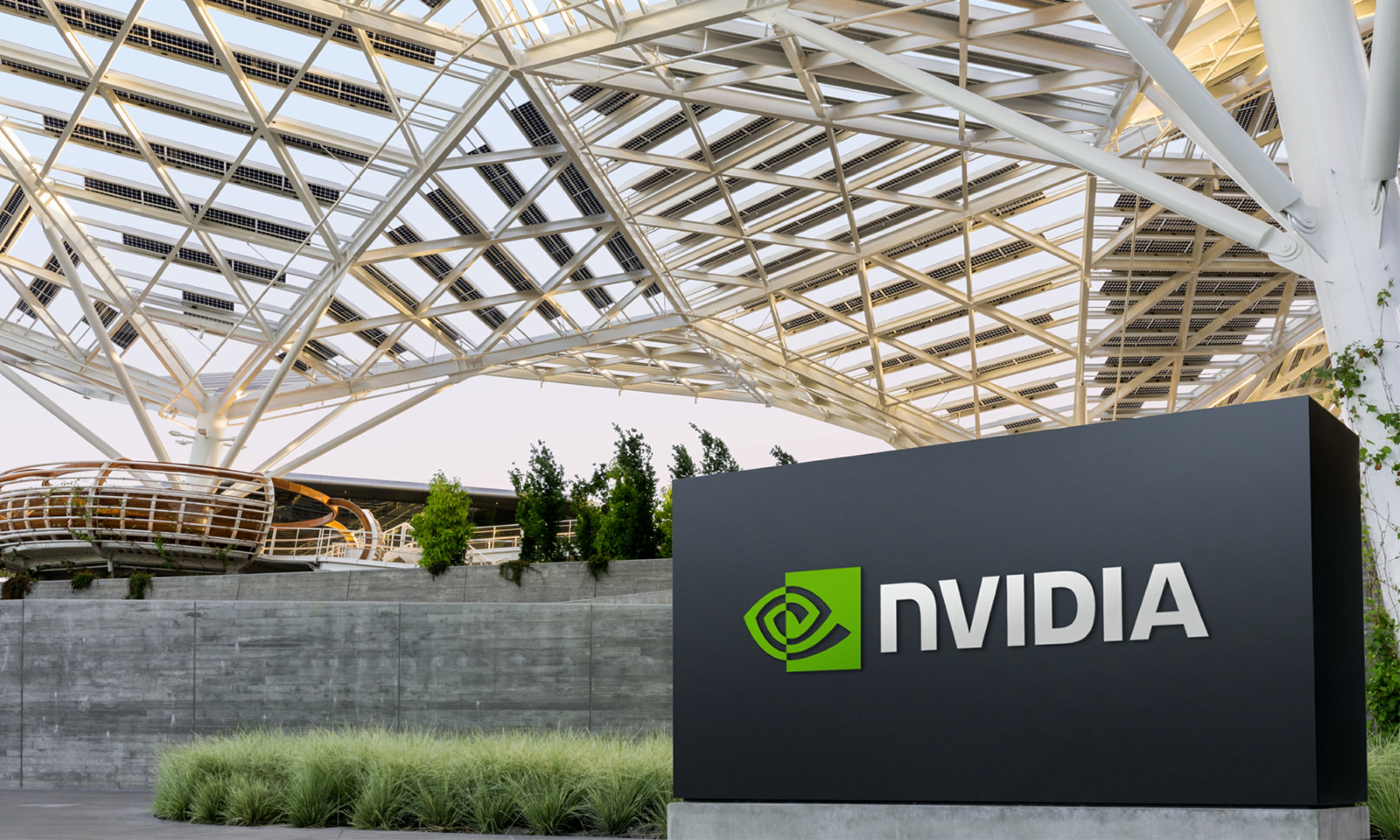
Image source: Nvidia.
Underpinning AI development
Nvidia is known for its graphics processing units (GPUs), the semiconductors that drive generative AI. However, it's increasingly producing vertically stacked AI products that are more powerful and bring clients deeper into its ecosystem.
Management had announced the newest line of products, Vera Rubin, several months ago. However, at the tech industry's biggest annual trade show in Las Vegas last week, CEO Jensen Huang provided a detailed look at what it is. He described it as the company's "first extreme-codesigned, six‑chip AI platform," meaning it uses many interconnected parts that run efficiently to accelerate and lower the costs of inference and training. This platform is useful for data centers, which are the company's biggest growth driver today, and it's where the greatest AI development is happening.
He also spoke about several other new programs and products in the works, including open models that serve different fields, singling out Alpamayo, an open-source model to drive AI progress in autonomous vehicles.
Nvidia has relationships with most of the big tech companies, specifically hyperscalers like Microsoft and Amazon, and they rely on its power to drive their ambitions in AI. As Nvidia releases more of these vertical product lines that all work together, these clients are likely to increase their engagement with Nvidia products, creating higher barriers to entry for potential competitors.
Can Nvidia keep up its growth?
The market is somewhat concerned about how long Nvidia can keep up its fantastic growth, which is one of the reasons the stock has been roughly flat over the past few months despite gaining 1,000% over the past three years.
So far, it has consistently delivered incredible performance. In the 2026 fiscal third quarter (ended Oct. 26), revenue increased 66% year over year, which is really an impressive feat for any company. Gross margin was a high 73.4%, and earnings per share were $1.30, up from $1.08 last year.
Nvidia reports 2026 fiscal fourth-quarter earnings on Feb. 25. Although there could be plenty of reasons the stock moves before that, investors are likely waiting to hear about the next update before deciding to push the stock higher or lower.

NASDAQ: NVDA
Key Data Points
$10,000 to $1 million is a massive gain
If you had invested $10,000 in Nvidia stock 10 years ago, you'd have $2.5 million today, or a 25,300% gain. Turning $10,000 into $1 million is a 10,000% gain, and it's a rare stock that can achieve that, even over a long period of time.
Nvidia is still growing quickly, but it's already a large company, and maintaining high growth over an increasingly large base will become more challenging. For example, if it could maintain a compound annual growth rate (CAGR) of 50% over the next 10 years, it would surpass $10 trillion in sales.
Even in that fantastical scenario, though, the total at the end of the decade would be only 5 times higher than today's. And even if you cut the price-to-sales ratio in half from today's 24 to 12, you wouldn't get anywhere near a 10,000% gain for the stock. Even over a longer period of time, it seems highly unrealistic.
At this point in its journey, I wouldn't expect Nvidia to be your ticket to millionaire status from a $10,000 investment. However, it's likely to grow as it drives AI development and protects its moat, and it can serve other worthy purposes in a well-diversified portfolio.