Lucid (LCID 7.49%) is something of an "also-ran" stock. It came public after Tesla (TSLA 2.97%) basically created the electric vehicle (EV) market. This is a frequent trend on Wall Street, so it's hard to blame Lucid for striking while the iron was hot. However, that doesn't mean that it's a good EV option for investors. Here's what you need to know before you consider buying Lucid.
The Wall Street pile-on
When a new trend, technology, or fad comes along, there's usually a company at the center that's making huge news. Often, the company is also making huge profits. Wall Street sees the interest and goes to work, trying to find ways to sate the desire among investors for a way to invest in the hot theme.

Image source: Getty Images.
At the turn of the century, companies were talking about their dot-com bona fides. Technology initial public offerings (IPOs) frequently skyrocketed on the first day of trading. Companies are eager to be involved because it allows them to quickly and easily raise money in the capital markets. Since the dot-com era, companies have increasingly gone public while they were still in the start-up phase of their development.
That's basically what Lucid has done. It held its IPO when investors were enamored of electric car companies, following Tesla's success. At the time, Lucid was still a money-losing business trying to get its first vehicles on the road. Lucid has achieved significant milestones since then, but it's still a money-losing business, and only more aggressive investors should buy it.
Lucid is quickly ramping up production
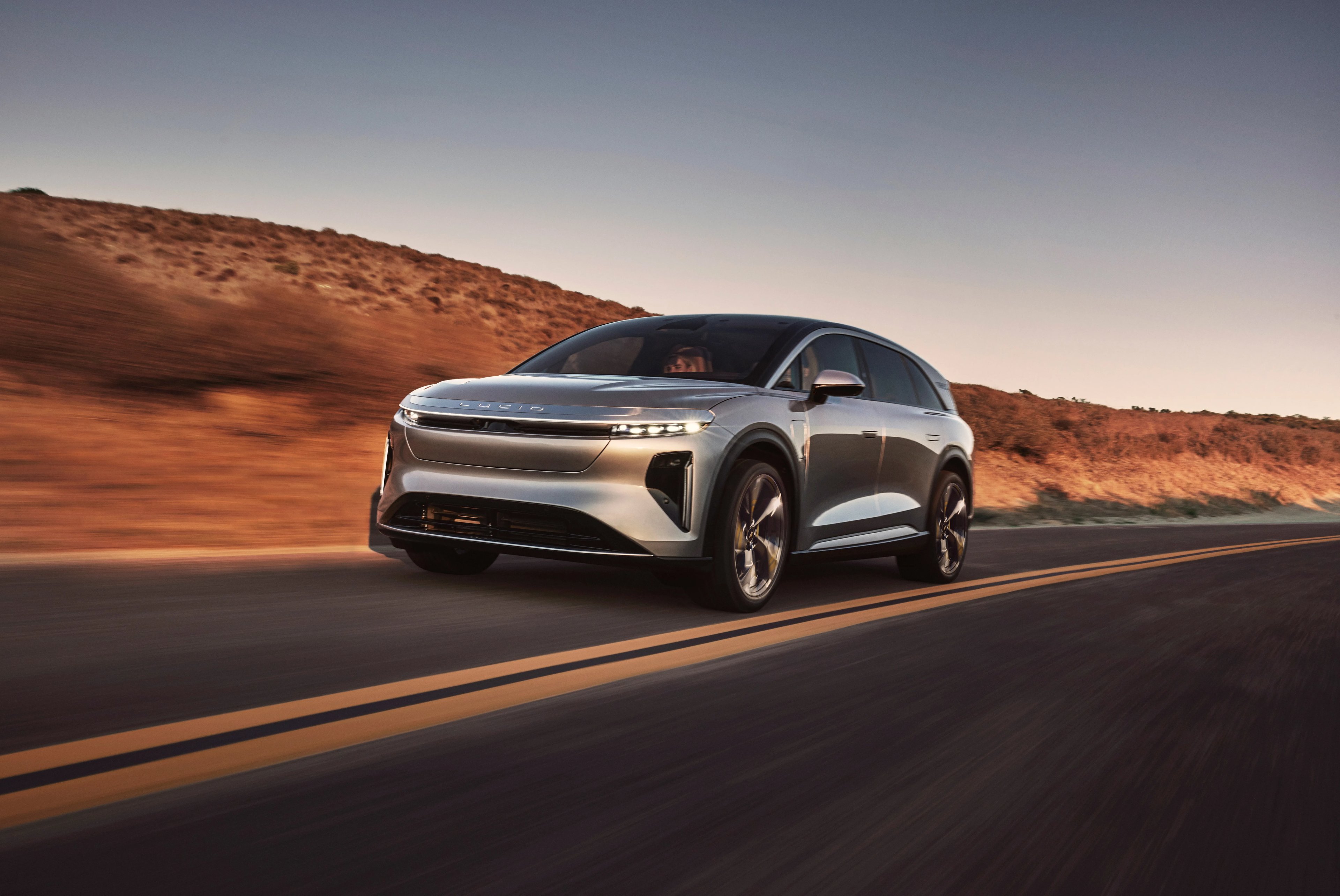
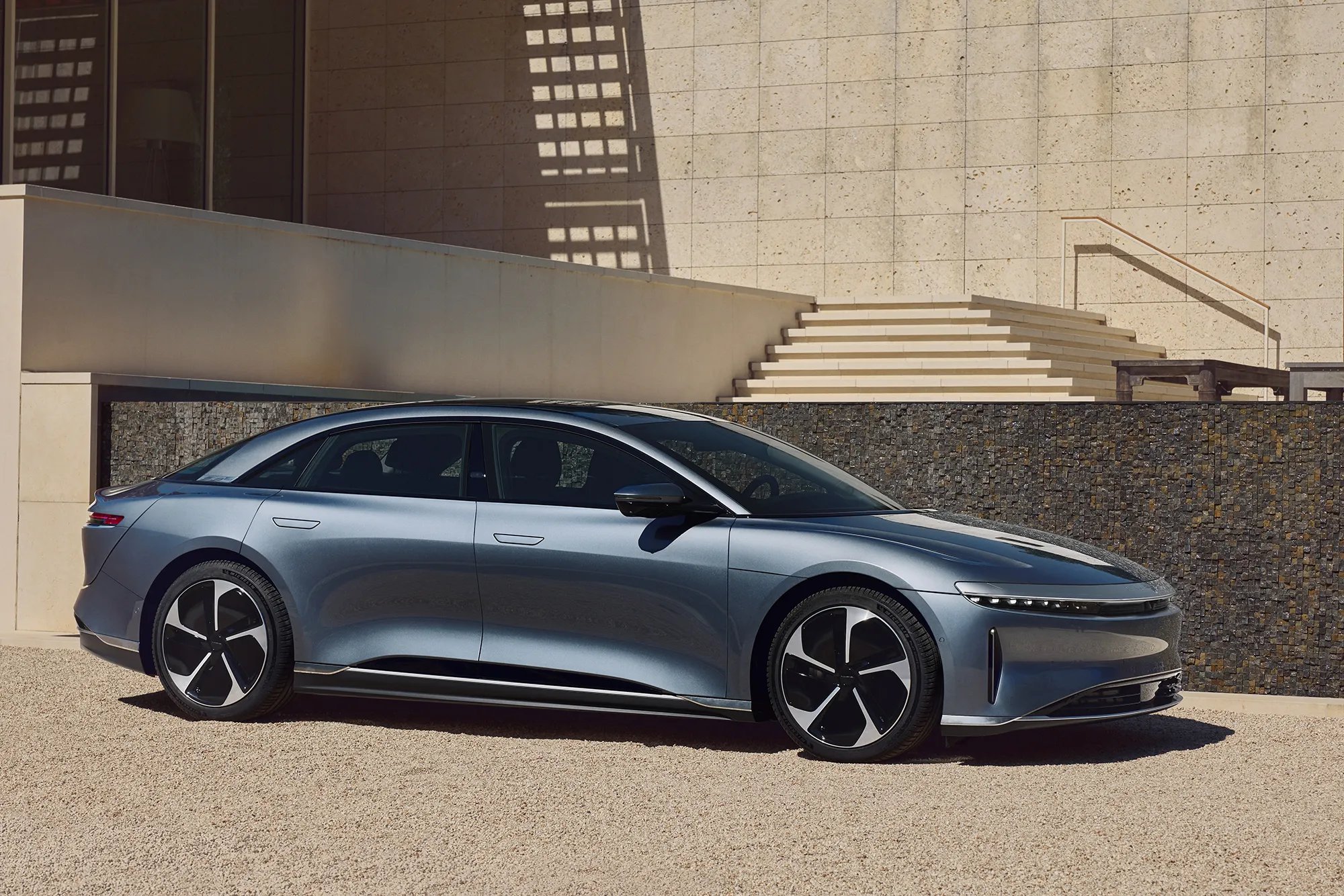
Lucid makes award-winning vehicles, and its battery technology is industry-leading. There are very notable positives to point to as the company looks to break into the highly competitive auto sector. However, the EV landscape has changed dramatically since Tesla used the same technology to become one of the most important automakers in the world.
At this point, every major auto company has EVs in its lineup, and there are several large EV companies, like Tesla, in the niche as well. It's much harder to differentiate from the pack. In other words, Lucid has an uphill climb ahead of it.
That's complicated by the fact that Lucid's production is very low. Even though Lucid's production increased roughly 100% year over year in 2025, it still only made around 18,000 vehicles. That's an impressive increase percentage-wise, but Tesla produced 1.65 million EVs in 2025. Lucid's production is a rounding error compared to that.

NASDAQ: LCID
Key Data Points
Worryingly, Lucid recently enacted a reverse stock split. That's something companies normally do when they're at risk of being delisted from a stock exchange. Being delisted is very bad for a business because it limits a company's ability to tap the capital markets for cash. Given that money-losing Lucid is still making huge capital investments in its business, it continues to need access to capital even as the stock keeps heading lower and lower.
When you step back and look at the big picture, Lucid is very clearly a high-risk investment. Despite the successes the company has had, it isn't at all clear that it can build a business that can compete with its larger auto peers.
Best kept on the watchlist
If Lucid can keep hitting key milestones, including on both the production and product development fronts, it could be a big winner for investors. However, the risk-versus-reward balance is still weighted toward risk. For all but the most aggressive growth investors, it's probably best to wait for Lucid to hit additional development milestones before you consider buying it.