Robotaxis may very well be the future of transportation, but there's one critical problem that must be solved first. Goldman Sachs estimates that the current generation of robotaxis in service today requires one remote operator for every three cars. Remote operators are required to rescue robotaxis from situations the onboard AI can't handle. A December incident in San Francisco, where Waymo robotaxis snarled traffic after a power outage disabled traffic signals, is a reminder that robotaxis still have a long way to go.
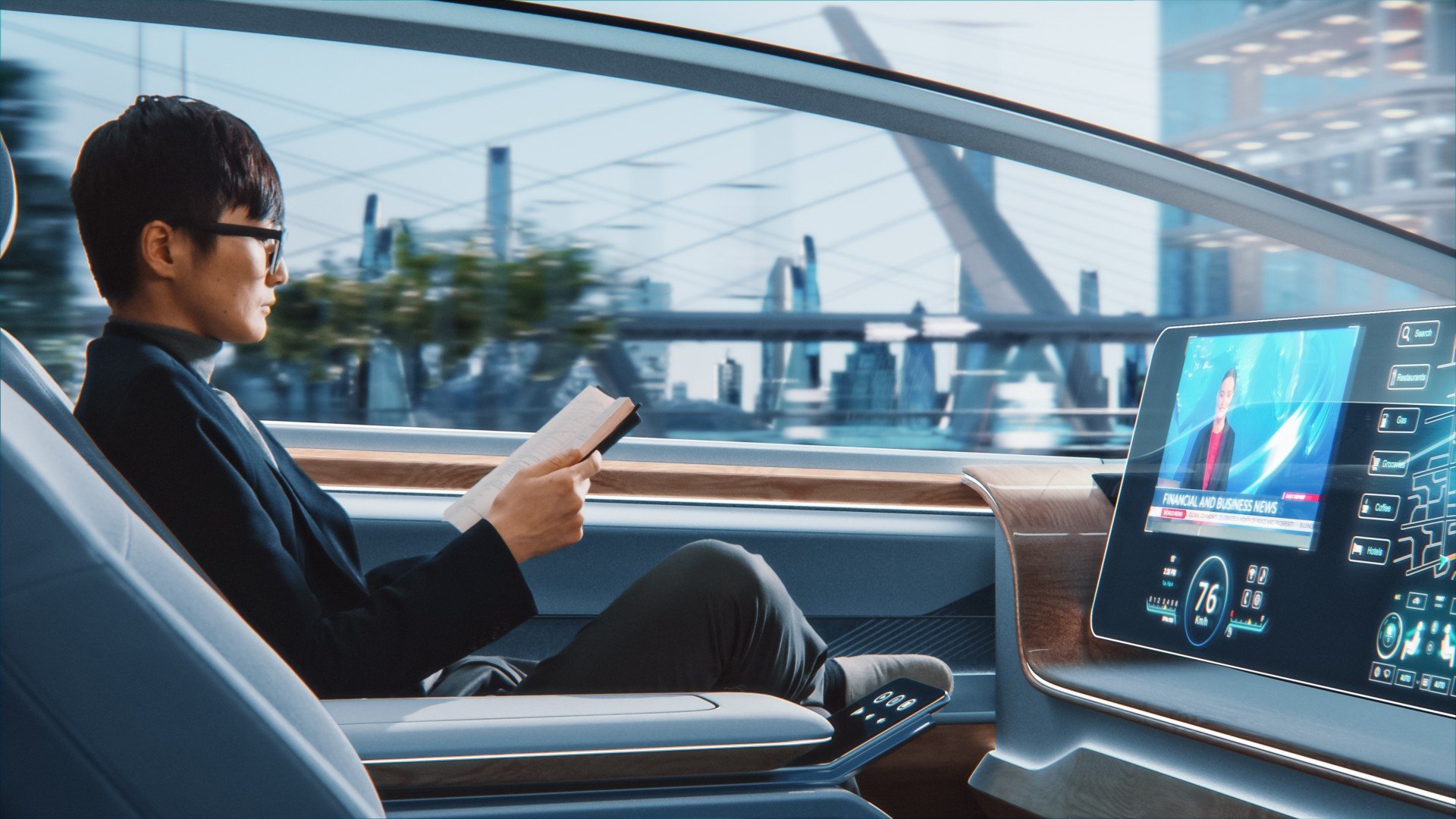
Image source: Getty Images.
Goldman Sachs sees reducing the costs associated with remote operators as a necessary requirement for the robotaxi business to flourish. It predicts that by 2030, a single operator should be able to handle 10 robotaxis simultaneously, rising to 35 by 2040. Reaching those levels will require some technological innovation.
One possible solution was outlined by Mobileye (MBLY +3.37%) during its fourth-quarter earnings call. The autonomous driving company thinks it has found a way to make remote operators largely unnecessary.
Pairing fast AI with slow AI
Mobileye CEO Amnon Shashua outlined the company's "fast-think, slow-think" architecture during the earnings call. The key innovation is splitting the AI workloads involved in autonomous driving and potentially tapping cloud-based AI for deeper reasoning.
For safety-related decisions where every second counts, on-board computing resources must be used to reduce latency. In Mobileye's systems, the process of perceiving the environment occurs 10 times per second. If a pedestrian steps in front of a robotaxi, the robotaxi must detect the pedestrian and respond as quickly as possible.
For other issues, like deciding whether to wait for something blocking traffic to move or take a different route, decisions don't need to be made as quickly. These types of decisions also benefit from more powerful AI models that can't be stuffed into the limited computing resources available within the robotaxi itself.
Mobileye's architecture can call powerful vision-language models running in the cloud at a lower frequency to make more difficult decisions that aren't related to safety. Shashua noted that this strategy improves the mean time between interventions, and that powerful cloud-based models could replace remote operators "in many cases." If it works at scale, the economics of robotaxis could improve dramatically.

NASDAQ: MBLY
Key Data Points
Gearing up for 100,000 robotaxis
Mobileye's fast-slow architecture will play a key role in the company's deal with Volkswagen to put 100,000 robotaxis on the road by 2033. Starting this year, the two companies are working toward removing safety drivers as a first step toward that audacious goal.
Mobileye's 8-year future expected automotive revenue pipeline now sits at $24.5 billion, up 42% over the past three years. While it will take years for the robotaxi industry to scale up, Mobileye's fast-slow architecture represents a key step toward making robotaxis economically viable and delivering that future revenue.