Nvidia's (NVDA +2.39%) stock surged 26,960% over the past decade. Much of that growth was driven by the soaring popularity of artificial intelligence (AI) applications. Nvidia's discrete GPUs, which were once mainly used to render graphics in video games, were well-suited to handle complex AI applications because they could simultaneously process parallel tasks. That set them apart from CPUs, which were optimized for processing sequential tasks.
Some investors might be reluctant to chase Nvidia's stock after those massive gains. However, a single catalyst could drive its stock even higher in 2026: skyrocketing demand for AI infrastructure upgrades to support the latest AI applications.

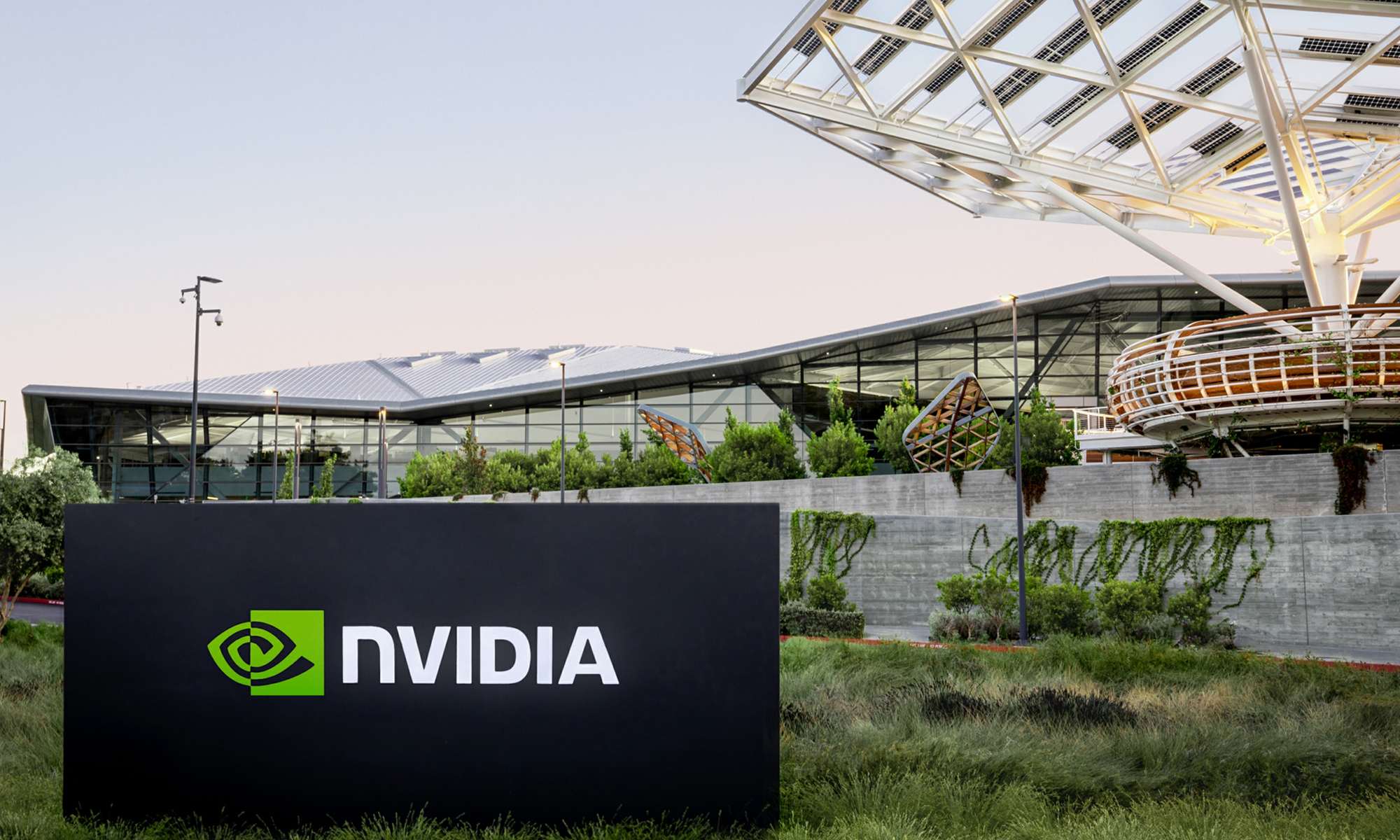
Image source: Getty Images.
Why would that trend drive Nvidia's stock higher?
The global AI infrastructure market could expand at a CAGR of 29.1% from 2025 to 2032, according to Fortune Business Insights, as more data centers upgrade their AI chips. Nvidia already controls more than 90% of the discrete GPU market, according to Carbon Credits. It maintained its lead in the booming data center market through AI-oriented architecture upgrades, including Turing (2019), Ampere (2020), Hopper (2022), and Blackwell (2024).

NASDAQ: NVDA
Key Data Points
Nvidia also locks in its customers with CUDA (Compute Unified Device Architecture), its proprietary programming platform optimized for its own chips. It also bundles its chips with its own networking products, software, and services to further widen its moat. Most of the world's top AI companies -- including Microsoft (MSFT -1.77%), OpenAI, and Meta Platforms (META -2.53%) -- have spent billions of dollars on Nvidia's data center chips.
Nvidia faces some competition from AMD's (AMD +1.48%) cheaper data center GPUs and Broadcom's (AVGO +2.77%) custom AI accelerators for hyperscalers. Still, there could be plenty of room for all of these leading AI chipmakers to grow without stepping on each other's toes. Moreover, Nvidia's "best in breed" reputation, the speed of its deployments, and the stickiness of its prisoner-taking ecosystem should make it the preferred chipmaker for most AI companies. Simply put, Nvidia should continue to sell the best picks and shovels for general-purpose AI applications and remain a linchpin of the AI infrastructure market.
From fiscal 2025 (which ended last January) to fiscal 2028, analysts expect Nvidia's revenue and earnings per share (EPS) to grow at CAGRs of 47% and 45%, respectively. Those are exceptional growth rates for a stock that trades at 27 times next year's earnings, and it should remain one of the simplest ways to profit from the AI market's long-term growth.