Rivian (RIVN -1.07%), a producer of electric vehicles, went public at $78 on Nov. 10, 2021. Today, its stock trades at $15. It initially attracted a lot of attention because it already delivered its first vehicles, and its top investors were Amazon (AMZN -0.15%) and Ford (F +1.46%).
However, Rivian lost its luster after missing ambitious production targets, incurring steep losses, and failing to justify its sky-high valuations. Ford also scrapped its plans to co-develop an electric pickup with Rivian and liquidated most of its Rivian shares in 2022. But could this out-of-favor stock bounce back over the next five years?

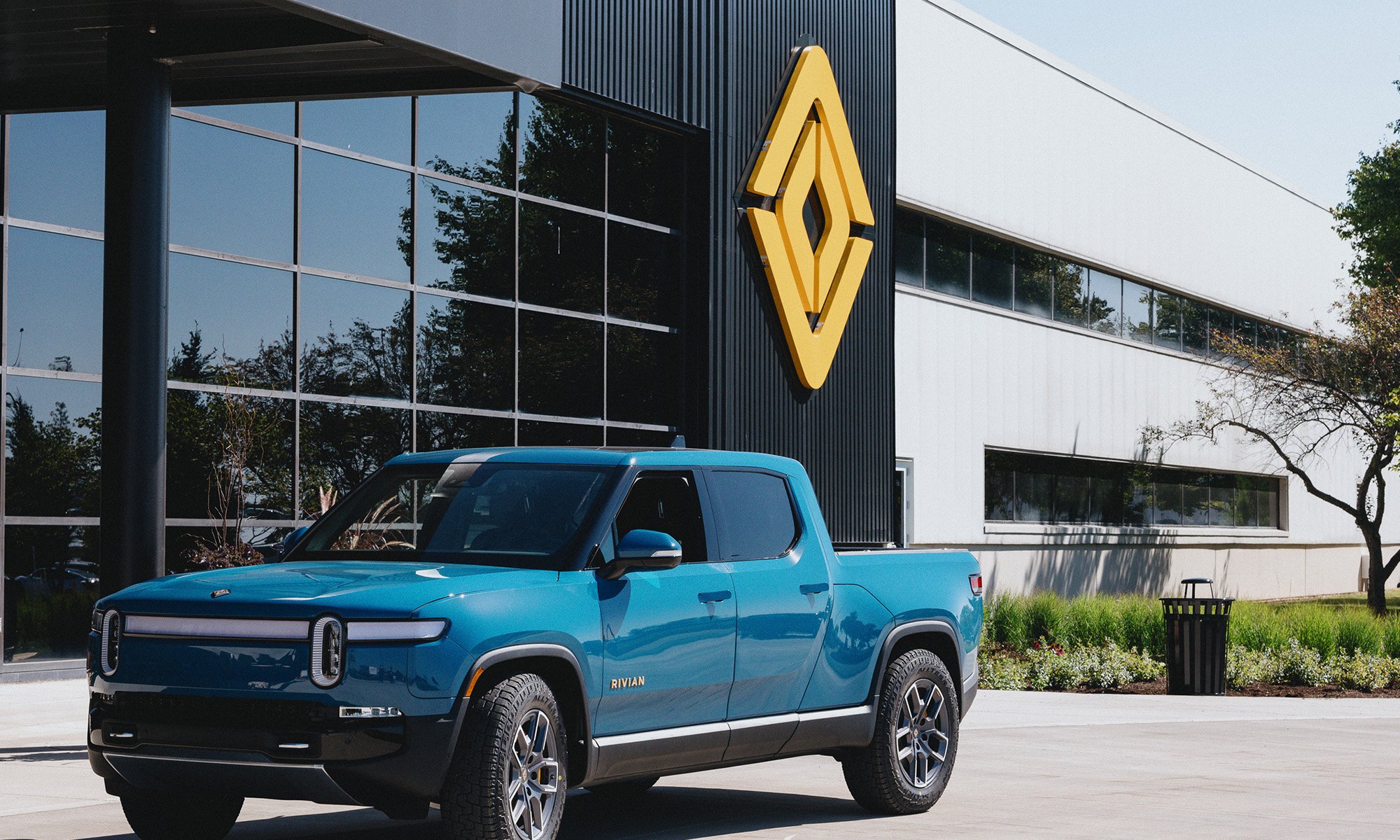
Image source: Rivian.
Why did Rivian’s stock collapse?
Rivian produces three types of EVs: the R1T pickup truck, the R1S SUV, and custom electric delivery vans (EDVs) for Amazon and other companies. It plans to launch its third commercial vehicle, the R2 SUV, in the first half of 2026.
When Rivian went public, it predicted it would produce 50,000 vehicles in 2022. Unfortunately, it produced only 24,337 cars and delivered 20,332, as it grappled with supply chain constraints. In 2023, it more than doubled its production to 57,232 and delivered 50,122 vehicles as it overcame those supply chain issues.
In 2024, Rivian’s production dipped to 49,476 vehicles as inflation, high interest rates, lower EV subsidies, and competition throttled its expansion -- but its total deliveries still rose to 51,579 vehicles. For 2025, it expects to deliver only 40,000 to 46,000 cars, as macro and micro headwinds continue to impact its business.

NASDAQ: RIVN
Key Data Points
What could happen over the next five years?
Rivian expects to grow again as it ramps up its production of the R2 in 2026 and 2027. To boost its gross margins, it’s selling its clean energy regulatory credits to other automakers and generating more revenue from its upgrades, subscriptions, services, and licensing deals. It’s also co-developing new EV architecture and software via a joint venture with Volkswagen (VWAP.Y +2.40%), and it plans to open its Georgia plant and triple its production capacity by 2028.
From 2024 to 2027, analysts expect Rivian’s revenue to grow at a 31% CAGR as it narrows its net losses. That’s an impressive growth trajectory for a stock that trades at less than three 3 times this year’s sales. If Rivian hits those targets, continues to grow its revenue at a 20% CAGR through 2031, and trades at a more generous 5x sales by the final year, its stock could rise more than sixfold over the next five years. That would be an impressive return -- but it needs to successfully scale up its business and expand its market share for that to happen.