Shares of Microsoft (MSFT 0.83%) tanked on Thursday following a quarterly report that spooked investors. While the headline numbers looked great, some cracks in the AI growth story started to emerge. A heavy dependence on OpenAI, soaring capital spending on short-lived CPU and GPU assets, and anemic adoption of Microsoft's own AI products paint a rough picture for the tech giant.
Image source: Getty Images.
Putting most of its eggs in one broken basket
Microsoft's remaining performance obligation now sits at $625 billion, an astounding figure. Here's the problem: $281 billion of that total is tied to contracts with OpenAI. Yes, the same OpenAI that reportedly declared "code red" in December as competition gained ground. The same OpenAI that is now full steam ahead on putting ads into ChatGPT, a move once called a "last resort for us as a business model" by CEO Sam Altman.
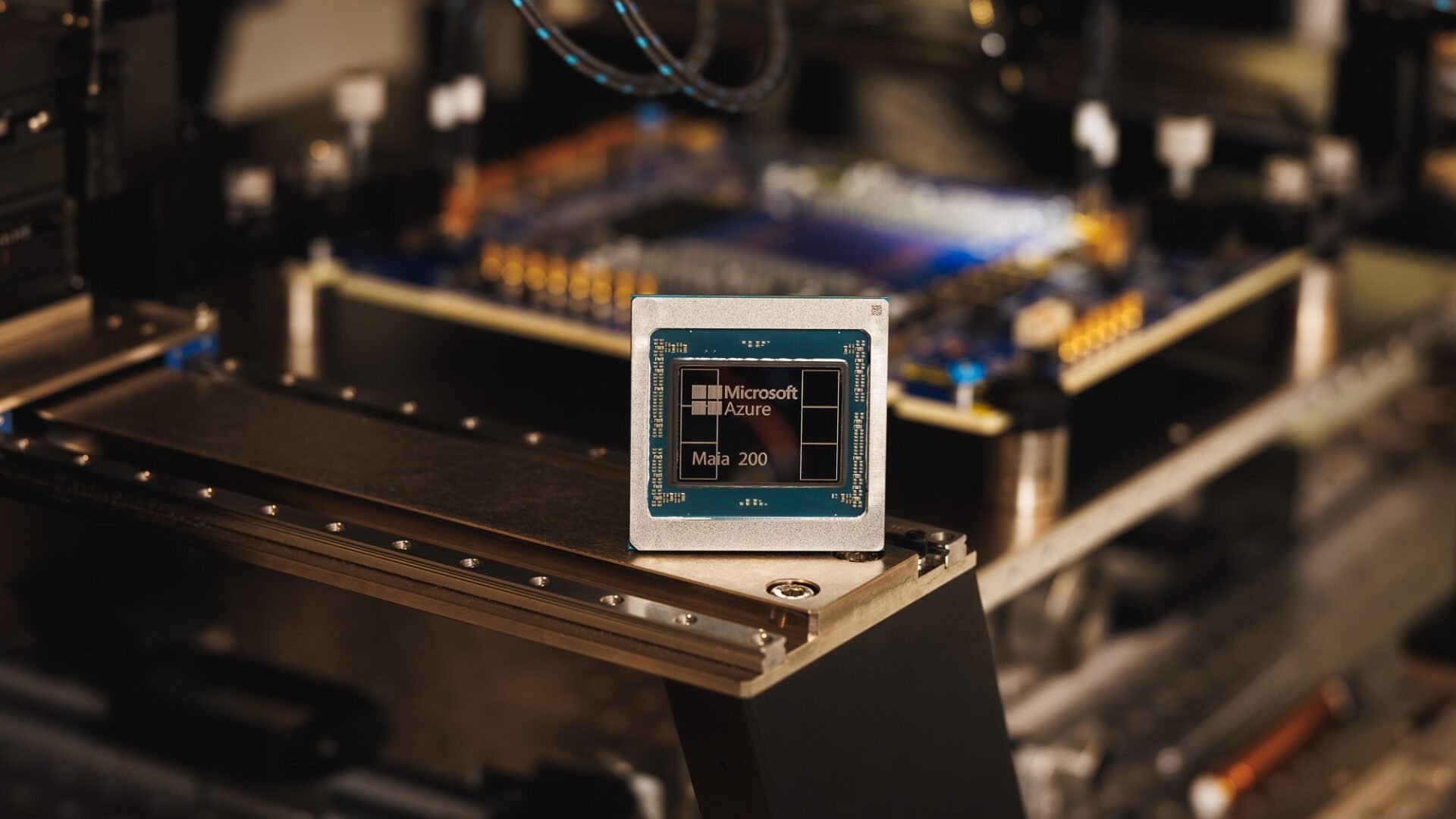
Microsoft is going to invest incredible sums of cash in building AI infrastructure for a company that appears to no longer have any meaningful competitive advantage, and that also has mega-contracts with other providers, including Oracle. Microsoft spent $37.5 billion on capital expenditures in the most recent quarter alone, with two-thirds of that money going toward short-lived assets like GPUs and CPUs.
Microsoft CFO Amy Hood tried to ease investor concerns by saying that the GPUs the company buys are already contracted for most of their useful lives. There's some uncertainty over how quickly data center GPUs should be depreciated, given how much they improve with each generation, and an analyst expressed concern about the gap between contract lengths and useful lifetimes.
However, this argument falls flat. The real risk is that OpenAI, at some point over the next few years, becomes unable to fulfill its side of the massive contracts it's signed. Under that scenario, Microsoft will have a bunch of expensive AI infrastructure without a customer.
While Microsoft management is trying to convince investors that there isn't much risk involved with its OpenAI deals, that is clearly not the case.
A canary in the AI coal mine
Microsoft 365 Copilot is the company's AI tool built into its productivity apps. The company ended the quarter with 15 million paid seats.
Here's the problem: There are 450 million paid seats for Microsoft 365. So far, despite Microsoft's massive investments in AI, Copilot's penetration rate is barely over 3%. Commercial customers appear to be extremely reluctant to pay for Copilot.
GitHub Copilot, an AI coding tool, has just 4.7 million paid subscribers. That's up 75% year over year, but from a small base. GitHub has around 150 million users, so again, a tiny penetration rate.
If Microsoft is having this much trouble getting its customers to pay for AI products, that could portend trouble for the rest of the AI industry. It's not that AI tools aren't useful; it's that the level of industrywide spending on AI infrastructure and AI training might be way ahead of real-world adoption. For Microsoft's AI cloud business, that would be a disaster.

NASDAQ: MSFT
Key Data Points
Should you buy the dip on Microsoft stock?
Microsoft does a lot more than cloud computing and AI infrastructure. The company has software franchises that are industry-standard and cash machines. Windows remains dominant in the PC market, and Office productivity apps aren't going anywhere.
However, heavy spending on AI infrastructure is now putting pressure on the company's cash flow. Microsoft's free cash flow declined in the most recent quarter amid soaring capital expenditures. That capital spending will need to generate reasonable returns on investment. Given the post-earnings decline, investors appear skeptical.
Microsoft stock trades at around 25 times the average analyst estimate for fiscal 2026 earnings. Whether that valuation is reasonable or not will depend on how Microsoft's deals with OpenAI pan out.
I'll be taking a pass on Microsoft stock right now. The OpenAI-related risk makes the stock unappealing to me.