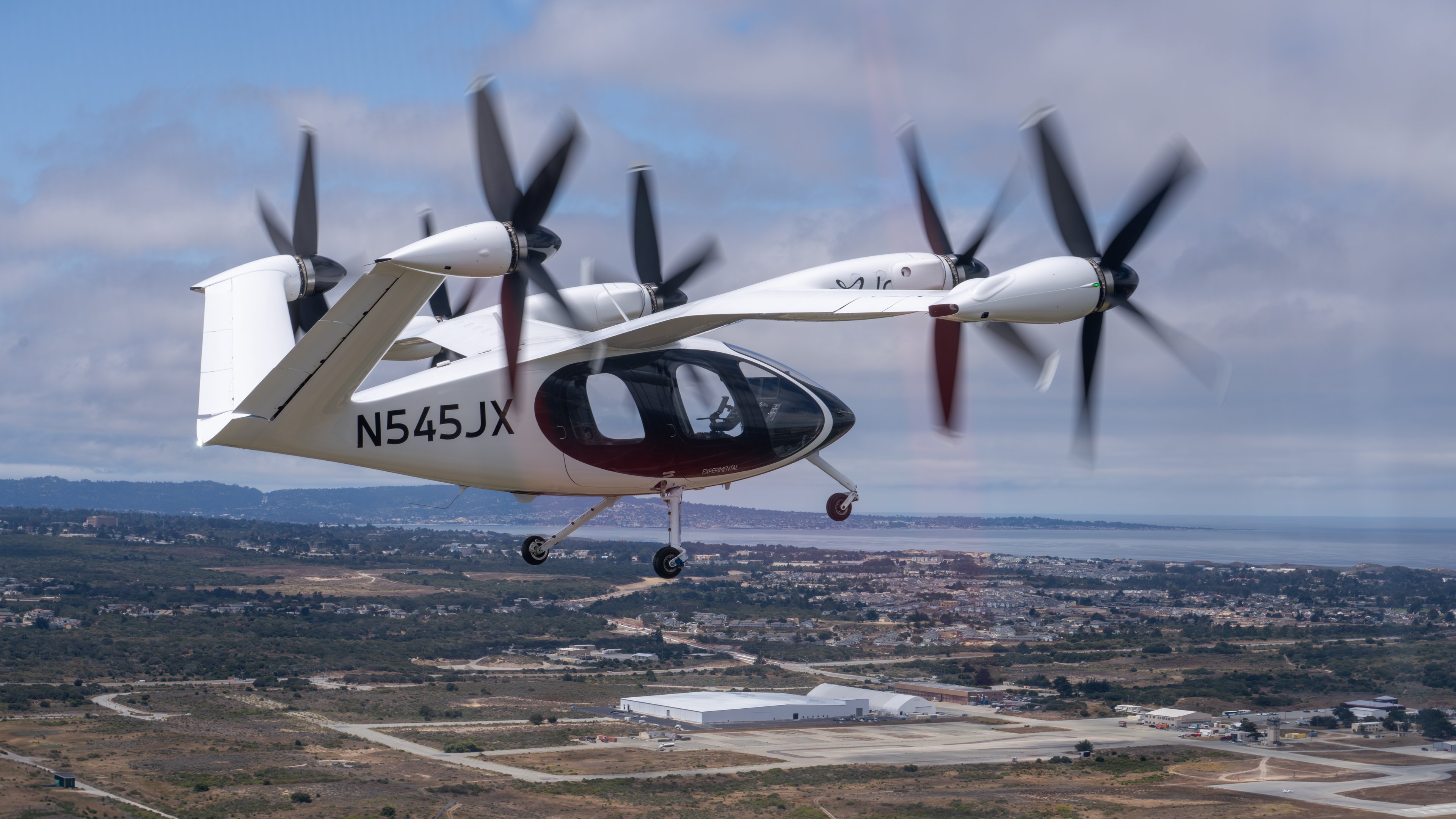
Electric vertical take-off and landing (eVTOL) company Joby Aviation (JOBY 5.12%) has an exciting future and more potential upside than rivals like Archer Aviation (ACHR 3.23%), but it also carries big risks that need to be addressed before buying the stock. As such, here's a risk/reward analysis of the stock.
Joby Aviation's business model
While Archer is focused on becoming an original equipment manufacturer (OEM) and selling eVTOL aircraft to third parties, Joby's main aim is to create a vertically integrated transportation services company. In other words, make, own, and operate its aircraft itself.

NYSE: JOBY
Key Data Points
That business model choice creates additional risk on top of the usual Federal Aviation Administration (FAA) certification risk every eVTOL company faces.
Joby is ahead in the certification race and has performed exceptionally well so far, considering that it's largely developing its own technology and components, while Archer is leaning into established companies like Stellantis, Honeywell, and Safran for technology and components.
Joby Aviation risks
That said, Joby is already in the final stage of certification, during which FAA pilots test the aircraft and the FAA assesses reliability and operational readiness. There's no guarantee that Joby will receive approval. The second risk is that the substantive investment needed to build out its business could significantly dilute existing shareholders' interests.
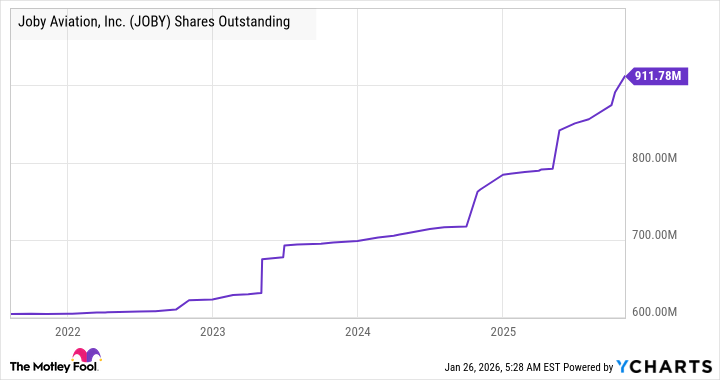
JOBY Shares Outstanding data by YCharts
Joby needs to invest in ramping up manufacturing capacity and needs to invest in vertiports and build out an operational fleet before it starts generating revenue from air taxis. Moreover, remember that its focus is on generating revenue from services, while Archer aims to generate revenue from the sale of OEM equipment.
Finally, the Wall Street consensus implies Joby will raise cash in 2026, likely through an equity raise. It's hard to see how it will end 2026 with $1 billion in net cash, having burned through $646 million in 2026 and starting the year with just $710 million in net cash.
|
Wall Street Consensus for Joby Aviation |
2023 |
2024 |
2025Est |
2026Est |
2027Est |
|---|---|---|---|---|---|
|
Cash Burn |
$344 million |
$477 million |
$538 million |
$646 million |
$574 million |
|
Net Cash |
$1032 million |
$933 million |
$710 million |
$1034 million |
$925 million |
Data source: marketscreener.com
No one is talking about the biggest risk of all
Joby's business model faces a long-term threat from Boeing's subsidiary, Wisk, which also plans to develop eVTOLs and offer its own air taxi services, but with an autonomous eVTOL that could potentially undercut Joby on pricing because it doesn't require a pilot.
Joby's upside potential
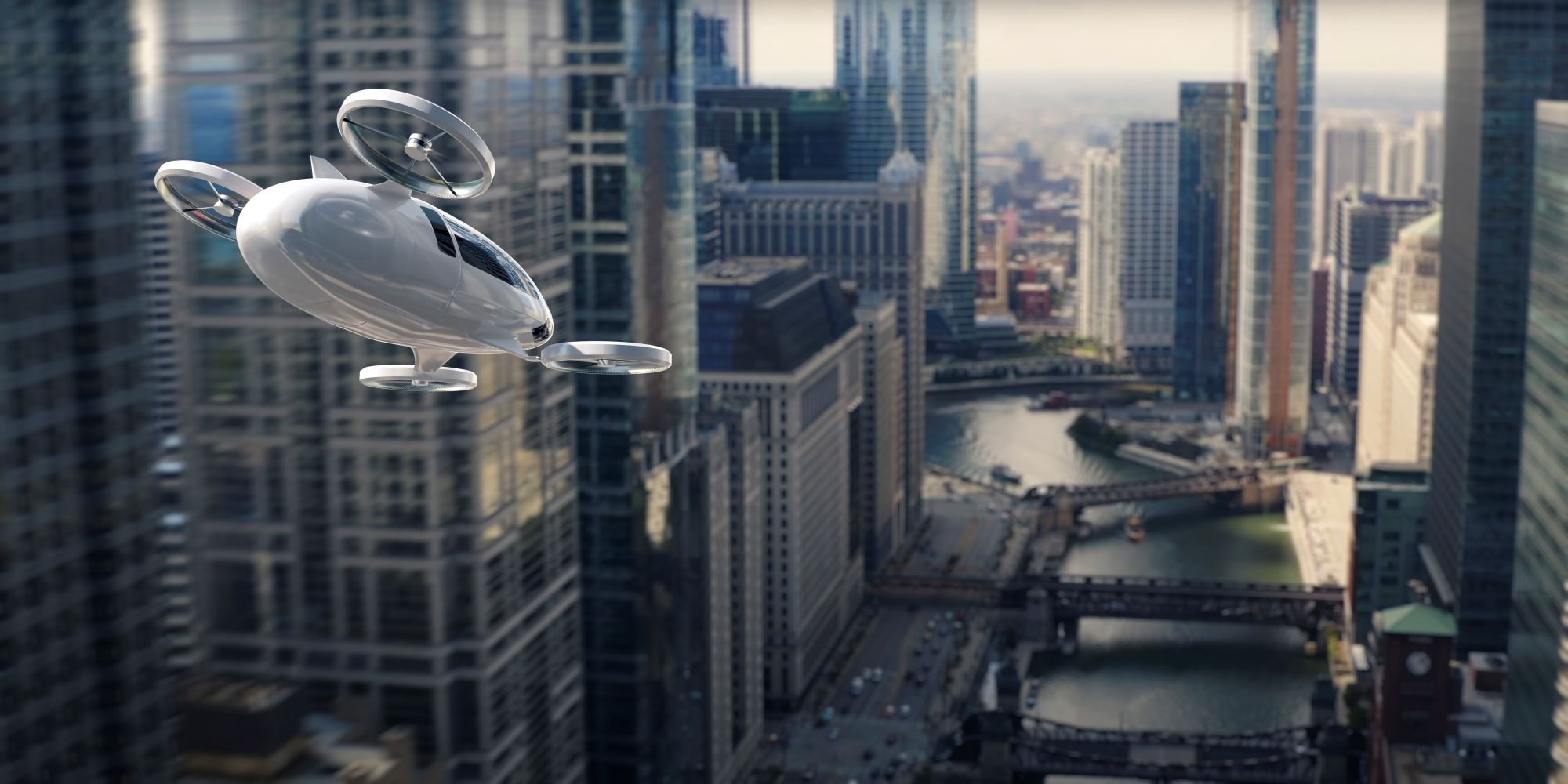
All of that said, the reality is Joby is leading the certification race, and its partnerships and investment from Delta Air Lines (which plans to use air taxis to fly passengers to airports) and Uber (Joby's air taxi services will be on Uber's app), and Toyota is a formidable partner helping Joby with its manufacturing operations. In addition, Joby is working with Nvidia to potentially launch its own autonomous eVTOL in the future.
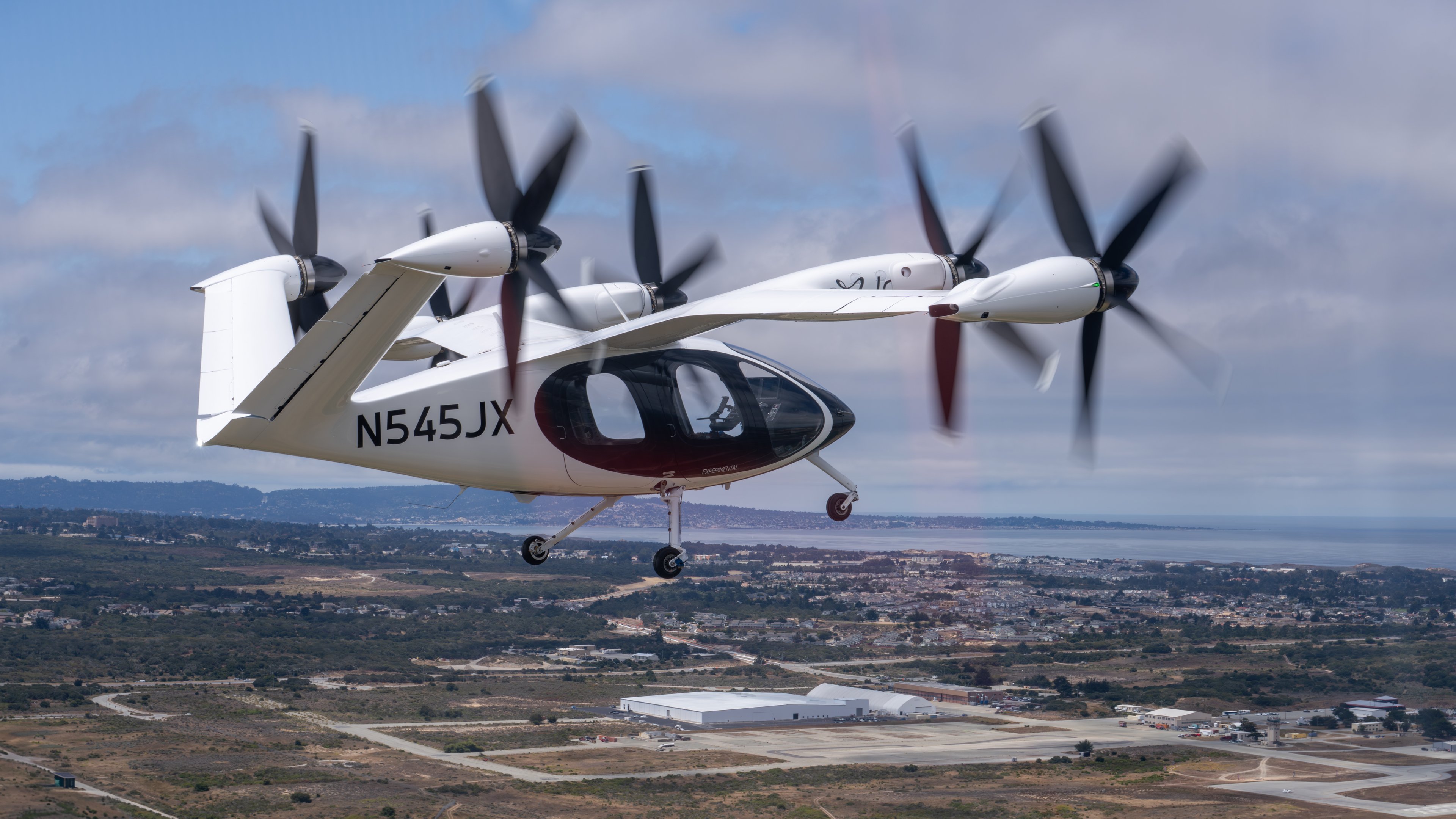
Image source: Joby Aviation.
Moreover, it's highly likely that Joby will have a first-mover advantage over Wisk, and autonomous eVTOLs pose significantly greater technical, regulatory, and cost challenges (Wisk is planning a ground-based operating network).
Joby is risky, but it also has plenty of upside potential through its vertically integrated business model.