Most stocks dish out a decent enough performance. It's a rarity, however, for a relatively small investment to grow into a life-changing sum in the span of a single lifetime.
Every now and then though, an investor picks the right stock at the right time, and ends up catching lightning in a bottle.
With that as the backdrop, here's a closer look at three familiar names that turned a $1,000 investment into a $1 million position. See if you can spot any common threads to look for in your next growth prospect.

Image source: Getty Images.
1. Coca-Cola
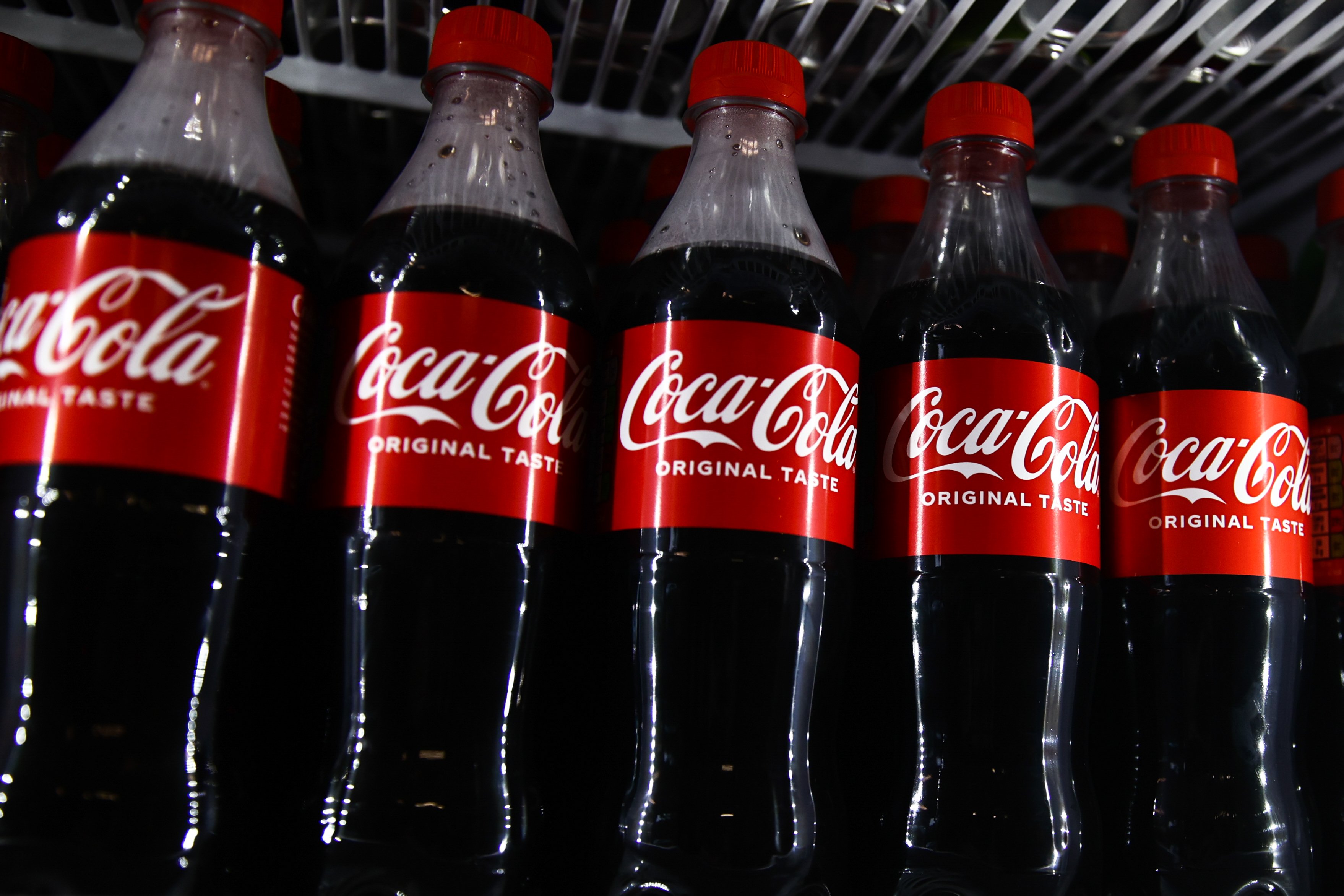
It's true! Boring ol' Coca-Cola (KO +1.88%) grew a $1,000 stake in the company into $1 million. There are a couple of important footnotes to add here, however.

NYSE: KO
Key Data Points
First, you have to go pretty far back to start the clock, so to speak. Indeed, to turn $1,000 into $1 million you would have needed to establish your position in this beverage giant all the way back in late 1964. That's less than a lifetime (a little over 60 years), but certainly most investors' adult lives.
And second, while a big chunk of this gain came from simple price appreciation, a huge chunk of it also came from reinvested dividends, which produces an exponential effect, with its biggest net impact coming at the tail end of the time frame in question.
Whatever the case, that's impressive growth from a name that isn't exactly known for growth. It should serve as a gentle reminder of the power of consistent cash flow. It also doesn't hurt, of course, that the company's always been a brilliant marketer of its brands, and once it established itself as a market leader was able to fiercely defend that lead.
2. Apple
It comes is no surprise that one of the word's very biggest companies is also one of the most rewarding to shareholders. What's most impressive about Apple's (AAPL +0.62%) enormous run-up, however, is that most of this reward has materialized just since 2007, shortly after the early 2007 release of its first-ever iPhone started a smartphone race Apple would never fall behind in. Although Android is the world's most used mobile operating system, Apple's iPhones remain the planet's single-most-popular model of smartphone.

NASDAQ: AAPL
Key Data Points
It matters simply because the iPhone is still Apple's biggest profit center, accounting for roughly half of the company's revenue. Its stock's success is largely a reflection of the success of the iPhone.
A $1,000 investment made in Apple back in late 1980 at its split-adjusted initial public offering (IPO) price of $0.10 per share, by the way, would be worth about $2.6 million today had you also reinvested dividends along the way. Even if you didn't reinvest its dividend payments though, you'd still be pretty satisfied with your $2 million.
3. Netflix
Last but not least, add Netflix (NFLX +0.40%) to your list of megawinners that turned a fairly modest position into a seven-figure sum.
The company's been around for longer than you might readily recall. Netflix actually began operations all the way back in 1997 -- just not as a streaming platform. Rather, with the brick-and-mortar movie rental business still going strong at the time, Netflix's initial business model was renting out DVDs by mail to primarily compete with then-industry titan Blockbuster.
The high-speed broadband connectivity needed to stream full-length video wouldn't even begin becoming commonplace until several years later. In fact, even when Netflix went public in 2002 it wouldn't start streaming anything until more than four years later, and even that started out as a quirky side project the entertainment industry didn't take too seriously at the time.
That was a huge mistake. By the time Netflix surpassed 100 million subscribers back in 2017, would-be competitors were too far behind to ever to catch up. And they haven't.

NASDAQ: NFLX
Key Data Points
Its stock, of course, has reflected this progress every step of the way. Although the recent pullback resulting from its proposed acquisition of Warner Bros. Discovery would have dialed back the value of a $1,000 investment at its split-adjusted IPO price of $1.07 per share to a little less than $1 million today, anyone reinvesting the few dividends Netflix paid along the way would still be right at the seven-figure mark.
The common thread?
So what did these companies do differently than most others to drive these incredible gains? All three of these names are considerably different from one another, with differing business models and differing reasons for growth at different growth rates.
There is one clear common thread though, other than just offering consumers something they really, really want. That is, all three outfits are fiercely insistent on flawless execution and delivery of their product or service, just to ensure every customer is fully satisfied. That's something to think about the next time you're on the hunt for a megawinner.
Of course, it doesn't hurt that all three also offer in-demand products or services that people willingly pay for over and over again. This is true even for Apple; most people who purchase an iPhone already own one, and are simply looking to upgrade.