The tech-dominated Nasdaq-100 index grew a solid 20% in 2025, mainly driven by continued optimism surrounding generative artificial intelligence (AI). This burgeoning industry is far from profitable. In fact, early leaders like OpenAI and Anthropic are burning billions of dollars every single quarter, with much of that money going to the expensive, depreciating hardware needed to make large language models (LLMs) possible.
Going into 2026, investors should remain focused on the pick-and-shovel side of AI by betting on the hardware companies that make the technology possible. Let's discuss why Micron Technology (MU 4.80%) and Broadcom (AVGO +0.15%) could be two of the best buys.
Micron Technology
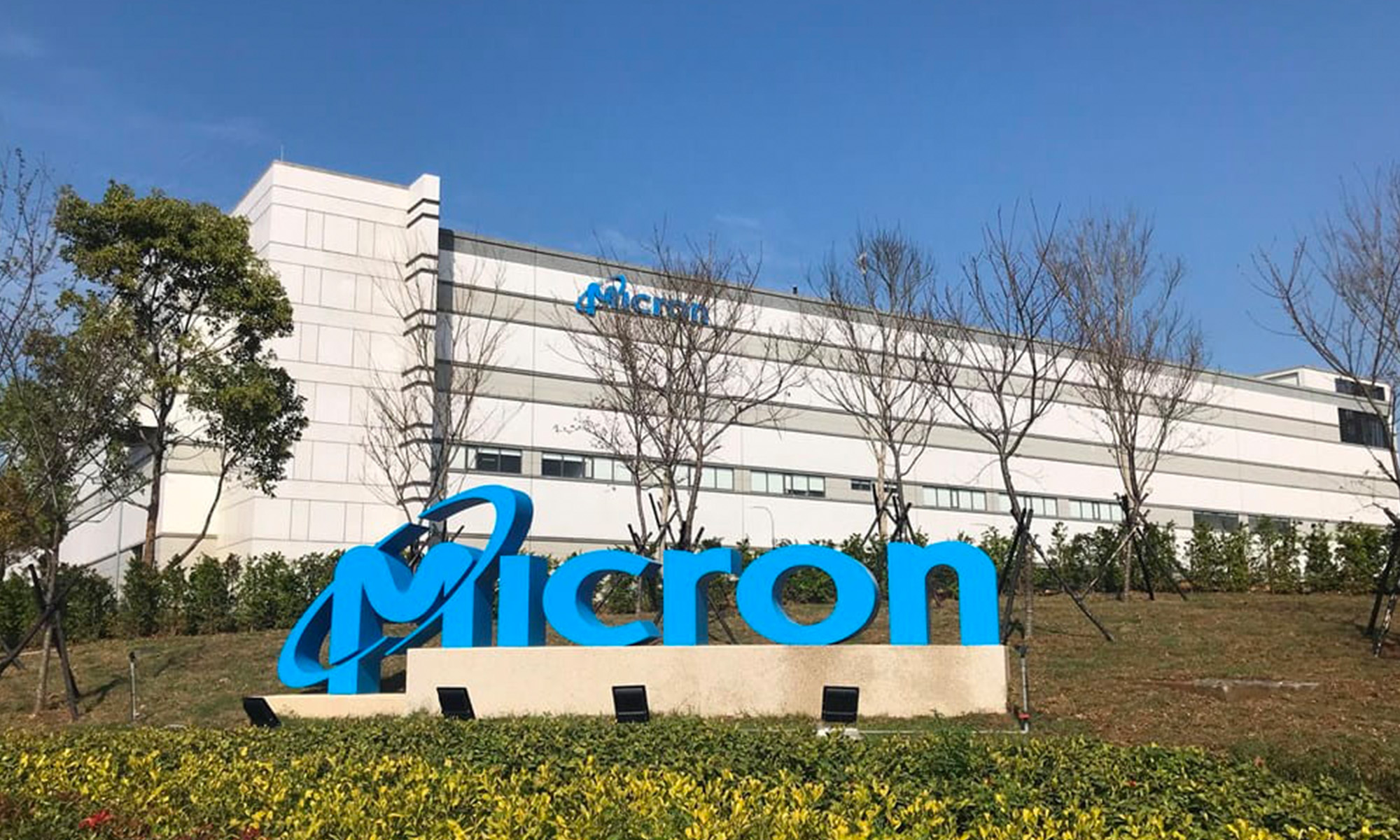
With shares up almost 400% over the last 12 months, Micron Technology is finally having its time in the sun after decades of lackluster performance. But despite the growth, Micron's shares remain attractively valued considering how rapidly generative AI data center demand is transforming the market for its high-bandwidth memory hardware.

NASDAQ: MU
Key Data Points
Since its founding in the late 1970s, Micron has grown to become a leader in designing and manufacturing computer memory chips like DRAM and NAND flash, which are used to store data in everything from smartphones to automotive systems. Memory chips are considered commoditized, which means it is difficult for producers to differentiate themselves from each other on anything other than price. This dynamic causes stiff competition and generally low margins.
However, generative AI promises to change the story -- at least in the near term. According to analysts at Mizuho Financial Group, NAND memory prices could skyrocket 330% year over year in 2026 and 50% in 2027 as cloud computing giants race to build data centers.
But while Wall Street is increasingly optimistic about Micron's future, the stock's valuation hasn't caught up yet. With a forward price-to-earnings (P/E) multiple of just 13, the company's shares trade at a dramatic discount to the S&P 500 index's average of 22.
Broadcom
While memory hardware is essential for building AI data centers, arguably the most important components are graphics processing units (GPUs) and AI accelerators. These are the chips that actually train and run LLMs. Right now, the industry is dominated by Nvidia, but Broadcom is rapidly gaining ground as companies increasingly opt for its custom chips instead of one-size-fits-all solutions.
While Broadcom and Nvidia are both semiconductor companies, they have radically different business models. Nvidia focuses on designing chips and subcontracting manufacturing to other companies, while Broadcom manufactures custom chips designed by other companies. These custom chips are called application-specific integrated circuits, and they can deliver dramatic cost and efficiency savings.
Broadcom is attracting big-name clients. In September, Reuters reported that industry leader OpenAI is partnering with the company to build custom AI chips, scheduled to launch this year.

Image source: Getty Images
Over the long term, custom chips probably have a brighter future than general-purpose GPUs because they give AI companies more control over their supply chains and offer the potential for cost savings. With the software side of the industry broadly losing money, companies will be highly incentivized to improve efficiency wherever possible.
With a forward P/E multiple of 33, Broadcom trades at a premium to the market average. That said, the valuation makes sense considering the growth opportunity. Fourth-quarter revenue increased 28% year over year to $18 billion, driven by soaring AI semiconductor revenue, which jumped 74% year over year to $6.5 billion.
Which stock is better for you?
While Micron Technologies and Broadcom are both excellent ways to get exposure to the generative AI opportunity, Micron looks like the far stronger pick. The computer memory giant's rock-bottom valuation suggests it is still largely undiscovered by the market. And with global memory hardware shortages expected to continue in 2026 and possibly beyond, the company looks poised for explosive near-term growth.