Apple (AAPL 0.21%) is an oddball among its big tech peers and always has been. It has its macOS and iOS operating systems and its App Store, of course, but its focus has never been on software.
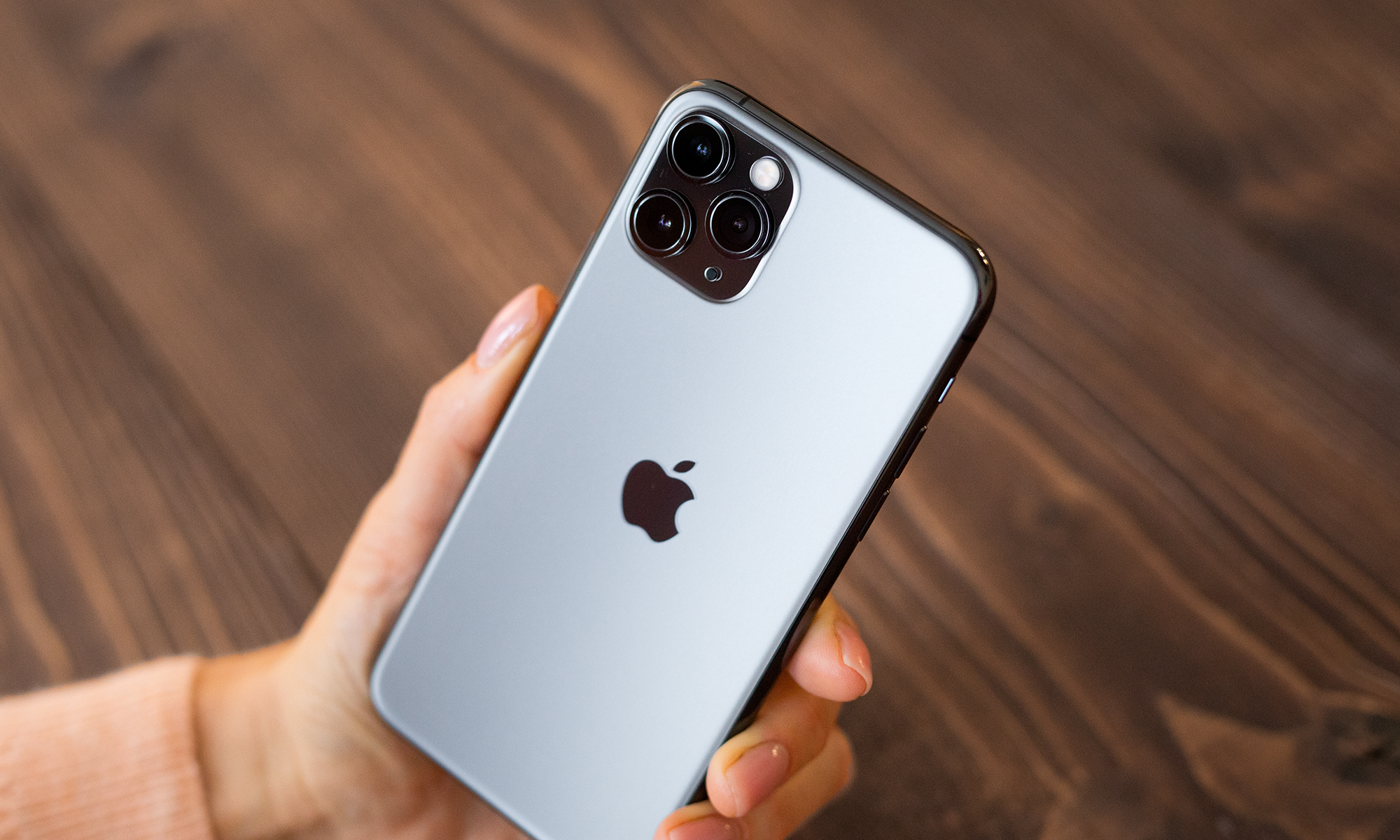
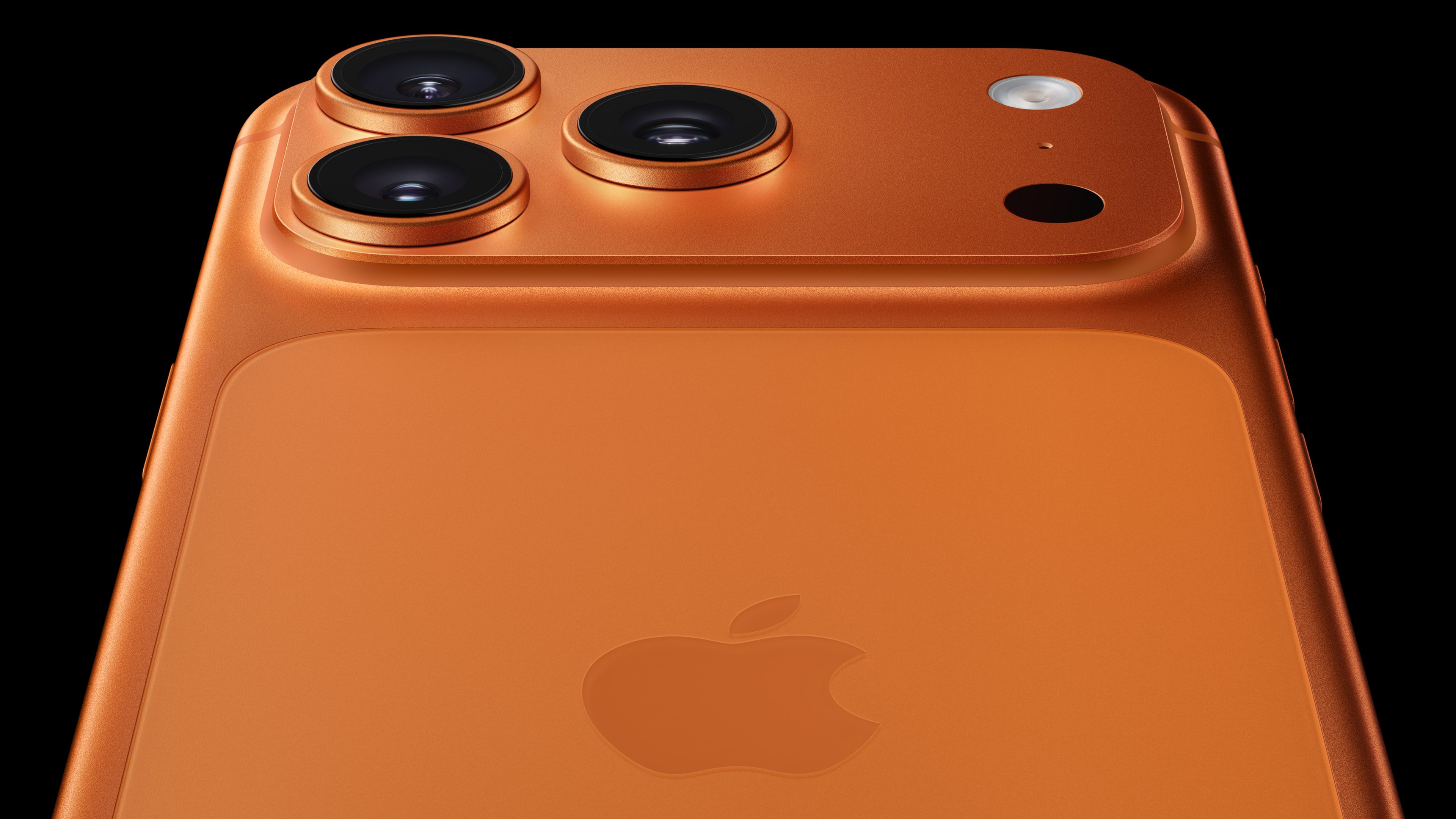
No, Apple has always been primarily a hardware company. The Mac and MacBook computers, iPhone, iPad, and iWatch are its bread and butter.
Even its closest rival, Microsoft, has always been more focused on its Windows operating system than making hardware for it to run on. Perhaps that's why I'm not particularly surprised that the iPhone maker has lagged behind its big tech peers in the development of artificial intelligence (AI).
But that is set to change in the near future, and when it does, I expect Apple, like Alphabet, will quickly outperform AI start-ups like OpenAI or Anthropic due to its vastly superior resources and powerful brand.
It's still a giant
Since its initial public offering (IPO) in 1980, Apple has perennially been one of the best-performing stocks on the market. That's still true now, more than 40 years later. During the past five years, it has returned 102% versus the S&P 500's 87%.
The company's latest results showed that it's still a juggernaut.

NASDAQ: AAPL
Key Data Points
For fiscal 2025 (ended Sept. 27), it recorded revenue growth of 6.4% year over year, hitting $416 billion. Net income for the year grew 19.4% from 2024 to $112 billion. Diluted earnings per share (EPS) for 2025 grew 22.6% over 2024.
And then for the 2026 fiscal first quarter (ended Dec. 27), revenue rose 16% from a year earlier to $143.8 billion, and EPS increased 19%. Of particular note was the iPhone, which saw sales climb 23.3% from 2025 and accounted for nearly 60% of the company's total sales. In all, the first quarter gross margin widened by 130 basis points to 48.2% and its operating margin expanded by 90 basis points to 35.4%.
So, despite being behind in the AI arms race, Apple is showing no signs of slowing down. And it has more than enough resources to procure anything it needs -- from talent to acquiring start-ups -- to jump-start its AI program.
Image source: Getty Images
While Apple has yet to truly produce anything concrete in terms of AI (the less said about Apple Intelligence's failed launch, the better), it has been making the right moves recently to rectify that problem. Late last year, its head of AI, John Giannandrea, stepped down and was replaced by Amar Subramanya as vice president for AI.
Subramanya formerly worked on both Microsoft's and Alphabet's AI programs. He is working with Craig Federighi, senior vice president for software engineering, to overhaul the company's AI efforts. And it seems those efforts have already borne some fruit.
Bloomberg reports that Apple may be just weeks away from unveiling an AI-powered version of Siri -- Apple's voice assistant -- running on an Alphabet-developed model, although it won't be powered by an Apple-developed AI program.
That isn't enough on its own, but it does signal that management is keenly aware of its AI shortcomings. It will also give the company's hardware engineers experience in developing AI-capable hardware, and its software developers experience in integrating AI into the existing iOS and macOS frameworks.
And Bloomberg also reports this version of Siri is only a stopgap measure. Management plans to take the Apple Foundation 10 platform it's getting from Alphabet and develop it into Apple Foundation 11 for an even bigger Siri update scheduled for later this year. The goal is to replace the Alphabet model with an in-house one at some point.
If the company takes too long to develop that in-house AI program, it risks dependency on Alphabet. But at the same time, it certainly has the resources to develop an in-house competitor to ChatGPT or Gemini. And it has a very strong brand that should give it a bit of a grace period.
Apple customers (at least its iPhone owners) are the most loyal repeat buyers in the industry. A full 89% of them say they plan to stick with the iPhone when it comes time to replace their device (the industry average is 70%). Samsung, its biggest rival in the phone industry, has a customer loyalty rate of just 77%.
So, regardless of any AI bells and whistles incorporated into the software, Apple customers like Apple products. In the short term that should keep its pockets lined while it works to develop its own AI program.
Given its resources and the power of its brand, Apple has every chance to emerge as the dark horse in this race. Consider giving it a look.