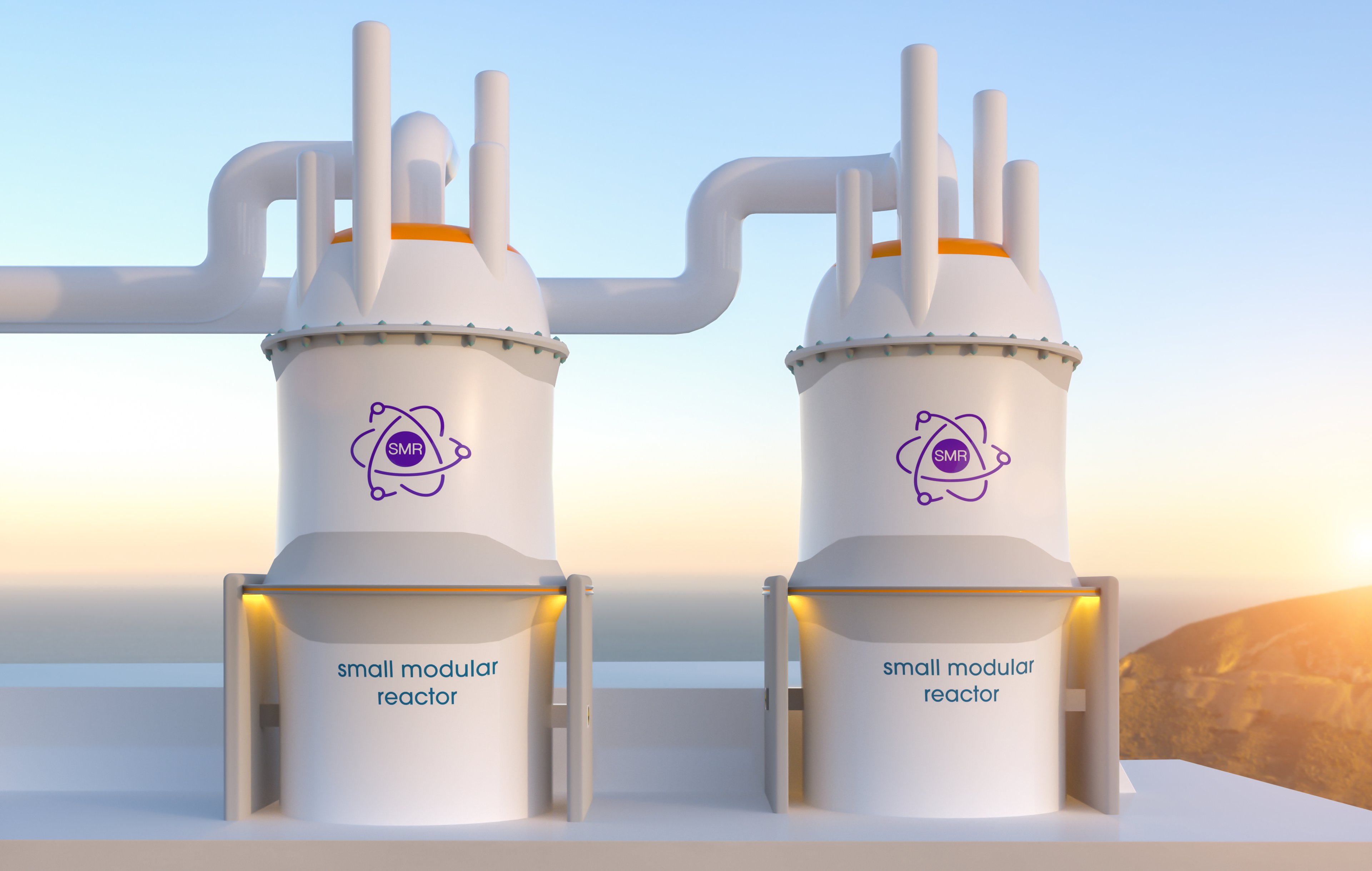
Centrus Energy (LEU -9.76%) is one of the few U.S. companies licensed to sell low-enriched uranium (LEU), the fuel used in most commercial nuclear reactors. It's also the only publicly listed U.S. company that produces high-assay, low-enriched uranium (HALEU) for advanced nuclear reactors. That makes it a linchpin of the nuclear energy market.
Over the past three years, Centrus' stock surged nearly 500% as more countries restarted their nuclear projects. Many of those projects had been paused after the Fukushima disaster in 2011, but the development of more advanced reactors, the growth of the power-hungry cloud and AI markets, and new global decarbonization initiatives all restarted the stagnant industry.
Centrus has attracted significant attention from growth-oriented investors, but almost no one has considered its potential to become a high-yield dividend stock. Let's see why Centrus could keep growing and start paying recurring dividends.
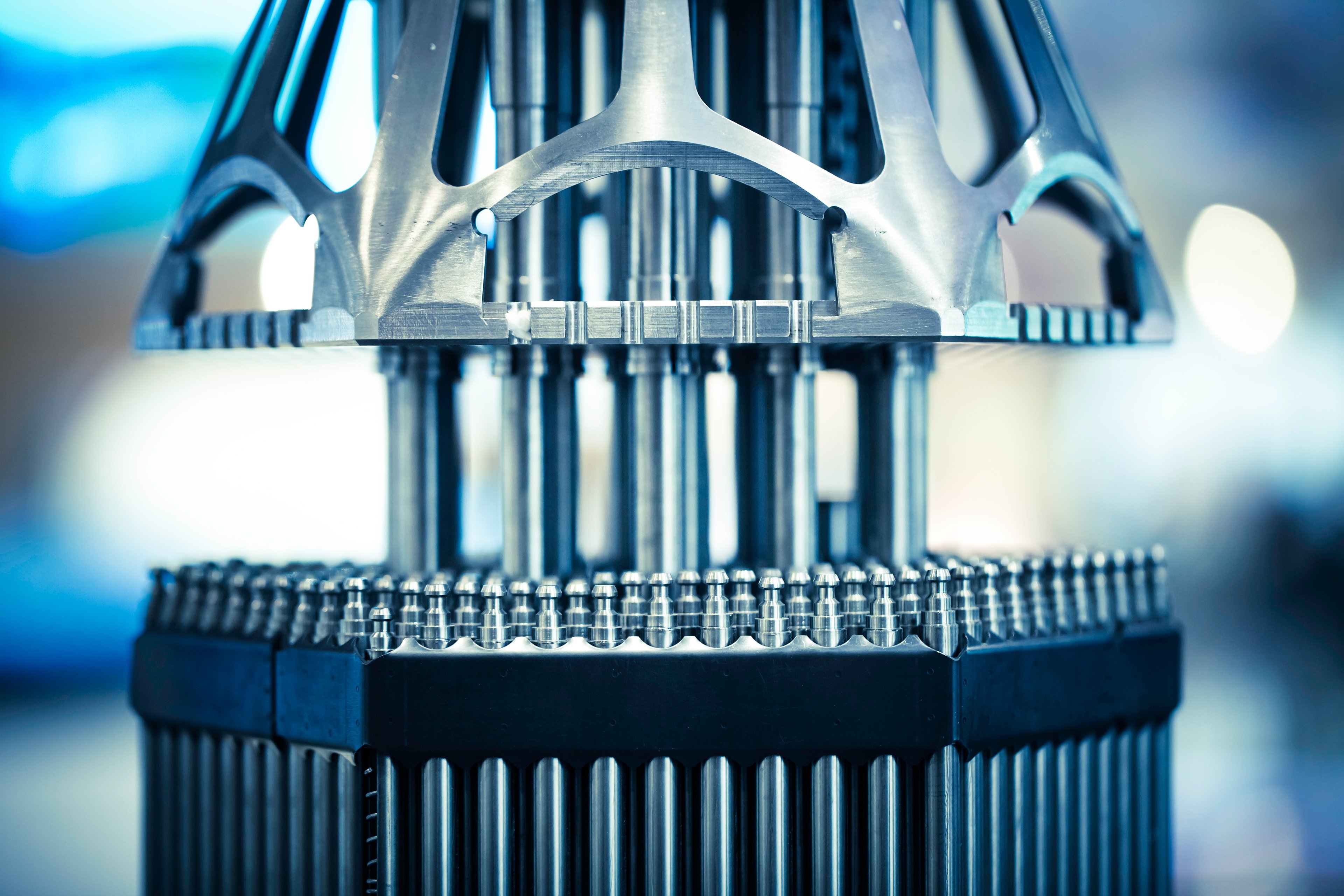
Image source: Getty Images.
How did Centrus evolve over the past decade?
Centrus transformed its entire business model over the past 13 years. It previously enriched its own LEU on a commercial scale at its U.S. plants, but shut down those facilities in 2013 because it became cheaper to import enriched uranium than to operate aging U.S. facilities.
That same year, the "Megatons to Megawatts" program -- a U.S.-Russia deal that allowed enriched weapons materials from dismantled Russian warheads to be downblended into LEU and sold -- also ended, cutting it off from its cheap supply of overseas LEU. Those jarring changes, along with the Fukushima disaster's impact on the broader nuclear energy market, led to a 90% decline in revenue from $1.86 billion in 2012 to $193 million in 2018.
After shrinking its core business, Centrus became a middleman that purchased large quantities of overseas LEU and resold it to domestic utility companies. It also began enriching its own HALEU in limited amounts for advanced reactors under small-scale government contracts.
Why could Centrus start paying dividends?
From 2018 to 2024, Centrus' revenue more than doubled to $442 million as its streamlined operations flourished amid a warming nuclear market. From 2024 to 2027, analysts expect its revenue and EPS to grow at CAGRs of 7% and 2%, respectively.
If Centrus pays out just half of its projected 2026 EPS of $4.01 in dividends, it would give it a slim forward yield of 0.8%. It could continue to raise that dividend if the nuclear market's recovery becomes a "supercycle" lasting more than a few years.