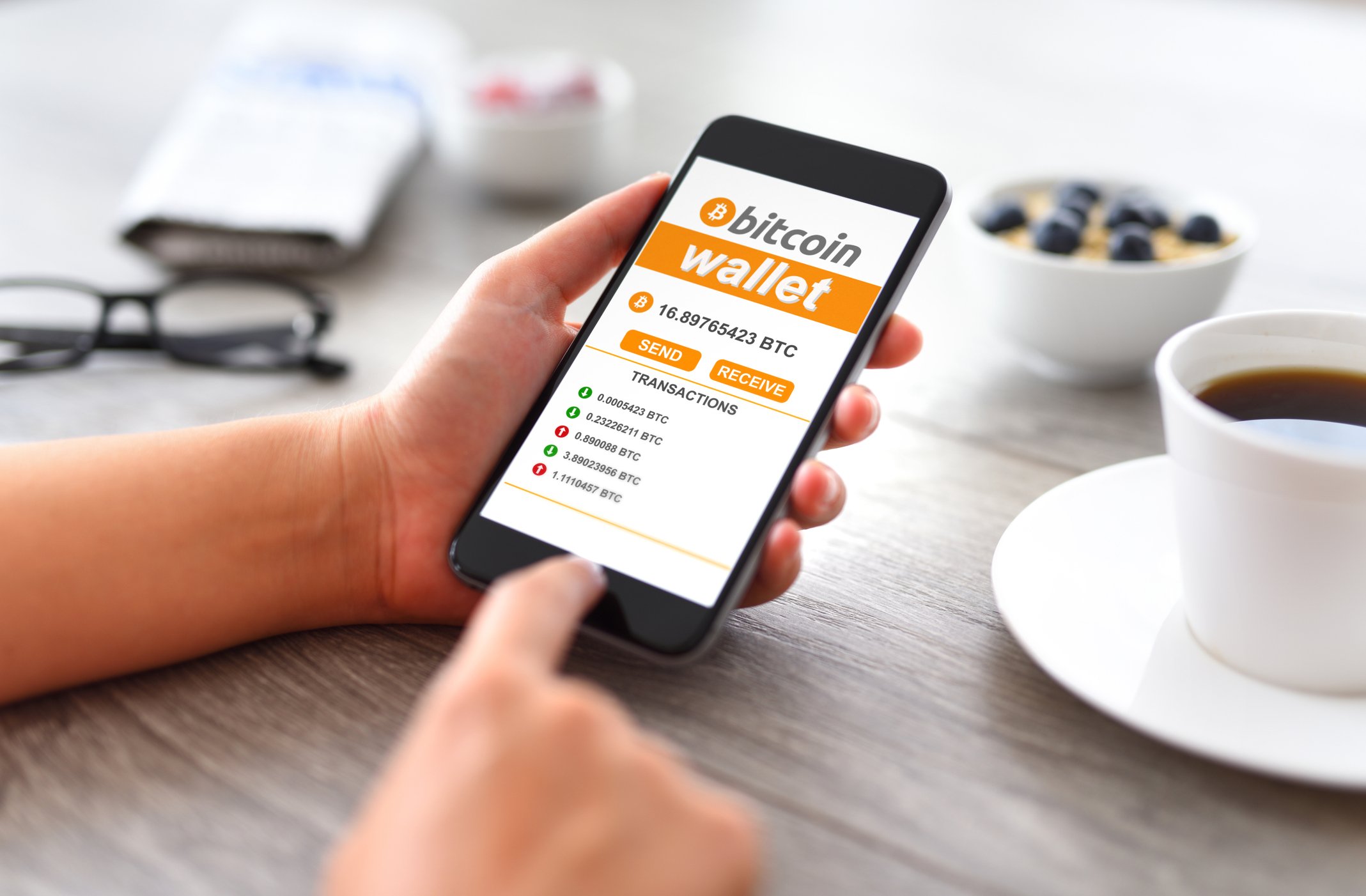
A long-term asset like Bitcoin (BTC 4.50%) can survive a lot of scary headlines about the global economy, geopolitics, or the behavior of its biggest holders. But for investors to have enough confidence to actually hold it long enough to get a solid return, it probably can't survive having its core (and often unstated) assumptions broken.
On that note, on Jan. 21, Coinbase (COIN +7.69%) said that it would form an independent advisory board focused on quantum computing as it pertains to blockchain security, explicitly saying that blockchains like Bitcoin may need to soon implement new cryptography to stay safe from the future code-breaking risk posed by quantum computers. So if you own or are considering buying Bitcoin, you should treat this as a sign that you need to learn about this big new risk, because it might be existential for the asset.
Image source: Getty Images.
Take this wake-up call
When a large exchange publicly says that it's reaching for outside expertise to deal with an emerging threat, it tends to signal preparation for a multiyear engineering and policy effort. And Coinbase isn't alone here; in late January, the Ethereum Foundation, a governance organization of Ethereum, discussed making a dedicated post-quantum computing security effort.
But what are these entities suddenly so afraid of? Even the leading quantum computing companies are still in their infancy.

CRYPTO: BTC
Key Data Points
In short, the cryptography underpinning many blockchains, including Bitcoin, could theoretically be cracked by a sufficiently powerful quantum computer. Those computers don't exist yet, and they probably won't for at least five years or more. But if one is developed and fell into the wrong hands, it would mean that an attacker could potentially steal Bitcoin right from people's crypto wallets, which would effectively cause the price of the coin to crash hard as soon as the theft and its mechanism were uncovered.
In other words, a type of hack that makes it so that people can't be certain that their ownership rights will be protected by default is one of the few things that could destroy Bitcoin as an asset.

NASDAQ: COIN
Key Data Points
What to do if you own or want to buy Bitcoin
For investors, the timeline for Bitcoin's migration to quantum-secure encryption is the whole game here.
There are already theoretically sound ways of guarding against the future threat of quantum computing. Nonetheless, employing those mitigation measures requires forming a consensus about the best course of action within Bitcoin's notoriously conservative developer community, not to mention actually implementing the fixes before it's too late.
Again, the kind of quantum machine required to break Bitcoin's encryption is far beyond the currently available hardware. On a long enough timescale, however, it will certainly exist, and holders won't be getting regular updates about how much time they have left before their coins could get stolen as that time passes.
Practically speaking, that means you should start by sizing your Bitcoin exposure to your tolerance for a messy future upgrade process where internecine political disputes cause tangible delays to critical security upgrades. If you already know you will not be able to sit through years of the price suffering due to inexorable technical debates, keeping your allocation modest, or avoiding the asset entirely, is a rational choice.
You should also be aware that there is a bullish angle here, assuming the network starts to show progress toward adapting well in advance of the quantum computing threat becoming real.
A successful, orderly move toward quantum-resistant security would strengthen Bitcoin's store-of-value narrative precisely because it would demonstrate its ability for disciplined self-preservation under a novel technical threat. That would likely restore a lot of confidence in the asset's long-term prospects, while also closing off the possibility of its biggest existential threat.
I'll still be buying plenty of Bitcoin because I have confidence that the community will pull together and get on board with a timely plan to guard against quantum risk. But it's undeniable that the asset is going to be a little bit riskier each and every day that passes by before it adapts.