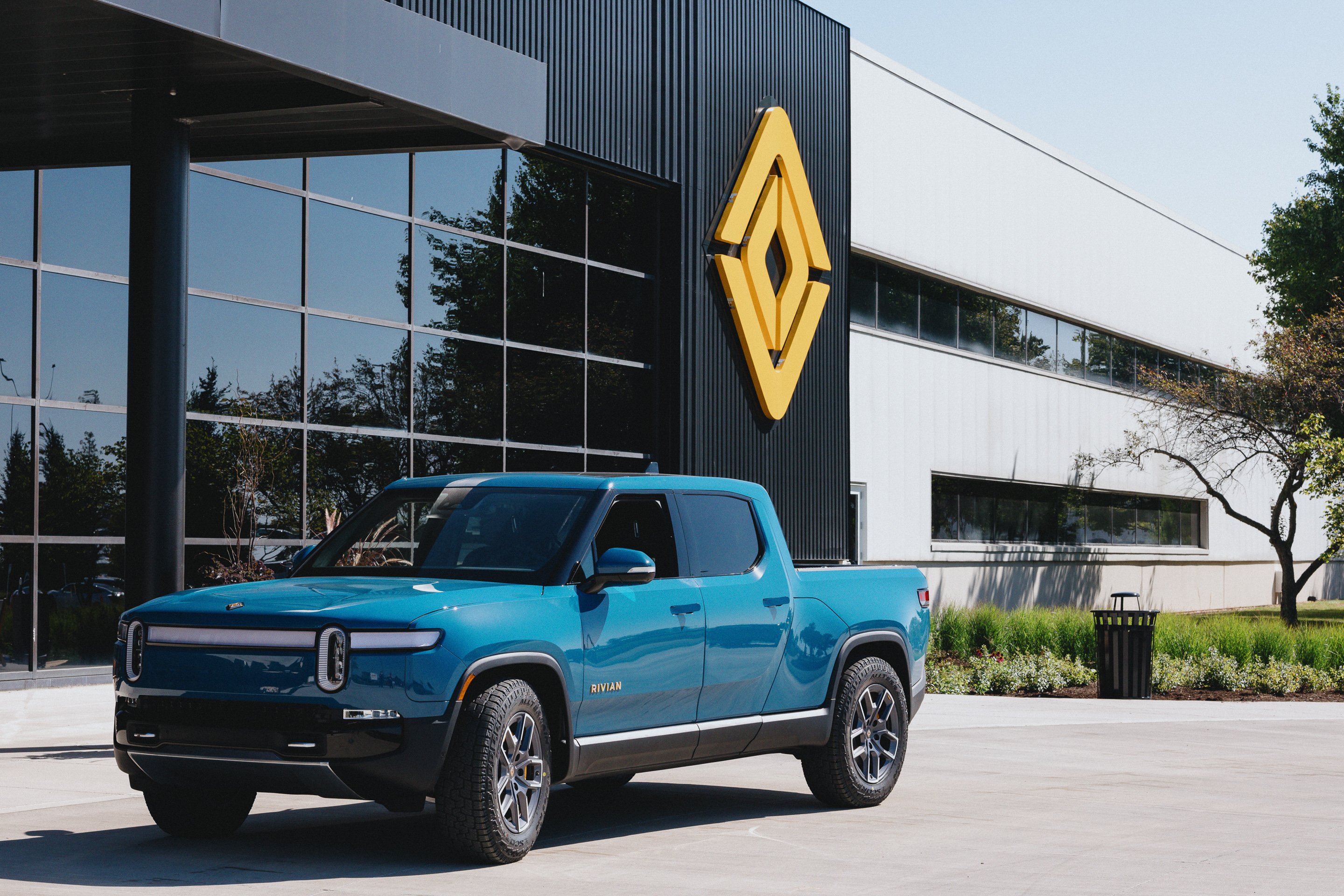
Rivian Automotive (RIVN +7.83%) hit the market with its initial public offering (IPO) and saw massive gains shortly after its debut. The company's share price hit its all-time high of roughly $172 per share less than a week after going public, but it's seen big pullback since hitting that valuation peak.
As of this writing, Rivian is trading at roughly $14 per share -- down approximately 92% from its high. Could buying into the beaten-down electric vehicle (EV) specialist deliver life-changing returns for patient investors?
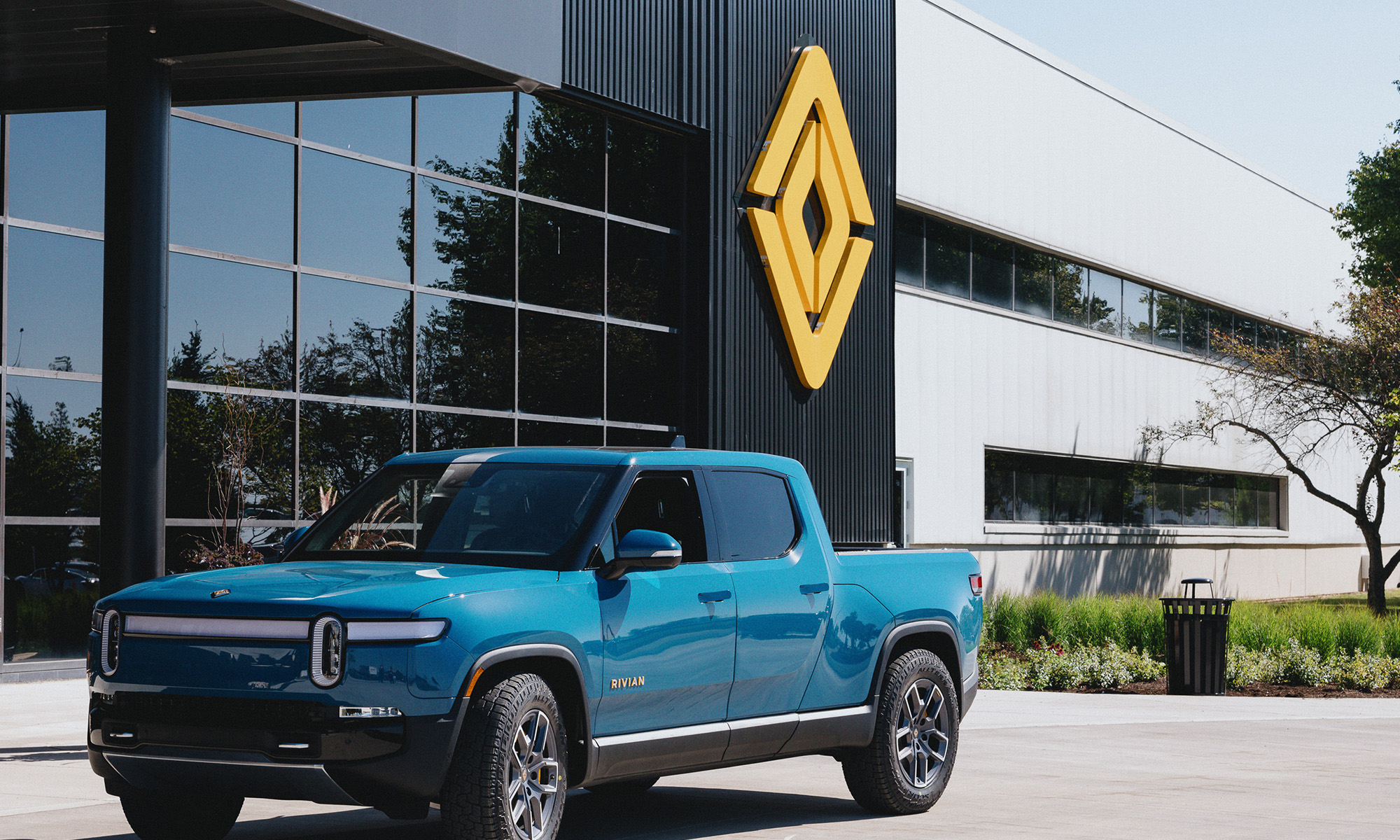
Image source: Rivian.
Putting Rivian's big valuation decline in context
Rivian went public in an environment that was highly favorable to speculative growth stocks. Interest rates were at historical lows in response to conditions created by the COVID-19 pandemic, and many investors were willing to pay high valuation premiums to own stakes in potentially explosive EV stocks. The industry and market conditions have changed significantly since the company's IPO.

NASDAQ: RIVN
Key Data Points
The EV market is growing at a much slower rate compared to 2021, and government subsidies supporting the industry have expired. In many geographic markets, EV automakers are also facing rising competition from lower-priced Chinese alternatives.
In addition to these unfavorable dynamics, Rivian's production and delivery scaling has proceeded at a much slower pace than many investors had hoped. The company delivered fewer vehicles in 2025 than it did in both 2024 and 2023, and it has yet to notch quarterly deliveries above the 15,564 that it recorded in Q3 2023. The EV specialist has also continued to issue new shares in order to help fund its operations, which has had a dilutive impact for shareholders.
Could Rivian stock set you up for life?
Rivian is on track to release the first vehicles in its new R2 platform this year, and the launch of the new EVs is poised to be an important catalyst for the company. With the release of its lower-cost R2 vehicles, Rivian will likely see a major increase in vehicle production and deliveries and see sales growth accelerate above recent levels that already looked encouraging.
Sales increased 78% year over year to reach $1.56 billion in last year's third quarter. Meanwhile, the business posted a net loss of roughly $1.1 billion and a gross profit of $24 million. For reference, the company closed out the quarter with cash and short-term investments totaling approximately $7.1 billion.
The EV upstart is burning through cash at a rapid rate, and it will likely continue issuing new shares as it records large losses. While the rollout of the company's R2 platform vehicles should lead to an acceleration of production and deliveries, the business only recently hit what's effectively a breakeven gross margin despite a sizable revenue contribution from higher-margin software-and-services offerings.
Gross margins on each vehicle sold remain in the red, and the launch of the lower-cost R2 vehicles may not be the positive margin catalyst that investors are hoping for over the next year. So while Rivian could go on to be a big winner at current prices, I wouldn't bet on the stock to set you up for life.