It's well known that the best path to financial security is buying stock in the best companies you can find and holding for years, if not decades. That said, even the most seasoned investors have had their mettle tested by economic uncertainty, growing competition, and significant volatility.
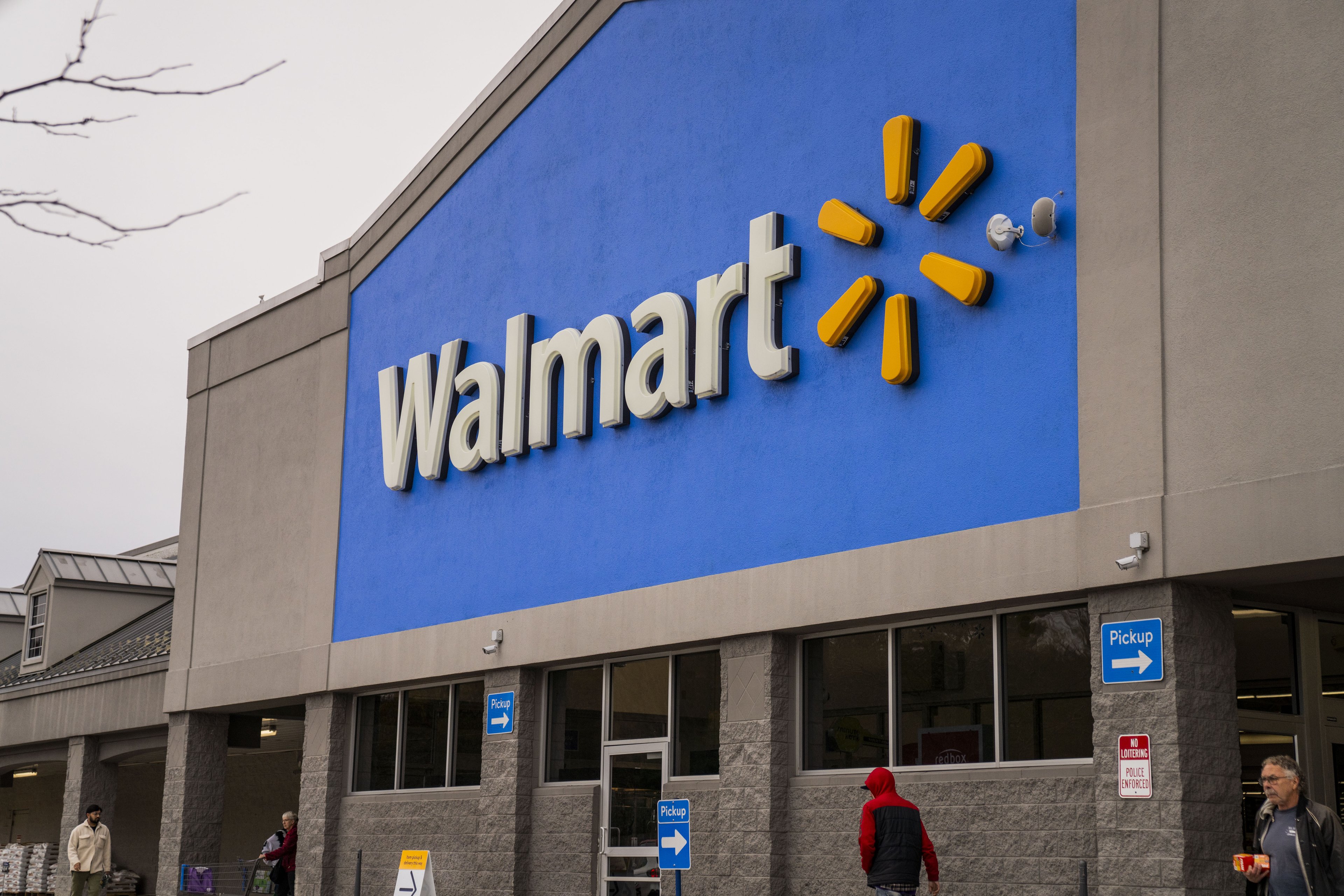
One such example is Walmart (WMT 0.83%). When the discount retailer first opened its doors in 1962, rivals dismissed it as a novelty. The concept was successful beyond founder Sam Walton's wildest dreams, and he took the company public in 1970. The stock debuted at $15 per share and ended its first day of trading at $16.50.

Image source: Getty Images.
While sticking with the stock seems like a no-brainer now, that wasn't always the case. Other discount pioneers, including K-Mart, Sears, and Toys R Us, were once the most popular stores in the country, but eventually went bankrupt as they failed to adapt to changing consumer dynamics.
Fast forward to today, and Walmart is a very different company than it was in 1962. It was forced to pivot multiple times over the years, adding groceries to its offerings, automating its supply chain, and successfully making the leap to e-commerce, all while staying true to Walton's vision of offering low prices and great value.
So Walmart's success wasn't a given. In fact, the stock has lost more than 30% of its value on multiple occasions -- shaking out the fair-weather investors -- only to come roaring back. Shareholders who held their ground have been amply rewarded.

NASDAQ: WMT
Key Data Points
For its fiscal 2026 third quarter (ended Oct. 31), Walmart generated net sales of $177 billion, an increase of 5.8%, resulting in adjusted earnings per share (EPS) of $0.62, which rose 7%. Global e-commerce sales climbed 27% as the company continues to gain market share. U.S. comps increased 4.8%, driven by transactions that climbed 1.8%, while the average ticket rose 2.7%.
Early Walmart investors have learned firsthand the value of holding for the long term. In fact, if you'd bought one share of Walmart stock for $16.50 soon after its IPO, you'd be sitting on $786,432 today (as of this writing). Even those who bought Walmart stock 10 years ago and held through the volatility have realized gains of 480%, far outpacing the 260% returns of the S&P 500.
To be fair, it would have been difficult to predict Walmart's successful navigation of the changing retail landscape, shifting consumer behavior, and its ascent to become the world's largest retailer. However, this helps illustrate the importance of staying focused on the long term and the potential for life-changing gains.