Shares of Halliburton (HAL +0.58%) have been on a tear, climbing 55% since the oilfield services company beat third-quarter earnings estimates in October. After trading near multiyear lows throughout the summer, the stock has erased all of last year's losses as the market recognizes that management's cost initiatives are taking hold and global demand is improving.

NYSE: HAL
Key Data Points
Fourth-quarter revenue was little changed sequentially and up only 1% year over year, but profitability showed signs of life despite a declining domestic rig count. In Q4, adjusted operating margins reached 15% after falling from 17% in 2024 to 13% in Q2 2025. In addition to the recent headcount adjustments, revenue from higher-margin international contracts rose, lifting operating income.
In Q3, management announced a reduction in overhead and labor expected to save the company roughly $400 million annually. Pair this with a planned pullback in this year's capital expenditures (capex) budget, and the disciplined spending should stabilize profitability and cash flow while Halliburton navigates headwinds on its home turf.
International rebound outweighs shale drag
The domestic business continues to face challenges as exploration & production (E&P) operators prioritize capital returns over production growth. In Q4 2025, North American sales dropped 7% sequentially to $2.2 billion, reflecting lower shale activity in the U.S. Currently, the region accounts for roughly 40% of Halliburton's total revenue, down from previous cycles.

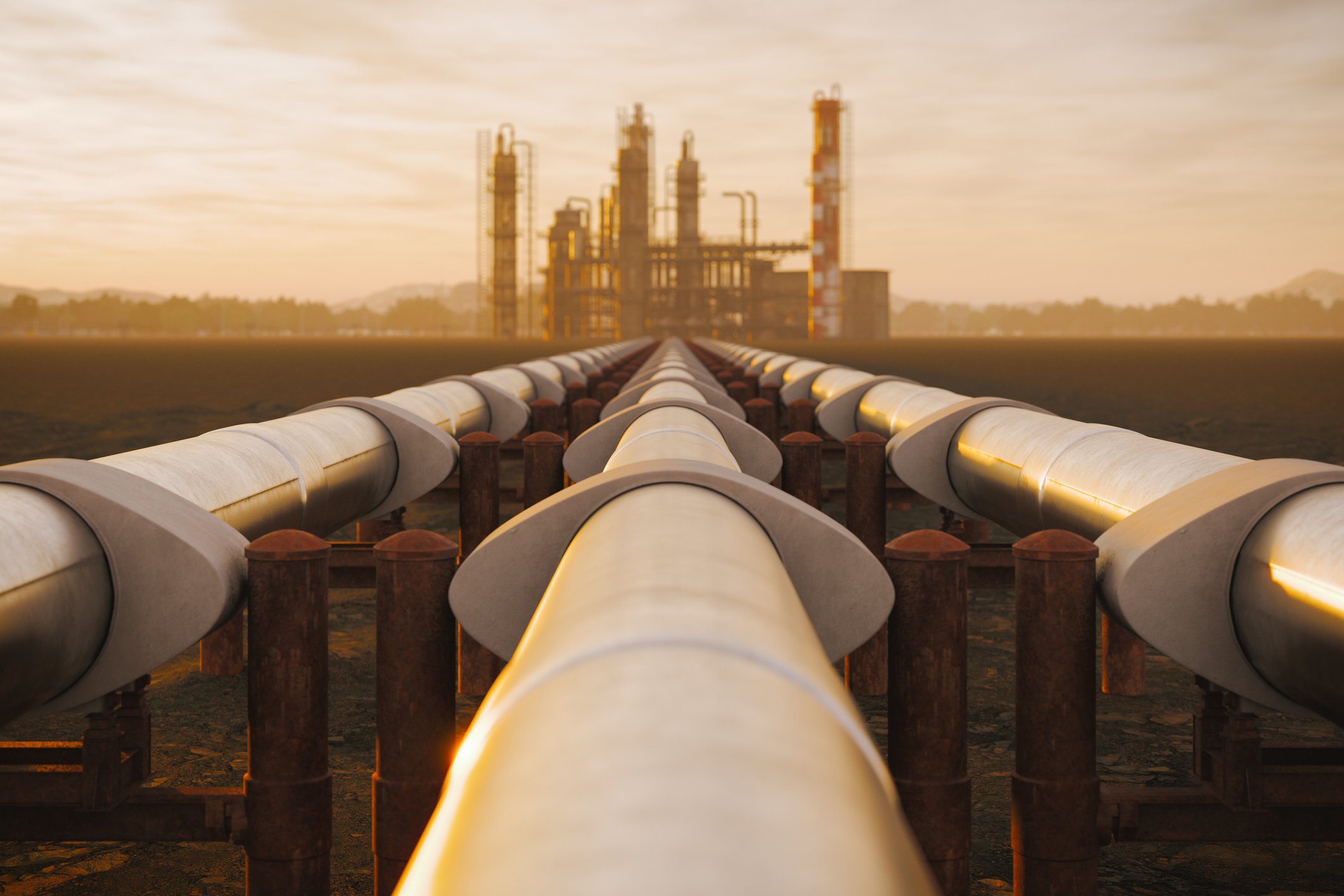
Image source: Getty Images.
Despite the weakness in its home market, international revenue rose 7% sequentially to $3.5 billion. This growth was led by the Europe/Africa region, where revenue jumped 12% due to increased tool sales in the North Sea and higher wireline activity in Africa. Latin America was another area of strength, growing 7%, led by higher tool and software sales in Brazil and Mexico.
In the Q4 2025 earnings call, Chief Executive Officer Jeff Miller noted that while he expects North American revenue to decline by "high single digits" in 2026, the international order book for completion tools reached an all-time high, fueled by deepwater and offshore projects.
Aggressive buybacks reduce shares to a decade low
Halliburton repurchased 42 million shares last year at an average price of $23.80 per share, about 30% lower than today's price. This $1 billion in buybacks continued a multiyear strategy to lower its total share count, bringing the company to its lowest level since 2014. Management expects to maintain this pace in 2026, supported by a nearly 30% cutback in capital spending.
The company pays a quarterly dividend of $0.17 per share, yielding about 2%. The payout is well covered, representing 30% of the $1.9 billion in free cash flow (FCF) generated during the year. Halliburton trades at about 15 times forward earnings, reflecting a valuation discount compared to Schlumberger's (SLB +0.00%) price-to-earnings (P/E) ratio of 17. Although the big rally has closed the gap from its lows, the current price still offers investors a fair value for a quality oilfield services company.