Michael Fiddelke succeeded Brian Cornell as Target's (TGT 1.41%) new CEO on Feb. 2. Fiddelke has been with the retailer for over 20 years, and he was most recently its COO.
Fiddelke is taking over Target after its stock stumbled nearly 40% over the past five years amid slowing sales growth, declining margins, and politically driven boycotts. Let's see what happened to Target -- and how Fiddelke plans to stabilize its business.

Image source: Getty Images.
What happened to Target?
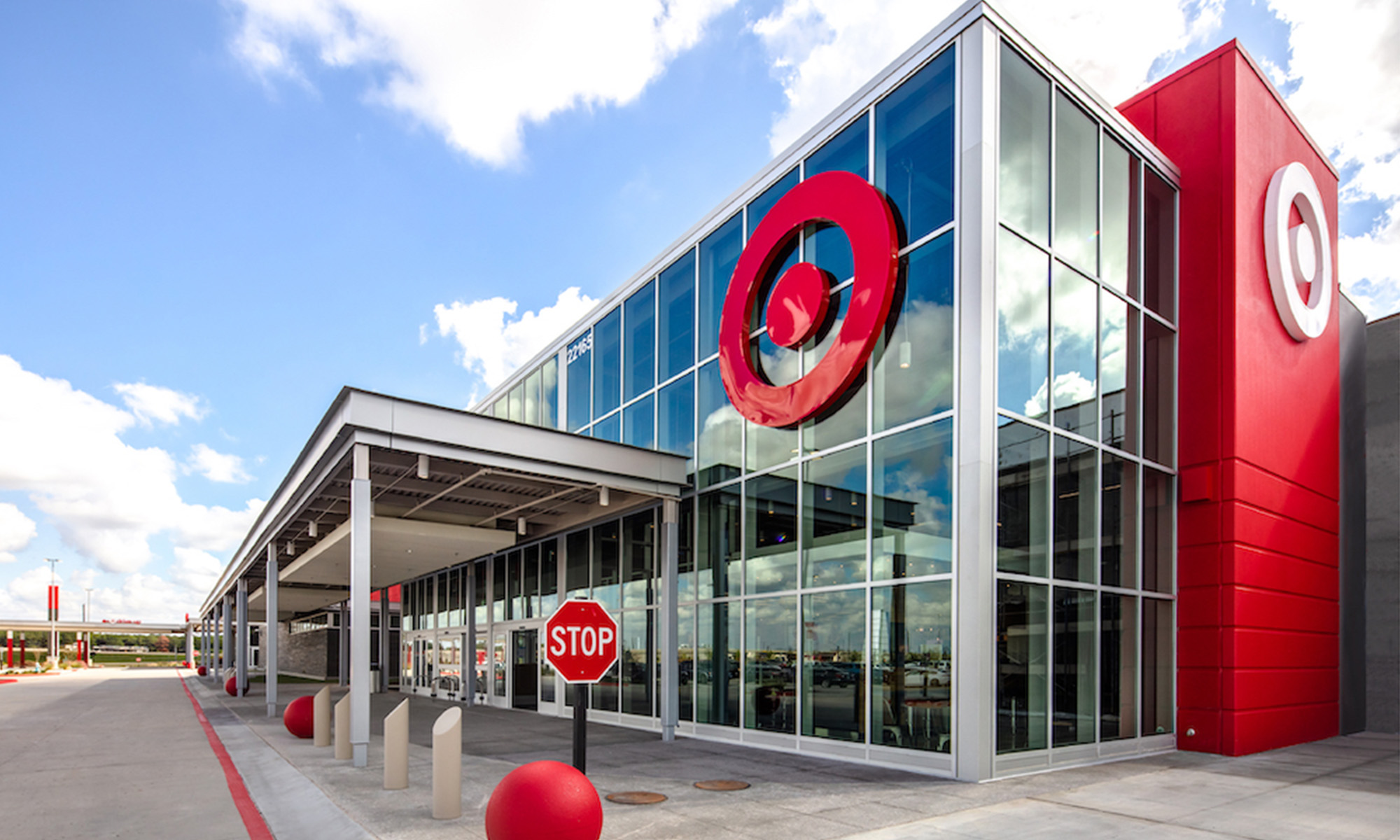
Target is still one of the largest retailers in the U.S. with 1,989 stores. More than three-quarters of the U.S. population lives within ten miles of one of those locations.
Back in fiscal 2020 (which ended in Feb. 2020), Target's comparable store sales soared 19.3% as the pandemic generated robust tailwinds for its online marketplace. That momentum didn't last: its comps grew 12.7% in fiscal 2021 and 2.2% in fiscal 2022, but declined 3.7% in fiscal 2023 and increased just 0.1% in fiscal 2024. Its comps also fell year over year in the first three quarters of fiscal 2025, and it expects a "low-single digit" decline for its full-year sales.

NYSE: TGT
Key Data Points
That slowdown can be attributed to the inflationary headwinds for consumer spending, intense competition, sluggish sales of larger products (including appliances, TVs, and outdoor furniture), supply chain disruptions, and a rising "shrink rate" from shoplifters. It's also faced boycotts from left- and right-leaning groups over its elimination of diversity, equity, and inclusivity (DEI) initiatives, its sale of LGBTQ-themed merchandise, and its divisive response to the recent ICE raids.
To reduce its inventories and grow its sales again amid all that turmoil, Target relied heavily on margin-crushing markdowns. As a result, its EPS grew at an anemic 0.6% CAGR from fiscal 2020 to fiscal 2024, and analysts anticipate an 11% decline in fiscal 2025.
How will Fiddelke overcome those challenges?
Before handing the reins to Michael Fiddelke, Brian Cornell launched a new 5-year plan to generate at least $15 billion in fresh sales growth by 2030. To achieve that goal, Target is expanding its e-commerce marketplace, upgrading its AI-powered pricing and recommendation tools, "reimagining" some of its higher-growth product categories, offering new perks to its Circle 360 subscribers, and even opening new brick-and-mortar stores.
Fiddelke will probably stick with those long-term plans. But after taking over, he's already initiated a shake-up of Target's executive teams, eliminated 500 corporate roles, and increased its staffing in some stores to improve the customer experience. Fiddelke also wants Target to differentiate itself from competitors by offering more carefully curated products. Investors should keep a close eye on that progress and see if they can revive its ailing stock.