Shares of Rivian Automotive (RIVN 1.90%) jumped about 10% in premarket trading on Thursday following news of a massive cash injection from ride-hailing giant Uber Technologies (UBER +0.84%). The electric-vehicle maker is getting a well-timed financial boost to build out its autonomous fleet. But does this high-profile partnership make the struggling automaker's stock a buy?
On the surface, the deal looks like a big win for Rivian -- and it is. The company secures fresh capital and a guaranteed buyer for tens of thousands of its upcoming vehicles. But an improvement in Rivian's prospects doesn't automatically make the stock a buy.
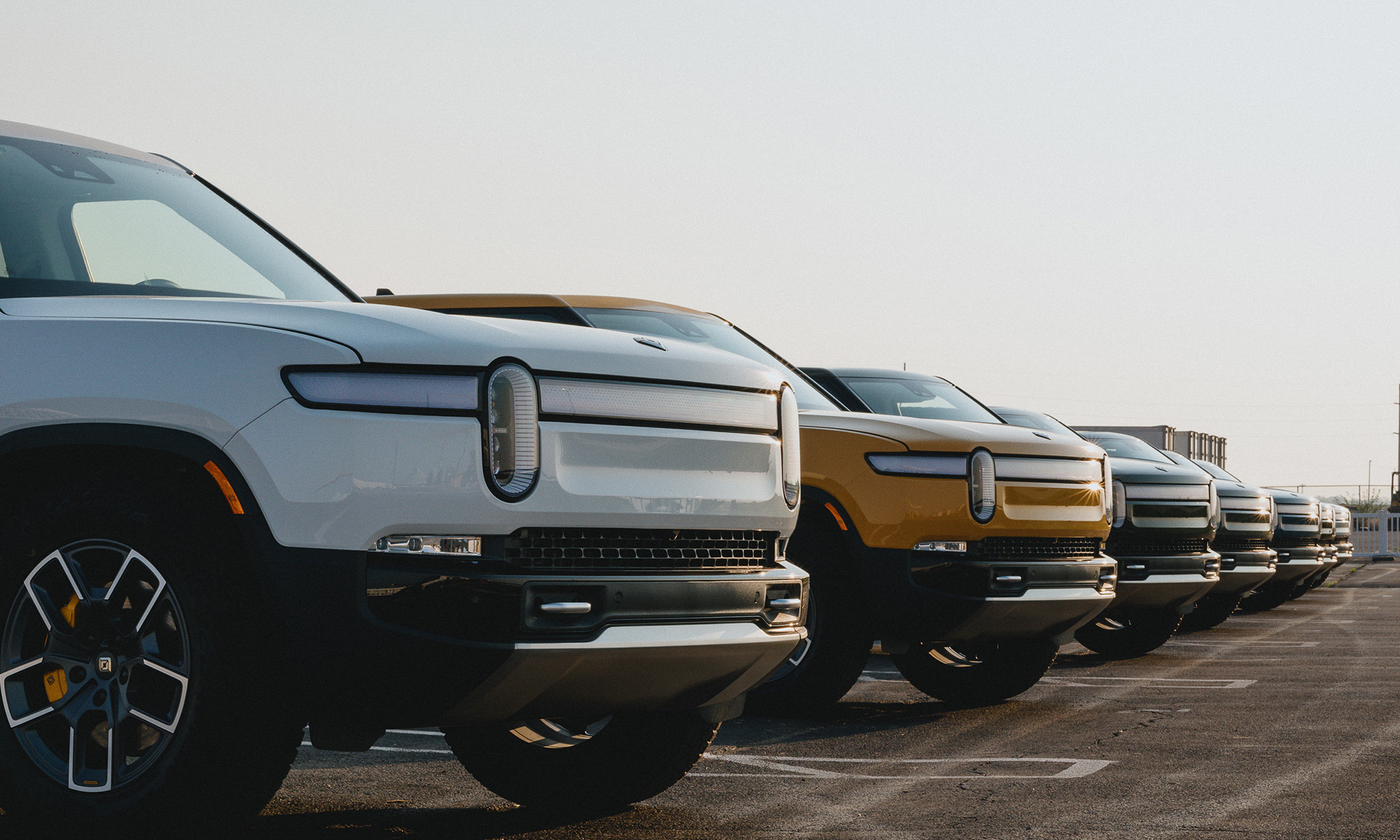
Image source: Rivian.
A bold robotaxi push
The details of the partnership highlight a significant commitment from Uber. The ride-hailing company plans to invest up to $1.25 billion in Rivian through 2031 to help launch a fleet of autonomous vehicles. Kicking things off, Uber has already committed an initial $300 million. The remaining capital is subject to Rivian achieving certain autonomous performance milestones by specific dates.
If things go according to plan, Uber or its fleet partners are expected to purchase 10,000 fully autonomous Rivian R2 robotaxis in the first phase of the deployment. The companies also have the option to negotiate the purchase of up to 40,000 additional vehicles beginning in 2030. Initial commercial deployments are slated to begin in San Francisco and Miami in 2028, with the goal of expanding to 25 cities across the U.S., Canada, and Europe by 2031.

NASDAQ: RIVN
Key Data Points
Rivian is clearly thrilled to have a massive distribution network for its self-driving technology.
"We couldn't be more excited about this partnership with Uber," said Rivian CEO RJ Scaringe in the press release announcing the deal. The partnership will "help accelerate our path to level 4 autonomy to create one of the safest and most convenient autonomous platforms in the world."
For Rivian, this means accelerating the rollout of its third-generation autonomy platform, which the company announced in December. This third-generation autonomy platform uses Rivian's in-house chip technology and a multi-modal sensor system to power its artificial intelligence (AI) compute performance.
Why Rivian stock remains too risky
This tie-up arguably slightly enhances the investment thesis for Rivian stock. Securing up to $1.25 billion in funding provides a buffer as the company navigates the expensive transition toward its next-generation R2 vehicles.
But the reality of the automotive business remains brutal. Building cars and developing AI hardware requires staggering amounts of capital. Even with this cash injection, Rivian is still far from generally accepted accounting principles (GAAP) profitability. Uber's Q4 net loss was $804 million, bringing its total 2025 net loss to about $3.6 billion. In addition, Rivian's fourth-quarter free cash flow was negative $1.1 billion.
The company is burning through cash to scale its manufacturing and stay competitive in the rapidly evolving electric vehicle market.
Because of this capital-intensive nature, this $1.25 billion is just a drop in the bucket compared to what the company will likely need to thrive long-term. Yet even as it burns through cash, the company commands an impressive market capitalization of about $20 billion as of this writing.
Uber is de-risking its future
The bigger winner here may be Uber.
Instead of spending tens of billions of dollars trying to build its own autonomous vehicles from scratch, Uber is letting other companies take on the hardware risk.

NYSE: UBER
Key Data Points
And this Rivian deal is not an isolated event. It adds to Uber's recent move to partner with Amazon's autonomous vehicle unit, Zoox. Just last week, the companies announced a strategic partnership to deploy Zoox's purpose-built robotaxis on the Uber app in Las Vegas this summer, with an expansion to Los Angeles planned for 2027.
Uber seems to be simultaneously de-risking its business and expanding its market opportunity with these partnerships. By integrating Waymo, Zoox, and now Rivian vehicles into its app, Uber is positioning its platform as the indispensable demand-generation engine for the autonomous era. And unlike Rivian, the company is rolling in cash. Uber's 2025 free cash flow was $9.8 billion -- impressive for a company with a market capitalization of about $157 billion as of this writing.
In short, Uber is generating significant cash flow while outsourcing the most difficult and expensive parts of the autonomous transition.
I think this partnership is a win-win, but I ultimately believe Uber's capital-light approach to the future of transportation makes it the far superior investment. On the other hand, I think Rivian's path is simply too capital-intensive to justify buying the stock today.