It seems like everyone is talking about oil prices. That makes sense, given the geopolitical conflict in the Middle East. However, the conversation about the conflict's impact needs to expand a bit. And you could start seeing the impact in the grocery aisle sooner than you may think, and for longer than you may believe. Here's what you need to be thinking about as an investor when it comes to inflation.
The Federal Reserve is walking a tightrope
The Federal Reserve has been holding interest rates steady despite the conflict in the Middle East, which has pushed oil and natural gas prices higher. One big reason is that oil prices are volatile, and an end to the conflict could lead to a sharp reversal in energy costs. If that were to happen, the pressure from rising prices would prove temporary.

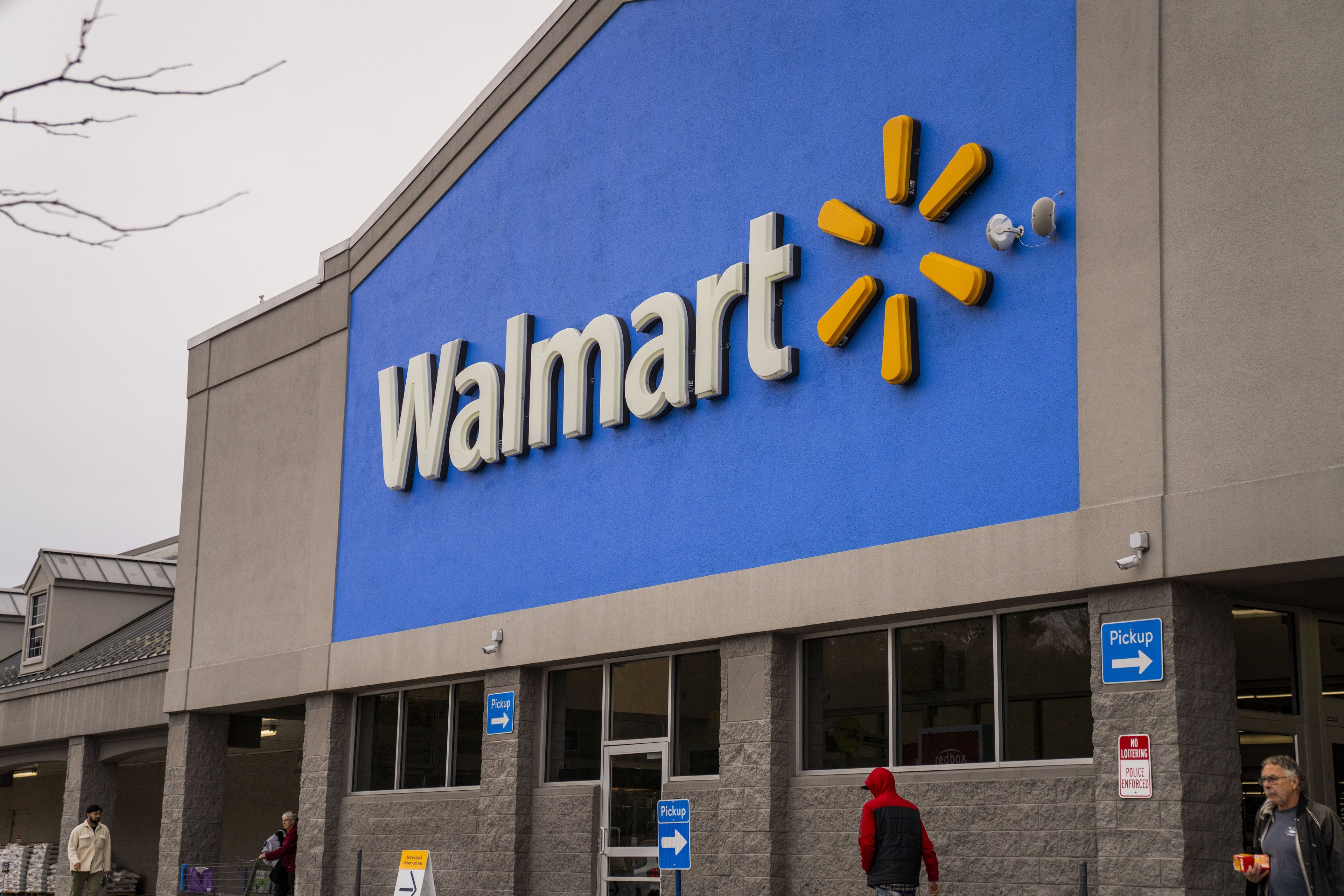
Image source: Getty Images.
A move to address the impact of a temporary energy price surge would likely create more problems than it solves. And yet, the longer the Federal Reserve waits to address inflation caused by higher energy prices, the harder it will be to address. There is no easy answer.
Food is the factor that could force the Federal Reserve to act
While rising oil and natural gas prices may not be enough to make the Federal Reserve act, it may not have a choice if food inflation takes off again. You are already seeing the first factor that could push food prices higher: transportation costs. Transportation companies across the economy are adding fuel surcharges, and those charges will eventually be passed on to consumers.

NASDAQ: AMZN
Key Data Points
For example, online retail giant Amazon (AMZN +3.23%) is charging third-party sellers a 3.5% transportation and logistics fee. It likely won't take long for sellers on Amazon to raise their prices enough to cover their additional costs.
And if Amazon is charging third-party sellers that fee, the company's own sales are being impacted, too. Companies from Conagra Brands (CAG 0.71%) to Walmart (WMT 0.93%) are facing the same transportation cost issues. That, however, is an example of the first-order impact of higher energy prices. Natural gas is also used to make the fertilizer that helps support strong crop yields.

NYSE: CAG
Key Data Points
Higher prices for these vital plant nutrients will also ripple through the economy, beginning with higher ingredient costs. There are two potential issues, and both are problematic. First, higher ingredient costs will be passed through to food companies like Conagra and eventually to consumers. However, ingredient supply could also become a problem if farmers decide not to buy as much fertilizer, or if they simply can't buy enough to meet their needs. That would likely result in lower crop yields, a problem that couldn't be addressed until the next growing season.

NASDAQ: WMT
Key Data Points
Conagra is already experiencing margin pressure, with adjusted operating margin down 210 basis points year over year in the fiscal third quarter of 2026. It will likely act quickly to protect its margins, which will force even giant retailers like Walmart to raise prices as they look to protect margins. Walmart's gross margin improved just eight basis points in 2025, so there's not a lot of room to absorb rising product costs.
The grocery aisle is a problem the Fed can't ignore
Food prices don't change as quickly as gasoline prices, so higher grocery prices could linger. And that would put a greater damper on the economy. If the Federal Reserve comes to believe that the impact of the Middle East's geopolitical conflict is spreading to food, it may have no choice but to act. If you are focused primarily on oil prices right now, you might want to start keeping a closer eye on fertilizer and food.