The latest popular stock I'm looking at in my series of "bull vs. bear" articles is Apple (AAPL 0.76%). The stock has been a favorite of famed investor Warren Buffett, although Berkshire Hathaway was reducing its stake in the iPhone maker before Buffett retired as the financial conglomerate's CEO.
The stock has been a solid performer the past few years, so let's see if this can continue.
The bull case
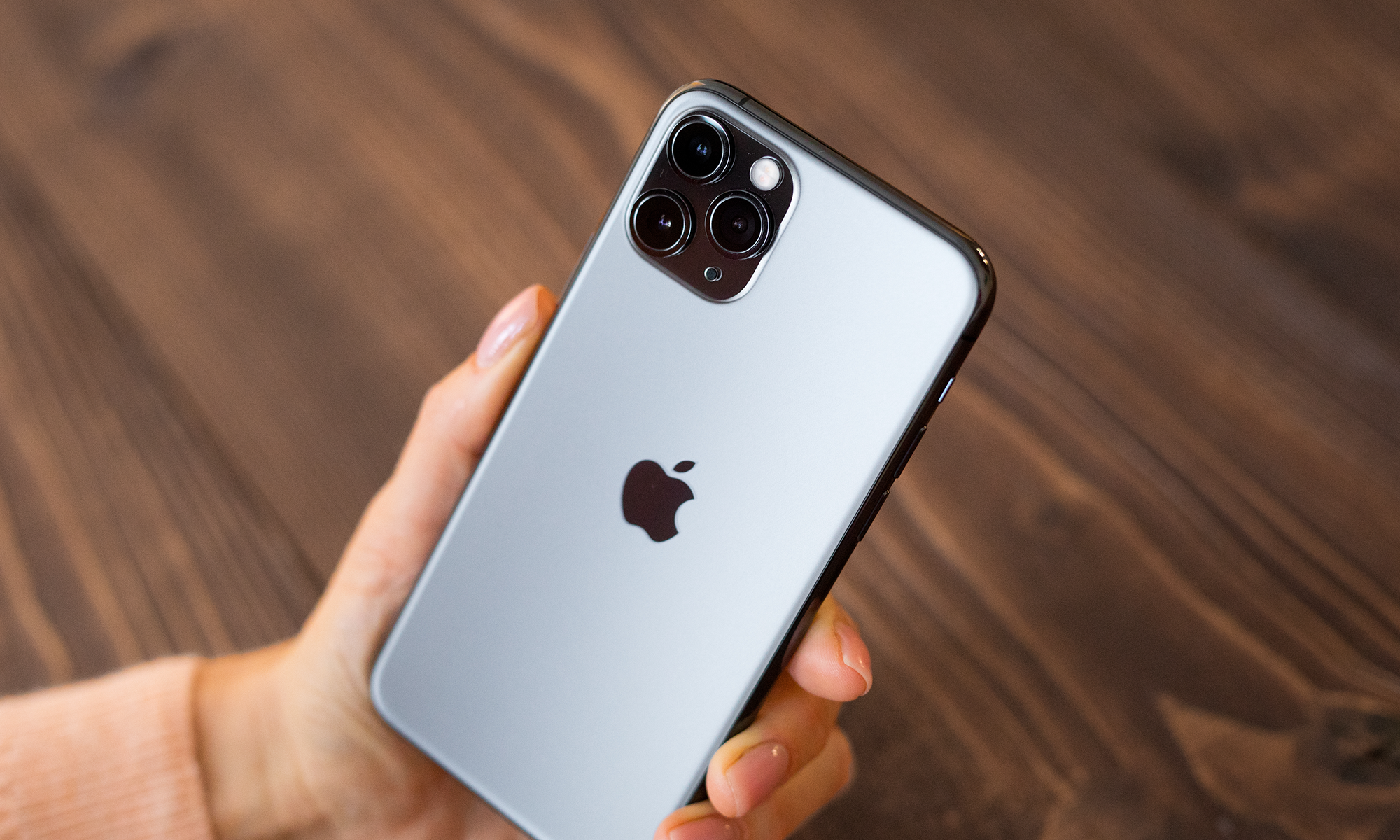
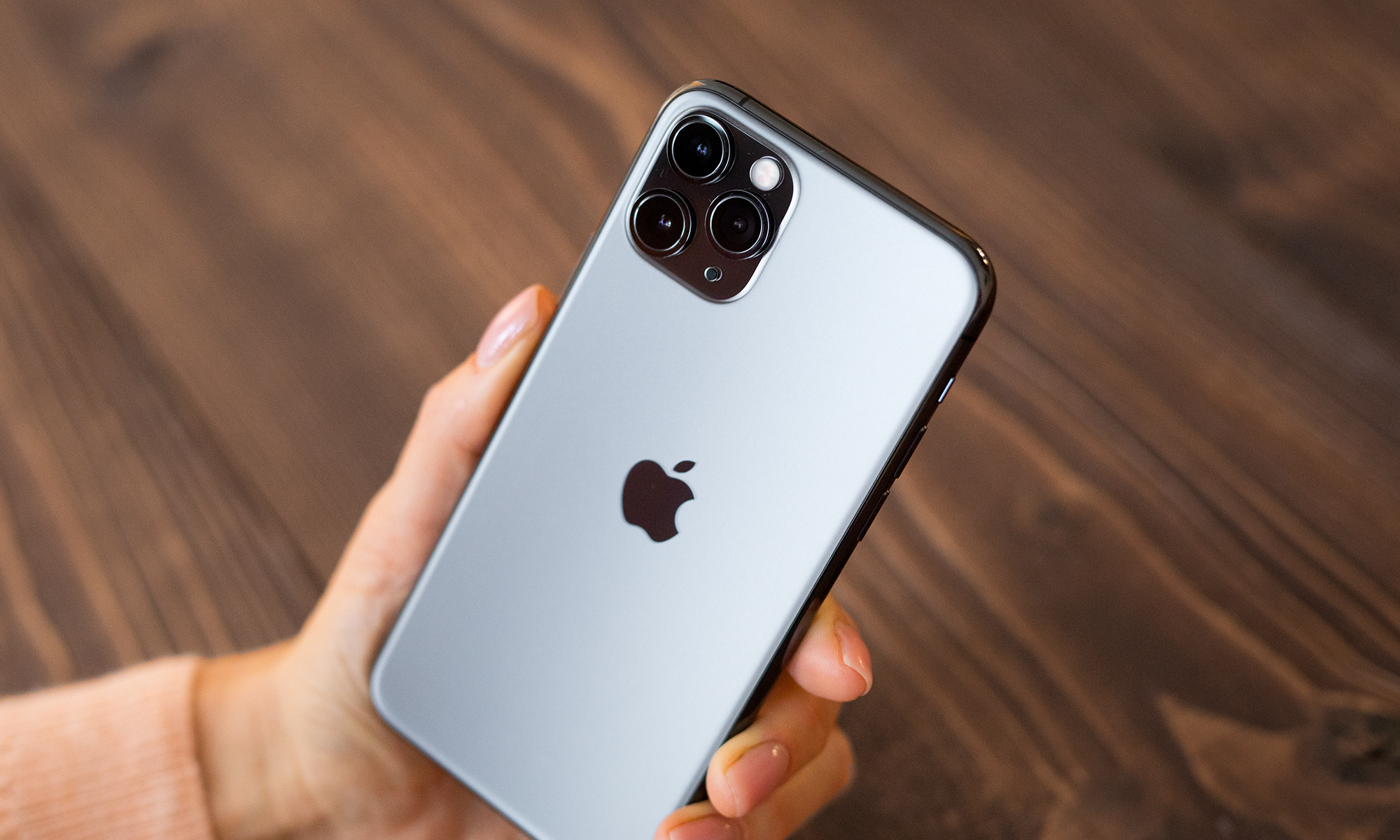
Apple has been able to do what few electronics companies have been able to accomplish: become a luxury marque brand. From a global perspective, many more consumers have Android-based smartphones (about 70%). However, Apple dominates the high-end market and has a much more affluent customer base. Its phones tend to cost between 30% and 50% more than comparable Android models and are generally positioned as stylish, premium products.
Image source: The Motley Fool.
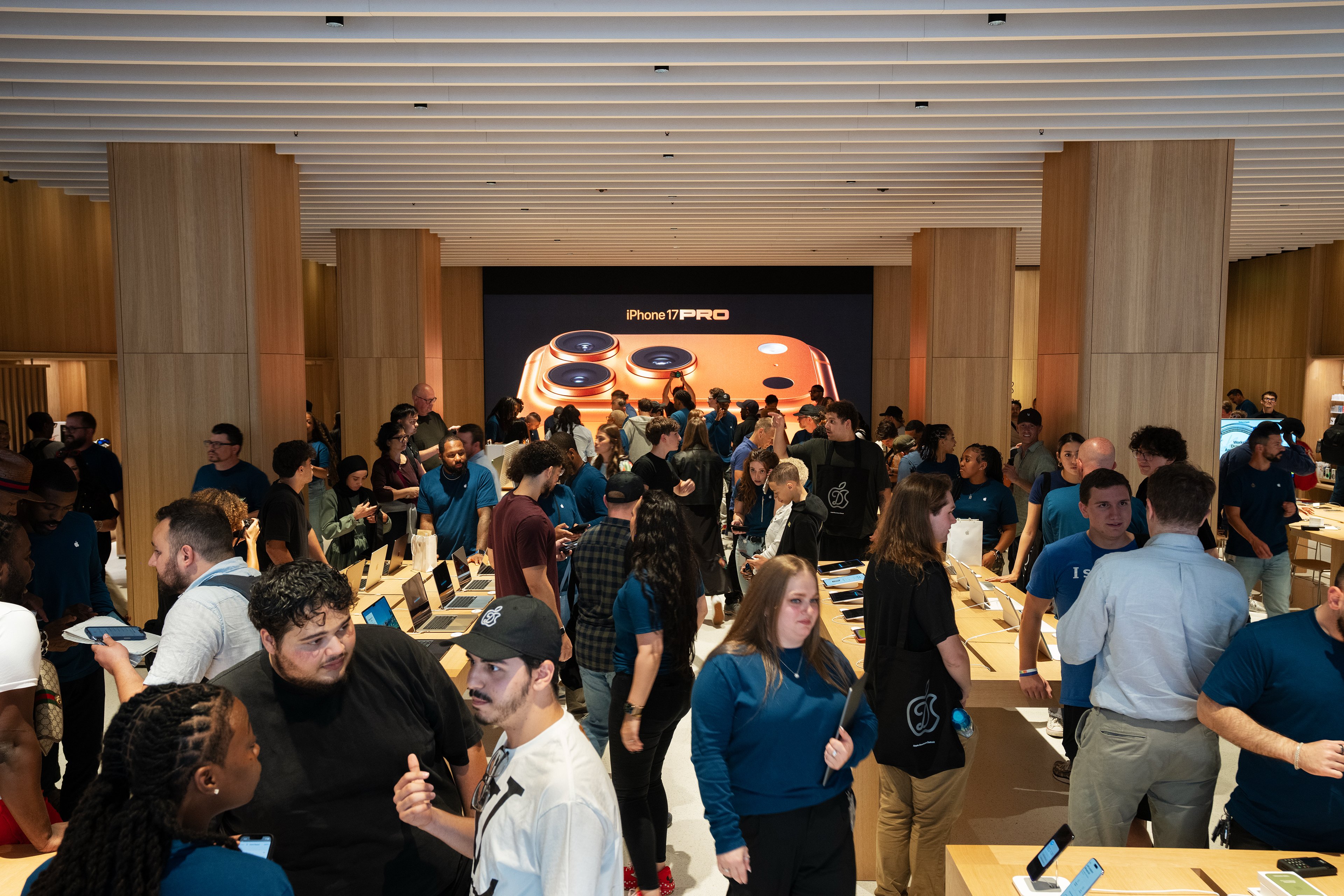
The iPhone's positioning at the high end of the luxury phone market plays an important role in Apple's business model. These consumers tend to upgrade their phones more frequently and predictably, giving Apple a solid revenue stream from replacement cycles. More importantly, though, these consumers are more apt to buy high-gross margin subscriptions and services, which lock them into the Apple ecosystem. These affluent customers also spend a lot of money, which also feeds into Apple's fast-growing digital wallet, Apple Pay.
The great thing about Apple's business model is that once consumers buy an Apple device, they quickly get locked into its ecosystem. For every photo they take, app they download, and subscription they buy, it becomes more difficult to break away. Its iPhones and other devices now essentially serve as the gateway to drive its high-margin services and payments businesses. Let's also not forget that the company gets a huge chunk of money from Alphabet with its revenue-sharing deal for Google to be the default search engine on its devices.
All this just makes Apple one of the best-compounding businesses in the world.
The bear case
Under founder and former CEO Steve Jobs, Apple was an innovator. The introduction of the iPod sparked a renaissance for the company, while the iPhone propelled it to become one of the biggest and most important companies in the world. Meanwhile, devices like the iPad and MacBook Air helped draw consumers to its ecosystem. Even shortly after Jobs' death, the Apple Watch became a big hit.
However, Apple is no longer a product innovator. The company hasn't had a truly impactful new product since introducing AirPods a decade ago in 2016. AirTags, introduced in 2021, have been successful, but they are not a big needle mover, while the Vision Pro, revealed in 2023, was just too expensive to gain any mainstream adoption.
Meanwhile, competitors have led the charge when it comes to pushing smartphone technology, with Apple now generally more of a follower. An example of this is that Apple is now only looking to introduce a foldable iPhone, which is something that competitors have offered since 2019.

NASDAQ: AAPL
Key Data Points
At the same time, the company has struggled to keep pace in the AI arms race. While it has smaller on-device AI models for basic tasks, Apple notably turned to Alphabet's Gemini to power Siri's more complex reasoning. This reliance on a competitor's foundation AI model reinforces the idea that Apple is playing catch-up in a field it once led with the original launch of Siri.
Much of Apple's solid stock performance over the past decade, meanwhile, can be attributed more to multiple expansion than earnings growth. Its trailing price-to-earnings (P/E) ratio has gone from around 10 to over 30 in the past decade.
The verdict
Despite its lack of recent product innovation, Apple has one of the best business models around. It's got a locked-in customer base, and its earnings growth should compound for decades. For that reason, I don't think it needs to lead on this front.
However, the stock isn't cheap, with a forward P/E of nearly 31. If you own the stock, I'd hold on, as this is a stock that will work over the long term. That said, if I'm a new-money buyer, I'm waiting for a dip before buying.