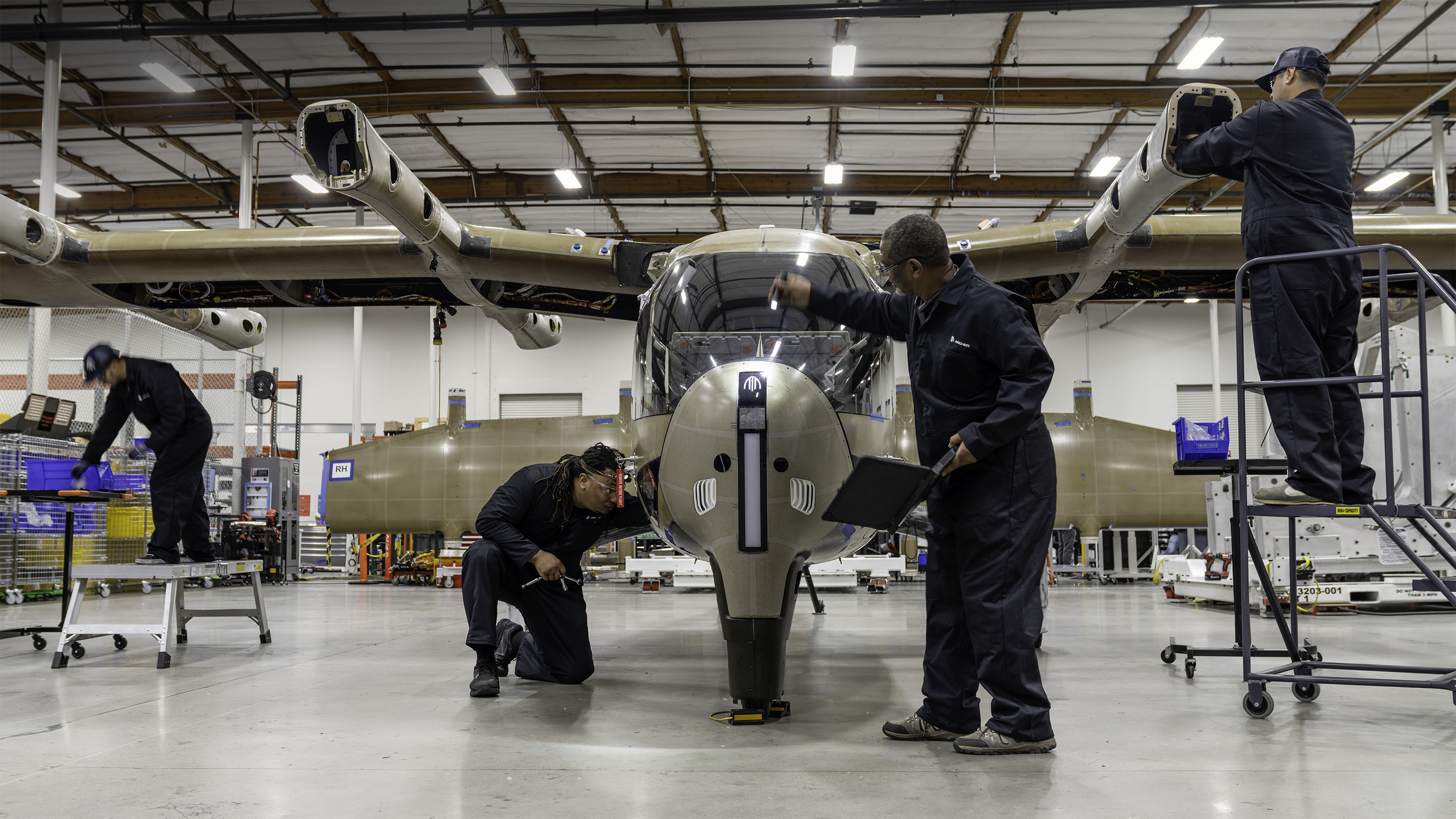
Archer Aviation (ACHR 3.80%) sits at the center of one of the most ambitious ideas in transportation: flying taxis. Its electric vertical takeoff and landing (eVTOL) aircraft aim to move passengers across cities in minutes, potentially transforming how people travel in congested urban areas.
The opportunity is massive. Some estimates suggest urban air mobility could grow into a trillion-dollar market over the coming decades. If that vision becomes reality, early leaders, like Archer, could benefit significantly.
Most investors focus on the massive opportunity ahead. But they may be overlooking three key factors that could shape the stock returns over the next few years.

Image source: Getty Images.
A massive opportunity, but still theoretical
Archer is chasing a market that barely exists today. That cuts both ways.
On the one hand, the upside is enormous. If eVTOL aircraft become a viable mode of transport, companies like Archer could operate fleets, sell aircraft, and build recurring revenue streams across multiple cities and countries. The long-term potential is hard to ignore.
On the other hand, the market remains largely theoretical. No company has yet proven that urban air mobility can scale profitably. Regulators are still defining certification frameworks. Infrastructure such as vertiports -- specialized infrastructure designed for the takeoff, landing, and charging of eVTOL aircraft -- is still under development.
In other words, the size of the opportunity is not the same as the certainty of the outcome. For Archer, that means it has to literally build its own market in the years, if not decades, to come.

NYSE: ACHR
Key Data Points
Product-market fit is still in its early stages
Archer has made meaningful progress on its Midnight aircraft, advancing flight testing and moving closer to certification. It has also lined up partnerships with airlines, governments, and infrastructure providers. But none of that confirms product-market fit. Real product-market fit requires more than interest. It requires paying customers, repeat usage, and clear economics.
So far, Archer has not reached that stage. It had 0 revenue and a net loss of $618 million in 2025. That means it has not launched commercial service, nor demonstrated consistent demand at scale. And it has not proven that its pricing model can support long-term profitability. Even if early passenger services begin in 2026 (which it aims to achieve), the company will still need to answer key questions:
- Will customers adopt air taxis at meaningful volumes?
- Will pricing support margins after operating costs?
- Can the service scale beyond niche use cases?
In short, Archer remains in the early phase of validating its business model, and huge uncertainties remain.
Dilution remains a critical part of this stock
Archer has done a strong job raising capital. The company now holds a large cash position (around $2 billion), buying it extra time to complete certification, scale production, and launch early operations.
But that capital came at a cost. Particularly, the company raised significant funds through equity issuance, diluting existing shareholders in the process. Given its current burn rate, additional capital raises are likely within the next two years.
This is not unusual for early stage, capital-intensive businesses. But it does affect investor returns. Even if Archer succeeds operationally, ongoing dilution could limit upside for shareholders who buy the stock today. Investors need to separate the two ideas:
- The company succeeding
- The stock is delivering strong returns
They are not always the same, especially when dilution is involved.
So, is Archer Aviation stock a buy?
The answer depends on your investment style. Archer is not a traditional investment based on earnings, cash flow, or established demand. It's a forward-looking bet on a new category of transportation, one that could take years to fully develop.
For long-term investors with high risk tolerance, Archer may qualify as a speculative buy. The upside is significant if the company executes well and the industry takes off. But that upside comes with volatility. Certification timelines may shift, costs may rise, and competition may intensify. And dilution may continue along the way.
Even for investors willing to stomach the risk, it's not prudent to hold it as a core position. At best, it should account for only a minority of the total portfolio.