Large companies get a lot of attention because it generally takes many years of consistency to reach that point. They're often well-established businesses worth investing in, but they're not the only companies investors should consider. Having a well-rounded portfolio includes investing in companies of different sizes.
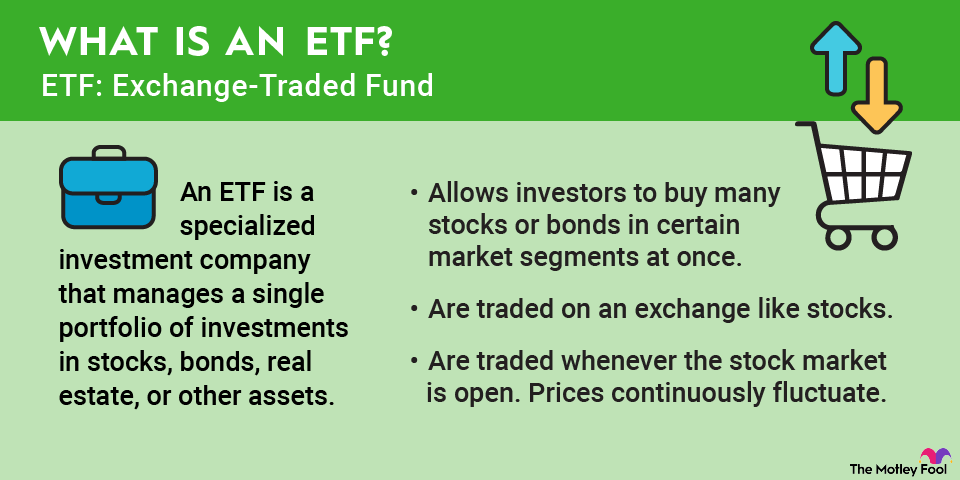
Investing in small-cap stocks is a way to capitalize on a growing segment of companies. You don't have to take on the risk that comes with investing in individual small-cap stocks, either. You can invest in a small-cap exchange-traded fund (ETF) that covers a lot of ground in a single investment.

Image source: Getty Images.
When small-cap stocks tend to outperform the market
There's generally a trade-off people make when investing in small-cap stocks. They're usually more volatile than larger companies because they're more sensitive to broader economic conditions. However, their small size leaves much room to grow as companies scale.
There are exceptions -- such as companies in a special niche -- but that's broadly how it works.
Small-cap stocks generally outperform the market when interest rates are falling, the economy is in the early stages of recovery, or when the economy's main industry is struggling (like tech has been this year).
A good example is the start of this year, with the Russell 2000 outperforming the S&P 500. Through market close on April 16, the Russell 2000 is up 8.4% compared to the S&P 500's 2.7%.

NASDAQ: VTWO
Key Data Points
Why go with the Vanguard Russell 2000 ETF?
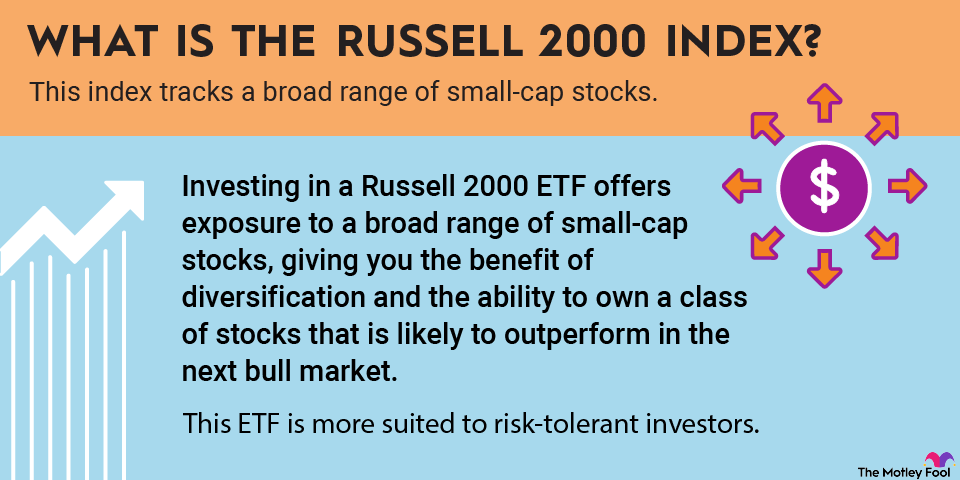
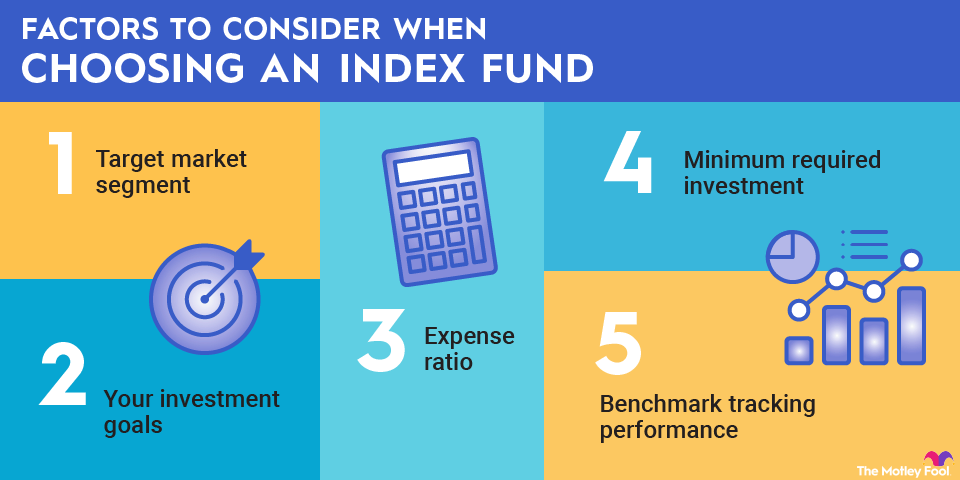
The Russell 2000 is to small-cap stocks what the S&P 500 is to large-cap stocks. It's the index for them, tracking the smallest 2,000 companies in the Russell 3000 index. The Vanguard Russell 2000 ETF (VTWO -0.62%) is a low-cost way to invest in the Russell 2000 index, with an expense ratio of only 0.06% (or $0.60 per $1,000 invested).
When you invest in VTWO, you're getting exposure to nearly 2,000 small-cap stocks from every major sector. Here's how the ETF is divided:
- Industrials: 19.7%
- Health Care: 17.2%
- Financials: 16.2%
- Technology: 11.6%
- Consumer Discretionary: 10.9%
- Energy: 6.1%
- Real Estate: 5.8%
- Basic Materials: 4.8%
- Utilities: 3.4%
- Telecommunications: 2.6%
- Consumer Staples: 1.7%
It's much more diversified than indexes like the S&P 500 or Nasdaq-100, where the tech sector accounts for a large share (32% and 60%, respectively). This diversification ensures that your returns aren't too dependent on big tech's performance.
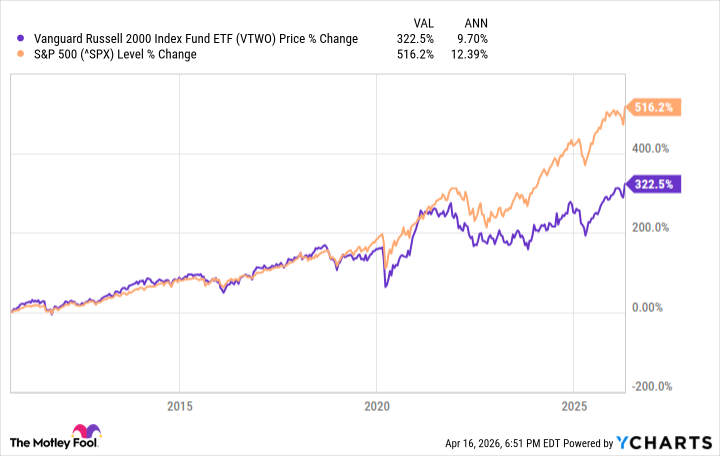
No company in VTWO accounts for 1% or more of the ETF. That's a stark difference from the S&P 500, where Nvidia alone accounts for over 7.5% of the 500-plus-stock index. VTWO has underperformed the S&P 500 since its September 2010 inception (mostly thanks to the growth of large tech companies), but its returns have still been respectable in that span.
The role the Vanguard Russell 2000 can play in your portfolio
I still recommend keeping most of your portfolio in large-cap stocks because they offer greater stability and lower long-term risk. That said, small-cap stocks can play a key role in your portfolio.
I personally try to keep small-cap exposure in my portfolio to no more than 10%, allowing me to benefit from their growth opportunities and hedge against the heavy tech concentration in the S&P 500, while not being overly exposed to their volatility.