The electric vehicle and robotaxi company Tesla (TSLA +8.49%) reported its first-quarter earnings report last night, followed by a conference call led by Founder and CEO Elon Musk.
Investors are mostly focused on the burgeoning robotaxi business and full self-driving (FSD) technology. I thought Musk delivered bad news to shareholders on most fronts, although shares are only down about 2.5% as of 12:45 p.m. ET, so investors may not have been totally surprised by some of the news.
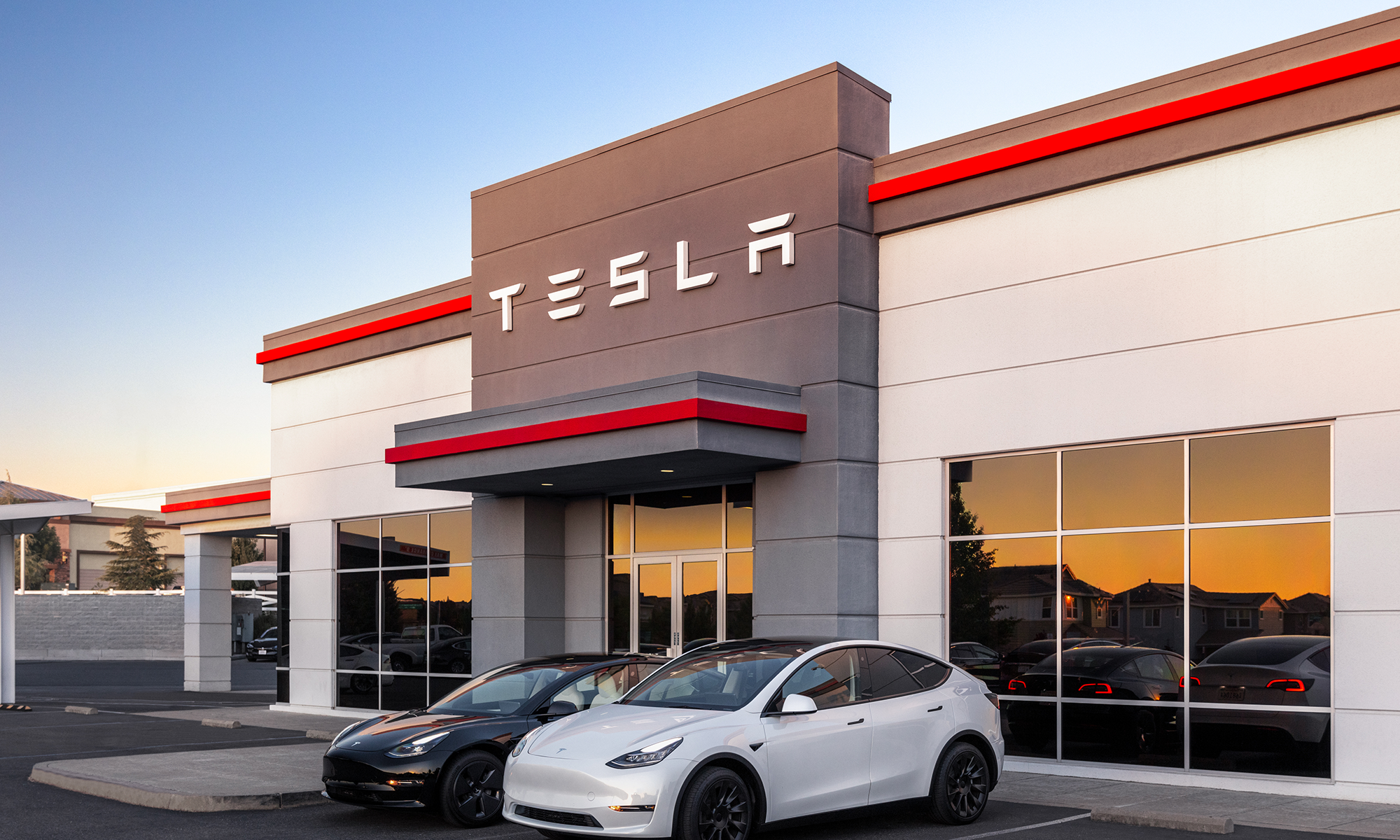
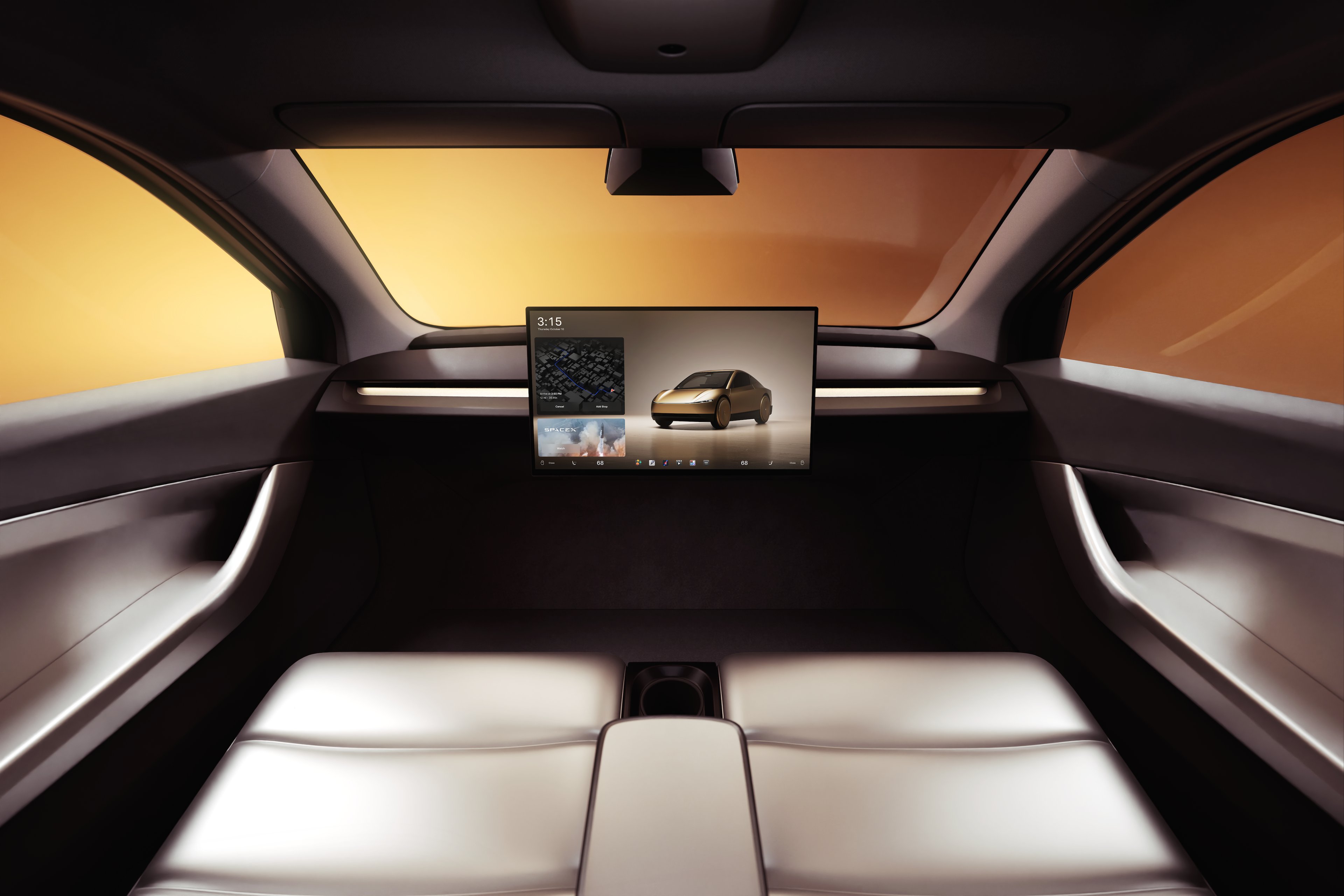
Image source: Tesla.
After all, Musk is known to have pushed timelines on numerous occasions.
The company raised its guidance for full-year capital expenditures, lowered expectations for the robotaxi fleet, and also noted that Tesla owners with dated vehicles will need to upgrade their hardware if they want to use FSD software, which still does not seem ready to be used fully unsupervised, at least at scale, according to Musk.
Here is what investors need to know.
Several issues implementing FSD
While intertwined, Tesla's robotaxi fleet and FSD represent different aspects of the business: individual owners can purchase FSD software for their Teslas, while the robotaxi fleet aims to operate as an autonomous ride-hailing fleet.
On Tesla's first-quarter earnings call, Musk more or less acknowledged that Tesla's unsupervised FSD technology is still not quite ready for deployment at scale, whether to individuals or the robotaxi fleet.
"I think it's not going to make sense for us to deploy unsupervised FSD or Robotaxi at large scale when we know that there are major architectural improvements to the software that can improve safety," Musk said. "I think we're going to want to finish writing that software, validate it, and release it before going to large-scale unsupervised FSD, depending on what large scale means."
Furthermore, Musk confirmed that Tesla owners with Hardware 3 (HW3), installed in many vehicles between 2019 and 2023, will need to upgrade that hardware to effectively deploy FSD.
This includes implementing a new system with more memory bandwidth and replacing the computers and cameras. Musk said the company is offering HW3 vehicle owners a discounted trade-in for cars that have Hardware 4, as well as the opportunity to upgrade the vehicle by replacing the hardware.

NASDAQ: TSLA
Key Data Points
The task is large enough that Musk said Tesla will need to set up microfactories in major metropolitan areas.
Other headwinds
Other news from the quarterly results and conference call wasn't great, either.
Tesla increased its 2026 capex guidance by $5 billion to $25 billion to account for the build-out of six new factories and higher investments in AI to support the infrastructure for robotaxis and Optimus humanoid robots.
Musk and the Tesla team also seemed to lower expectations for the robotaxi fleet. While the company is launching robotaxis in Dallas and Houston, Musk said he expects robotaxis to be in roughly a dozen states by the end of 2026.
Last quarter, Musk said robotaxis would be deployed somewhere between a quarter and half of the U.S. by year's end. Musk added that he doesn't expect FSD or robotaxi revenue to be "super material" this year.
Ultimately, many of the updates in the earnings call seemed negative, though investors seem to have already tempered their expectations for robotaxis or priced some of that in.
While Tesla can still potentially succeed in its long-term quest to deploy robotaxis and humanoid robots at scale, the stock trades at a premium valuation of over 187 times forward earnings.
This makes the risk-reward proposition less favorable, in my opinion, which is why I continue to recommend avoiding the stock.