For the past 175 years, Corning (GLW +0.86%) has manufactured glass for everything from Thomas Edison's original lightbulb to Apple's (AAPL +0.09%) iPhone. However, Wall Street is focused on the company for a different reason right now.
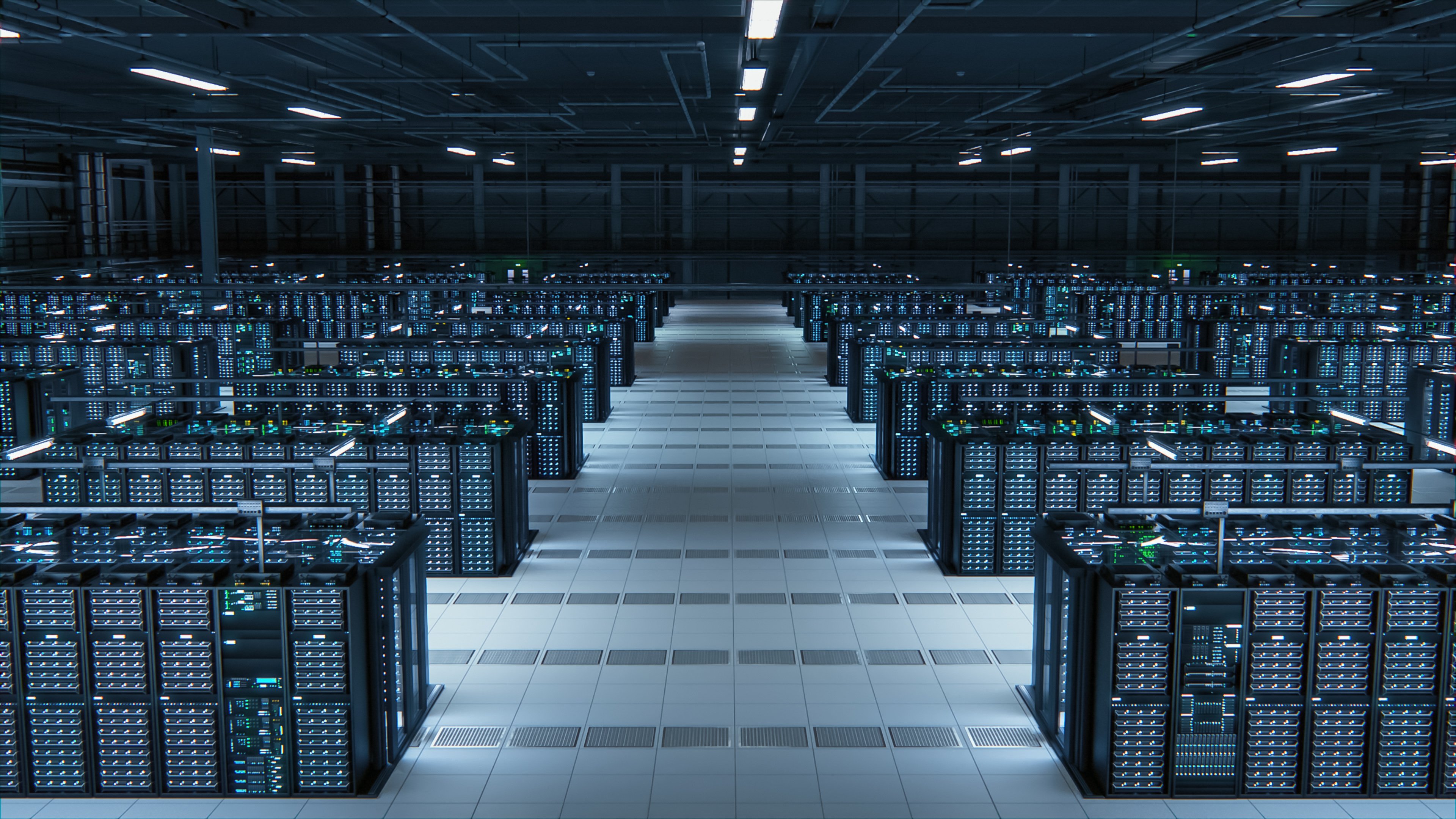
Corning is one of the optical fiber industry's leading innovators, and it developed a series of cables that can transmit information much faster than traditional copper alternatives. They are in extremely high demand in the artificial intelligence (AI) industry, where data center operators are doing everything they can to increase processing speeds.
As a result, Corning stock is sitting on a 74% gain this year already, so it's obliterating other semiconductor stocks, including Nvidia, Broadcom, and Advanced Micro Devices, which have returned between 14% and 51% so far. Corning just released its earnings report for the first quarter of 2026 (ended March 31), and it included two new deals with major AI hyperscale customers, which could fuel even more upside in its stock from here.

Image source: Getty Images.
Corning just signed two more blockbuster deals
Nvidia supplies the best graphics processing units (GPUs) for data centers, which are the primary chips used in AI development. Its customers typically configure them in the company's NV-Link 72 rack, which includes 72 GPUs, 36 central processors (CPUs), and various networking components. The rack is connected using around two miles of copper cable, but data center operators are gradually shifting to fiber instead.
Fiber-optic cables can transmit information much faster, and over much longer distances than copper, with minimal data loss. Corning recently released a new product called Multicore Fiber (MCF), which packs four cores into a standard 125-micron strand of fiber. Since MCF has 4 times the density of a single-core solution, data center operators can achieve the same performance with 75% fewer cables.
This could lead to better processing speeds and substantial cost savings for both data center operators and AI developers.
In January, Facebook parent Meta Platforms (META +2.63%) signed an agreement to buy $6 billion worth of Corning's optical fiber over the next few years, which it will use in its AI data centers. In March, Corning broke ground on a brand-new factory where it will manufacture cables specifically for Meta, which highlights the scale of the deal.
During his April 28 conference call with investors recapping Corning's first-quarter operating results, CEO Wendell Weeks said the company signed two more long-term deals with hyperscale customers. He said they are of similar size and scope to the Meta agreement, so they could be worth billions of dollars over the next few years.
Corning's AI-related revenue is accelerating
Corning's optical communications business generated $1.8 billion in revenue during the first quarter of 2026. It represented year-over-year growth of 36%, which was an acceleration from the 35% growth the segment delivered in the fourth quarter of 2025 three months earlier. It was the largest of Corning's five business units, which combined to generate $4.3 billion in core revenue overall for the quarter.
The blistering demand for optical fiber has given Corning an incredible amount of pricing power, which is boosting its profit margins. The enterprise communications segment generated $387 million in net income during the first quarter, which was up by an eye-popping 93% from the year-ago period. It accounted for over half of Corning's total core net income of $612 million, which highlights what an impact AI had on its business overall.
Corning stock could be a solid long-term buy
Corning produced non-GAAP (adjusted) earnings of $2.69 per share over the past four quarters, placing its stock at a price-to-earnings (P/E) ratio of 57.7. Nvidia, Broadcom, and AMD trade at P/E ratios of 44.6, 55, and 77.5, respectively, so Corning stock is roughly in the middle of the pack.

NYSE: GLW
Key Data Points
However, Wall Street expects Corning to grow its earnings to $3.94 per share in 2027, placing its stock at a forward P/E ratio of just 38.8.That leaves room for upside over the next 18 months or so, but long-term investors will probably reap the biggest rewards from here, because Weeks predicts the market for data center optical fiber could triple in the coming years thanks to AI-related demand.