UPS (UPS 1.36%) in 2026. It's complicated. The stock is basically flat on the year so far, but that fact goes nowhere near explaining the stock or the company in 2026. April was one of the up months, with a 10.6% performance, according to data from S&P Global Market Intelligence. The move in April came as investors prepared for the first-quarter earnings report at the end of the month, but since then, the stock has declined. Here's why.
UPS's complex earnings
Forget about UPS for a moment, because Amazon.com (AMZN 0.31%) looms large whenever investors try to take a snapshot of UPS. The reason is twofold. First, UPS is voluntarily reducing the volume of deliveries it makes for Amazon, and for good reason, too. A lot of Amazon-related deliveries are low- or even negative-margin for UPS, not least because they involve deliveries of inefficiently packaged or bulky items to hard-to-find residential addresses.

NYSE: UPS
Key Data Points
As such, the plan to reduce Amazon delivery volume by 50% from the start of 2025 to the middle of 2026 makes perfect sense. The voluntary reduction in volume is impacting UPS in many ways, as Amazon accounted for 11.8% of UPS's total revenue in 2024.
Amazon's impact on UPS
First, revenue naturally declines as the "glidedown" takes place. For example, revenue was just over $91 billion in 2024, then dropped to $88.7 billion in 2025, and even though management expects year-over-year growth to $89.7 billion in 2026 , it still represents a decline from 2024.
Second, the near-term costs of adjusting its delivery network to lower Amazon delivery volumes are eroding near-term profitability. For example, UPS launched its "Driver Choice Program" this year, an initiative that offers drivers the option to buy out their packages. The aim was to reduce drive numbers by 7,500. Come the first quarter, the program was oversubscribed. These costs and others meant that "we had a roughly $150 million in transitional costs in the first quarter that starts to go away as we go to the second quarter," according to CFO Brian Dykes on the earnings call.
Third, Amazon has its own logistics ambitions, and it recently launched Amazon Supply Chain Services (ASCS) to replicate the success of its internal transportation services by offering them to external companies. The threat could be significant for UPS, given that Amazon can target small- and medium-sized businesses that already use Amazon shipping only partially (Amazon sellers) or don't ship via Amazon at all.

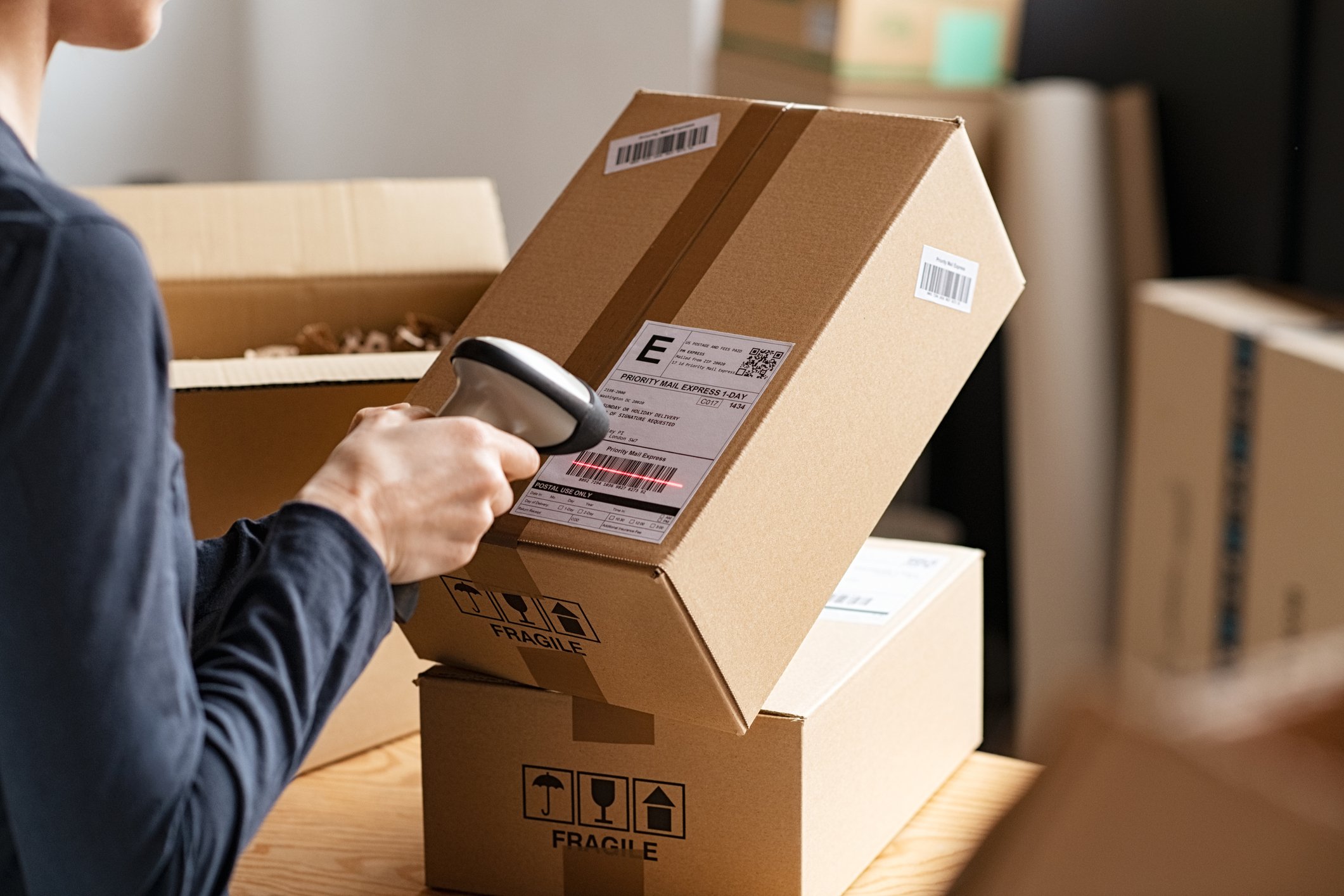
Image source: Getty Images.
What it means to UPS investors
All of it leads to a confusing picture for UPS in 2026: near-term margin pressure in the first half is expected to be followed by a second-half recovery, with management maintaining its full-year guidance of $89.7 billion in revenue and an adjusted operating margin of 9.6%.
One cause of doubt about those projections is that two-thirds of the 8% decline in U.S. domestic package volume in the first quarter was due to the Amazon glidedown, according to the Dykes. In other words, the volume decline isn't just due to Amazon. Moreover, fuel and third-party transportation costs rose in the quarter, even as overall revenue declined. Throw in the risk from ASCS, and UPS faces challenges in 2026.