Wall Street is extremely bullish on Shopify (SHOP 2.24%), seeing massive growth in the beaten-down stock, which is down some 36% year to date.
The tech stock is trading at about $102 per share and has a median 12-month price target of $150 per share, which would indicate 45% growth. High estimates call for a $200-per-share target, which would mean 94% growth, while even low-range estimates see 2% growth at $105 per share. Overall, 74% of the 57 analysts who cover Shopify rate it a buy.

Image source: Getty Images.
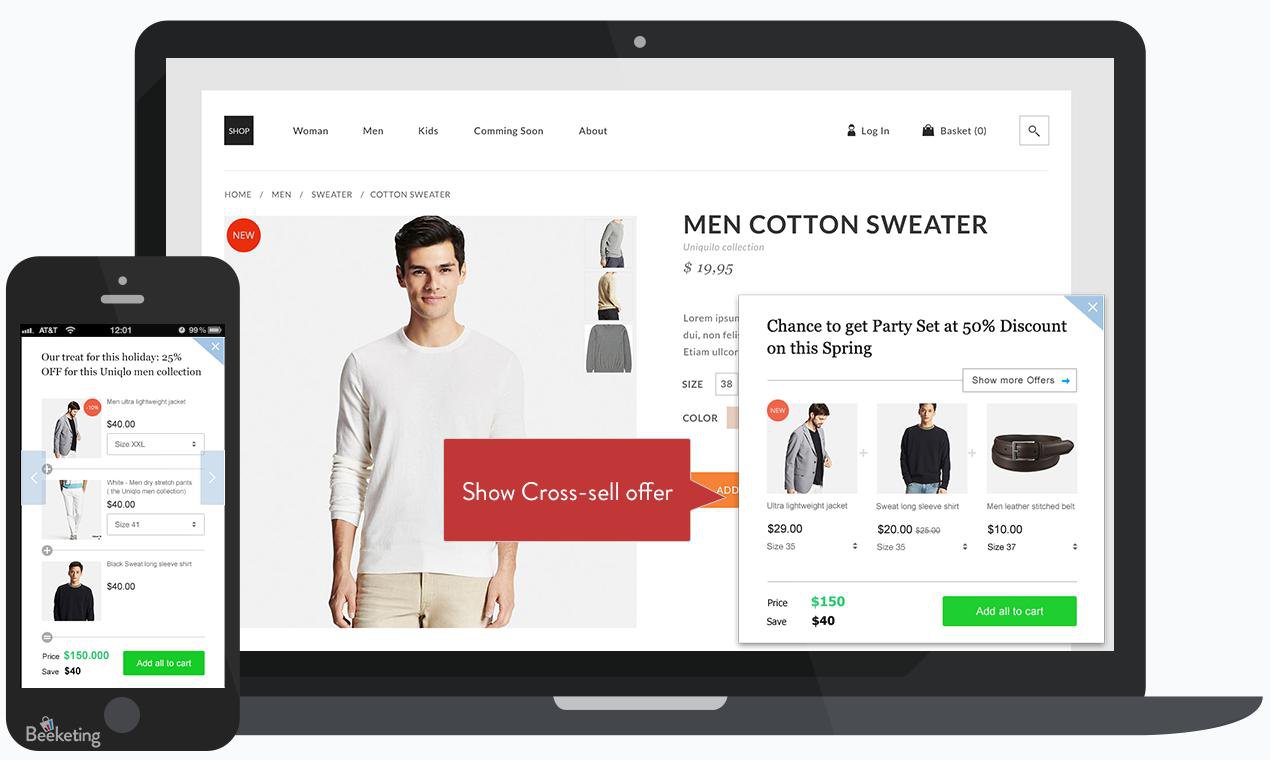
In many respects, it is easy to see why. The e-commerce platform, which merchants use to build online businesses, has been enjoying robust revenue growth. In 2025, Shopify had 30% revenue growth and 36% operating income growth.
In the first quarter of 2026, Shopify increased its revenue by 34% to $3.2 billion, while operating income spiked 88% year over year and free cash flow increased 31%. However, it had an overall net loss due to a decline in its equity investments.
While these are strong growth numbers, there are some near-term concerns that could limit the stock's growth.
High valuation concerns
One of the major concerns about Shopify is its valuation. The stock is trading at an extremely high multiple, about 108 times earnings, with a forward P/E ratio of 58. Those numbers are only down slightly from the end of 2025, despite the 36% drop in the stock price.

NASDAQ: SHOP
Key Data Points
The other big concern is the expectation for slightly slower growth, as Shopify called for revenue growth in the high-20% range for the second quarter. That would be down from recent quarters. Further, gross profit is projected to be in the mid-20% range in Q2, down from 32% year over year last quarter.
That's not too alarming on its own; in fact, it's a small dip. But when you have a stock trading at 108 times earnings, slowing or flat profits and revenue are more of a concern.
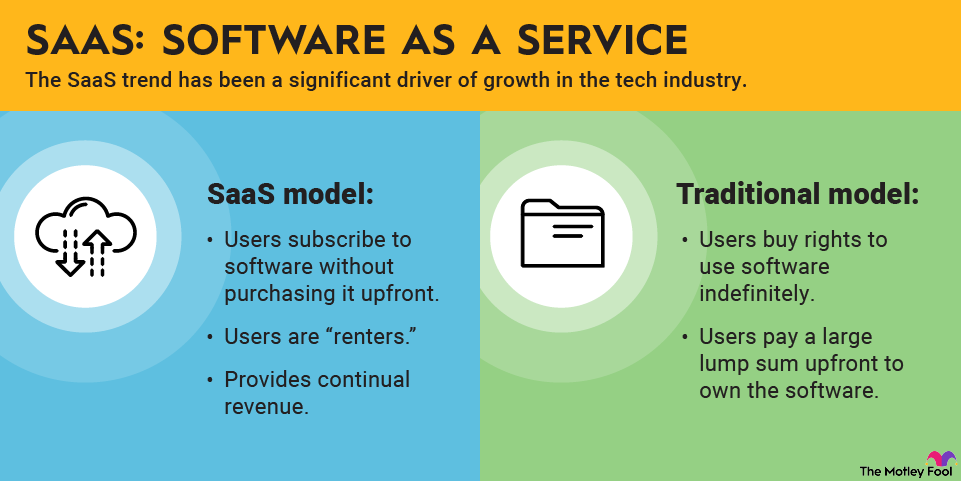
In addition, Shopify makes money from subscriptions for its website hosting and development services, and it also takes a cut of sales generated by merchants. While retail sales spending has been fairly robust, rising inflation, a softening job market, and uncertainty stemming from the war in Iran could negatively affect retail sales.
That's just another reason to be wary, given Shopify's already high valuation. It provides little wiggle room for slowing or flat growth rates.
While Shopify stock could bounce a bit off its current low, generating a 45% return might prove challenging. Investors may want to keep an eye on that valuation.