Warren Buffett's hand-picked successor as CEO of Berkshire Hathaway (BRKA 0.22%) (BRKB 0.57%), Greg Abel, is already revealing how he will invest the conglomerate's mountain of cash. Meanwhile, billionaire David Tepper continues to show how he earned a reputation as one of the top hedge fund managers. And both men took very different approaches with the same stock in the first quarter of 2026.
Abel completely exited Berkshire's position in Amazon (AMZN +3.23%) in Q1. Tepper, on the other hand, nearly doubled Appaloosa Management's stake in the e-commerce and cloud stock. Amazon ranks as his top holding, by far.
I think one of them is about to look very smart.
Image source: Amazon.
Why two opposite moves with the same stock?
We can only speculate on why Abel dumped Berkshire's Amazon shares while Tepper loaded up on the stock. However, I think we can make pretty good guesses.
My hunch is that Abel's move to sell Amazon is easily explained. Amazon was likely one of the stocks Todd Combs picked. Combs left Berkshire in January 2026 to head JPMorgan Chase's (JPM +0.10%) $10 billion Strategic Investment Group. Berkshire appears to have sold all of the positions managed by Combs.
As for Tepper's move, I strongly suspect that the billionaire hedge fund manager aggressively bought Amazon shares after the stock's sharp decline in February. Tepper probably saw an opportunity to buy a great stock at a discount.

NASDAQ: AMZN
Key Data Points
A quick look at his Appaloosa hedge fund's portfolio shows that it's heavily weighted toward AI stocks. Amazon is one of the biggest AI stocks, with Amazon Web Services (AWS) continuing to claim the No. 1 share of the cloud services market.
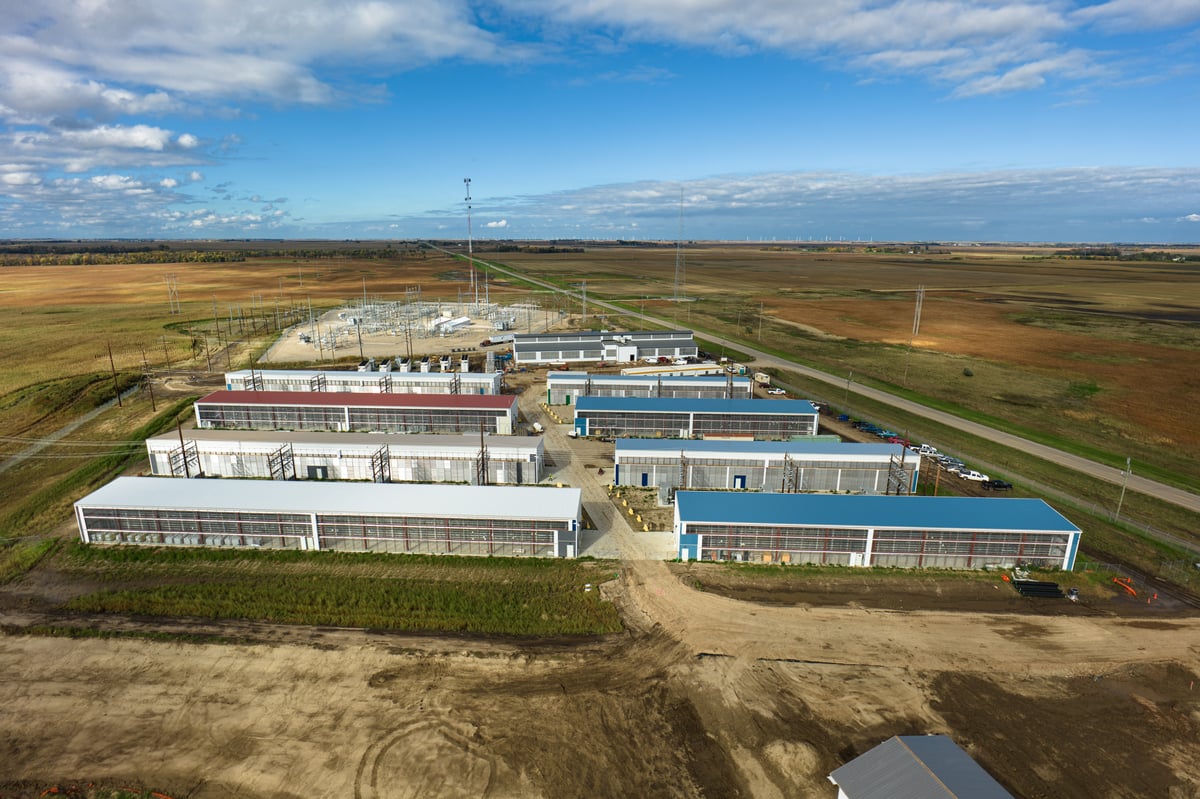
Amazon's Q1 sell-off stemmed primarily from the company's increased investment in expanding its AI infrastructure. Tepper possibly (and I'd bet probably) views these investments as shrewd strategic moves. He could have believed that the market was punishing Amazon unfairly for investing in growth.
Who's about to look very smart?
I don't blame Abel for wanting to do some housecleaning and selling several relatively small holdings in Berkshire's portfolio, of which Amazon was one. With Combs now at JPMorgan Chase, exiting the positions that he managed makes sense.
However, I predict that Tepper will look very smart for doubling up on Amazon. Actually, he's probably already looking quite astute, assuming he bought on Amazon's pullback in February or March. The stock is up more than 20% since the end of Q1. Tepper's decision to dramatically increase his stake in Amazon could appear to be even more brilliant in retrospect as the company continues to monetize its AI infrastructure investments and expand into the satellite internet services market.