Shares of chipmaker Advanced Micro Devices (AMD +3.42%) have been on a tear in 2026. As of this writing, the stock has more than doubled year to date and nearly quadrupled over the past 12 months.
The latest leg of the rally followed AMD's first-quarter earnings report in early May, when revenue growth accelerated and free cash flow more than tripled year over year. Additionally, management's guidance for the current period was impressive.
With shares now near record highs, the question is whether new money should still go to work here. After all, the business is firing on all cylinders, with surging demand for artificial intelligence (AI) infrastructure pushing the company's data center business to new highs. But the stock's valuation arguably reflects this -- and then some.
So, is AMD stock still a buy?

Image source: Getty Images.
A clear acceleration in the AI story
AMD's first-quarter revenue rose 38% year over year to $10.3 billion, easily clearing the company's own forecast of about $9.8 billion at the midpoint. This was an acceleration from 34% growth in the fourth quarter and 36% in the year-ago period. And it gets better. The chipmaker guided for second-quarter revenue of about $11.2 billion, implying growth of about 46% year over year. That would mark a further step-up in pace.
The data center segment, which sells AMD's EPYC server chips and Instinct AI accelerators, is the clear engine for AMD these days. This segment's revenue jumped 57% year over year to $5.8 billion -- up from 39% growth in the prior quarter. And now the key segment accounts for more than half of total revenue.
Importantly, profitability and cash generation have followed. AMD's Non-GAAP (adjusted) earnings per share rose 43% to $1.37. And free cash flow more than tripled to a record $2.6 billion, lifting the free cash flow margin to 25% from just 10% a year earlier.
Further, the company's recent customer wins have been needle movers. In February, AMD and Meta Platforms unveiled a multi-year arrangement covering up to 6 gigawatts of Instinct GPUs, with the first 1-gigawatt deployment to use custom MI450 silicon. This came on top of a similar 6-gigawatt deal with OpenAI announced last October.
"As we approach production, demand for MI450 series GPUs continues to strengthen, with lead customer forecasts now exceeding our initial plans, and a growing number of new customers engaging on large-scale deployments," AMD CEO Lisa Su said on the company's first-quarter earnings call. Based on this expanded visibility, Su added, AMD now has "strong and increasing confidence" it can deliver tens of billions of dollars of data center AI revenue in 2027.
Valuation -- and the price of admission
Of course, none of this is news to the market.
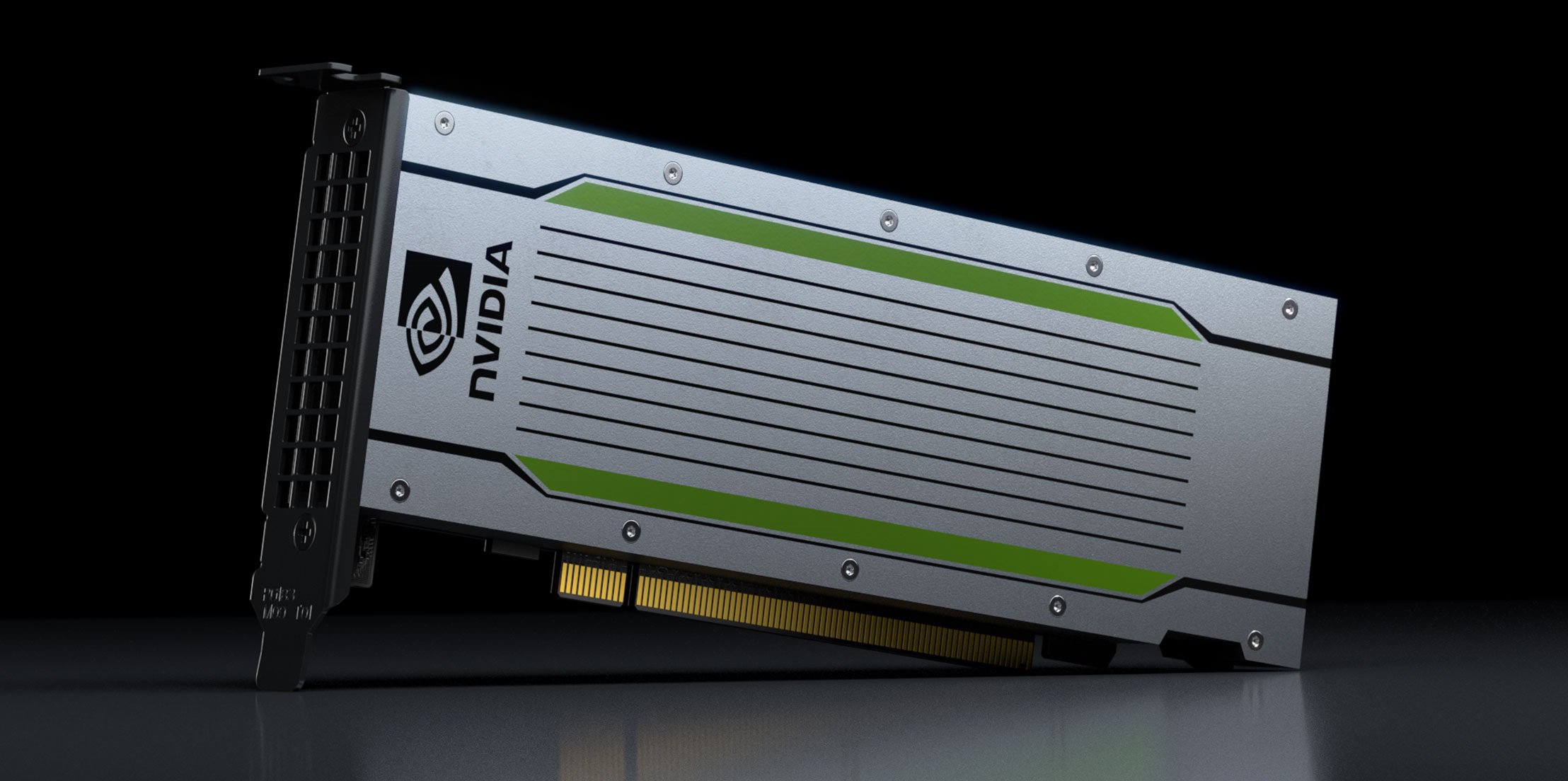
As of this writing, AMD trades at about 150 times earnings. And even on a forward basis (measured as the price-to-earnings multiple relative to analysts' consensus earnings-per-share forecast over the next 12 months), the valuation multiple sits around 59. For context, AI chip leader Nvidia trades at a price-to-earnings ratio in the forties and commands a forward price-to-earnings ratio in the twenties. So, while it might be tempting to frame AMD as the cheaper way to play AI (based on market capitalization), the valuation metrics don't really back that up. AMD's premium reflects an expectation of much faster growth from a smaller base.
And there are risks beyond valuation. AMD chief financial officer Jean Hu said on the earnings call that the MI450 ramp will create some near-term margin pressure, since the new product starts below the corporate average. And the broader AI spending cycle, while strong today, may not keep accelerating at this pace indefinitely.

NASDAQ: AMD
Key Data Points
That said, AMD has unique tailwinds. Its server chips keep gaining share, with Lisa Su telling investors on the earnings call that the server processor opportunity could grow at more than 35% annually and exceed $120 billion by 2030. Add in the MI450 ramp and the Meta and OpenAI commitments, and AMD has more visibility into its growth trajectory than it has had in years.
Ultimately, AMD stock no longer looks like a bargain. But for investors who believe AI infrastructure spending will keep accelerating from here, the chipmaker could still be a buy. Just consider keeping any new position modest. After a run like this, the risk of a sharp pullback is real.