Roughly a decade ago, Chinese-manufactured electric vehicles (EVs) often found themselves the butt of jokes. Many people failed to realize the sleeping giant that was awakening overseas as government subsidies and forced joint ventures helped a plethora of Chinese automakers catch up to the world in EVs scarily quickly.
BYD (BYDDY +3.89%), China's juggernaut EV maker, was magician-like for its ability to surge globally and overtake Tesla (TSLA -0.63%) in global EV sales last year. To be fair, Tesla is punching back and topped BYD during the first quarter of 2026. For BYD's next magic trick, it's adjusting to the Iran conflict, and surprisingly finding itself thriving.
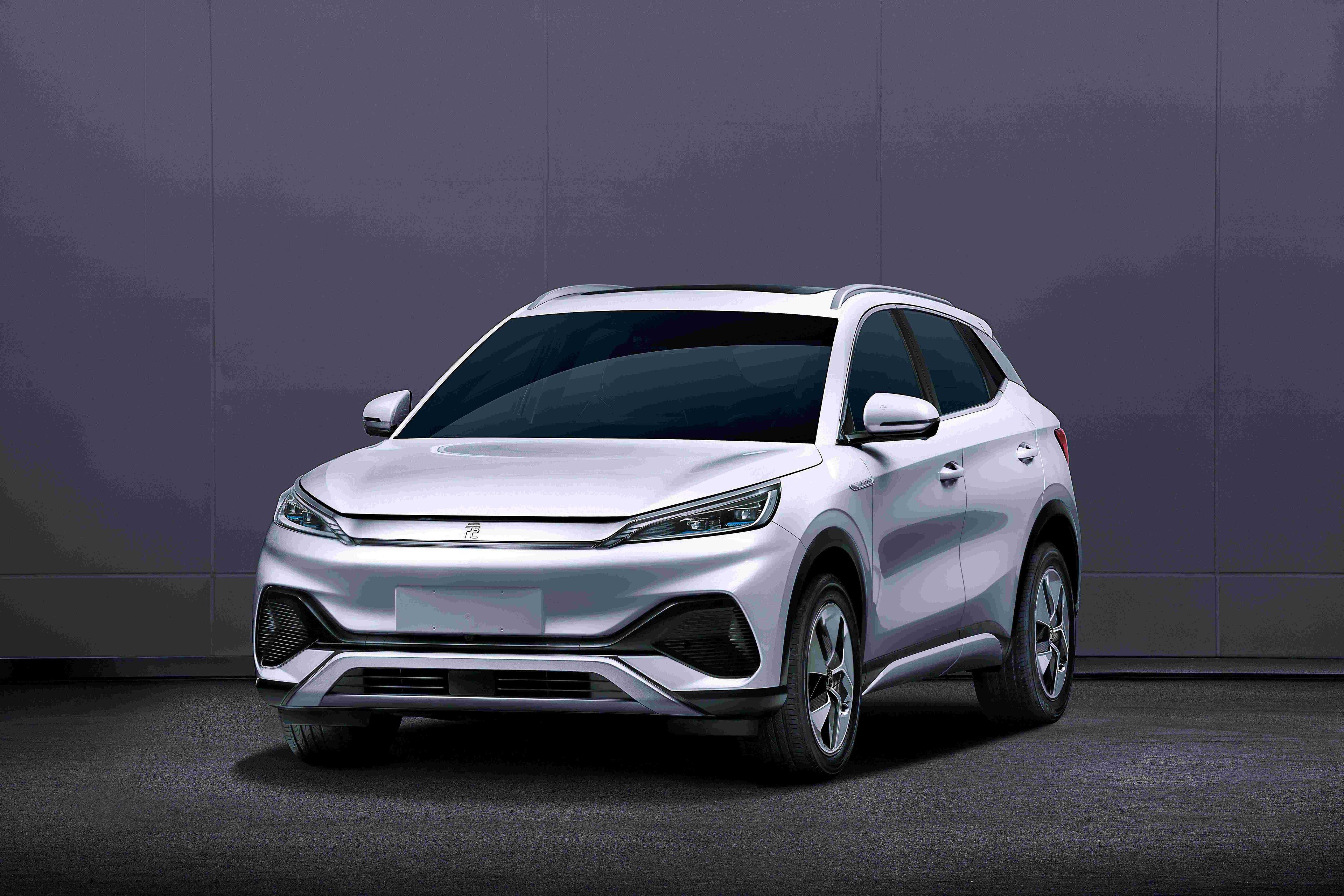
Image source: BYD Co.
From here to there
One thing many investors might not realize is that the Middle East has been a critical market for Chinese automakers. That's partly because well-known Detroit automakers such as Ford Motor Company and General Motors have long had a presence in the region. But it isn't the profit engine for the two rivals and doesn't receive as much notoriety.
The story is a bit different for the Chinese, who targeted the Middle East as the first overseas market when Chery shipped a small number of vehicles into Syria roughly a quarter-century ago. That business boomed and is still booming. Last year, China shipped about 1.4 million vehicles into the Middle East, up an impressive 41% from the prior year. That volume generated 16% of China's total vehicle exports, according to the China Passenger Car Association.
Then the Iran conflict, distribution complications, and rising oil prices stoking demand elsewhere in the world combined to put the brakes on China's deliveries to the Middle East. In fact, China's vehicle shipments to the Middle East spiraled 60% lower in March after the Strait of Hormuz was closed.
A quick pivot
Then something interesting happened. Some Chinese automakers, such as BYD, turned their focus to exporting to other regions and found massive success. China's plunging shipments to the Middle East in March were immediately offset by increased sales to Europe. This completely offset the drop in the Middle East and gave BYD management the confidence to raise its export guidance from 1.3 million vehicles to 1.5 million.
BYDDY BYD Company
OTC · As of 3:59 PM ET 10/23/26
This brings up an important point for investors: This quick pivot was enabled by Chinese automakers' export-focused factories and their nearly impossible-to-match low-cost production. While Detroit automakers were busy explaining massive write-offs related to overestimating EV markets with only so much ability to pivot, Chinese automakers such as BYD were showing off flexibility and the resilience of their global EV business.
BYD has already accomplished quite a few impressive feats over the past 10 years. Thriving amid an Iran conflict and its disrupted important Middle East market is only the latest, but it won't be the last. It's feats like these that can reward long-term investors.