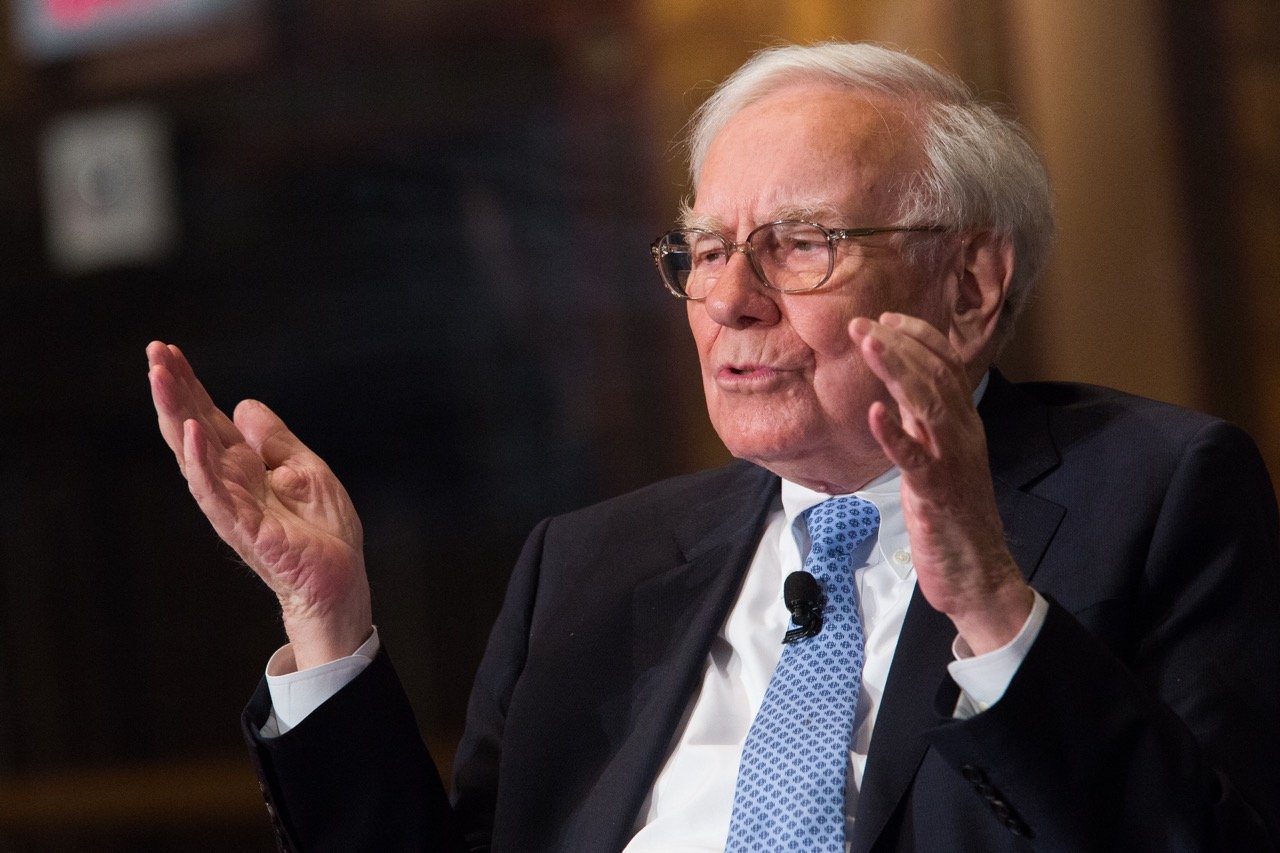
It's official. Technology giant Alphabet (GOOG -2.32%) (GOOGL -2.47%) is now one of the 30 stocks that make up the Dow Jones Industrial Average, replacing Verizon Communications.
In and of itself, it isn't that big of a deal. Standard & Poor's (which manages the Dow) regularly swaps out the index's constituents to ensure this collection of blue chip stocks is a quality cross-section of the United States' economy.
This most recent switch is a big deal, however, for another reason. That's the fact that it validates Berkshire Hathaway's (BRKA +1.08%)(BRKB +1.21%) recent investment in the very same stock, and points to its likely future.

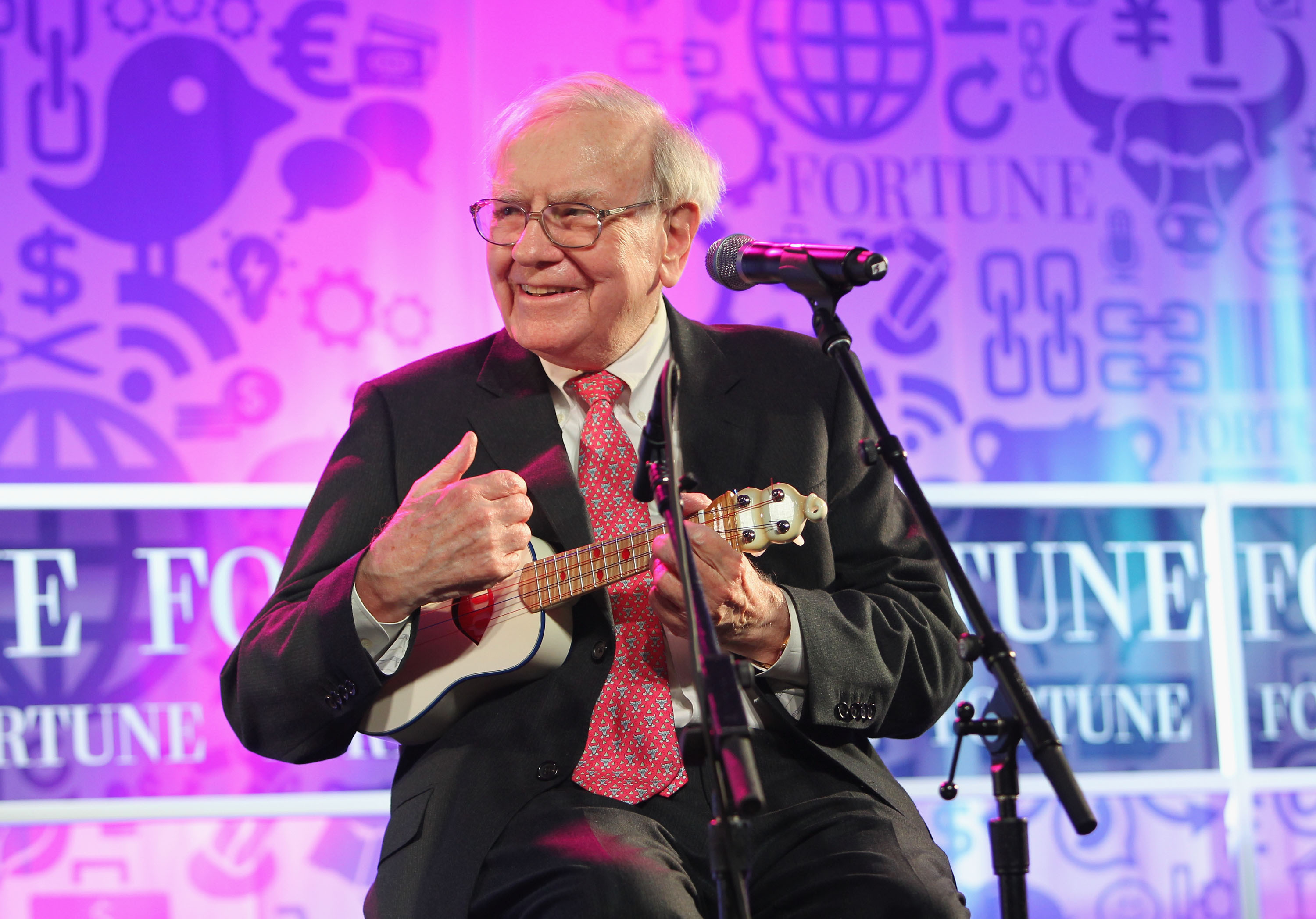
Image source: Getty Images.
No denying its important place now
Berkshire's position in Alphabet wasn't initially established while current CEO Greg Abel was in charge, for the record. It was Warren Buffett who ran Berkshire when the unlikely small purchase was made in the third quarter of last year (Buffett stepped down as chief executive at the end of 2025). Buying into the conglomerate was considered unlikely because Alphabet is the sort of technology holding Buffett typically tried to avoid.
Abel essentially tripled Buffett's modest bet, though, making the nearly $30 billion worth of Class A and C shares of Google's parent that Berkshire Hathaway now owns the conglomerate's fifth-biggest holding, something Buffett likely would never have allowed to happen under his watch.
BRKB Berkshire Hathaway
NYSE · As of 4:00 PM ET 10/16/26
Moreover, the fact that Standard & Poor's just added this name to the Dow not only underscores that Abel is right about Alphabet's prospects, but suggests he's willing to make bigger and bolder bets than Buffett was.
Alphabet isn't on shaky ground or at risk of imploding. But let's face it: It's not the sort of name that led Berkshire to the market-beating gains it's produced since Buffett took the helm back in 1965. It's also not the sort of American industrial name that Charles Dow and Edward Jones had in mind when the pair invented the index back in 1896.
What constitutes an "industrial" stock in the sense that it's an important market barometer, however, has evolved over time. The technology sector now accounts for almost 20% of U.S. jobs (according to the Information Technology and Innovation Foundation), and roughly 10% of domestic GDP (according to the National Science Board), despite the country's economy still being mostly service-oriented. As the nation's top gateway to the World Wide Web, plus a major provider of ancillary business and entertainment services, Alphabet facilitates a great deal of this activity one way or another.
Now Standard & Poor's recognizes the important role the company plays on this front, as Abel did just a few weeks earlier.
GOOGL Alphabet
NASDAQ · As of 4:00 PM ET 10/16/26

Connect the dots
Not all worthy blue chip names are in the Dow, just as not all those selected for inclusion remain in it indefinitely. As was noted, Verizon was removed to make room for Alphabet.
Becoming part of this iconic index is an amazing accolade, nonetheless, in that it unofficially confirms a stock's status as a quality blue chip; something that Buffett would be far less likely to assert based on his past statements. Abel apparently sees it differently. Standard & Poor's agrees with Abel.
Perhaps more important to interested investors, this shift is likely just a glimpse of what to expect from Berkshire Hathaway going forward. Abel doesn't seem nearly as hesitant as Buffett was to own "new economy" stocks.