Given that the stock's only a tad below analysts' consensus price target of $525.08 following the recent release of its second-quarter results, Berkshire Hathaway's (BRKA -0.31%) (BRKB -0.23%) Class B shares appear to be fully and fairly valued. And maybe they are.
Dig deeper, though. There may be something the analyst community isn't fully appreciating. And it's not the fact that CEO Greg Abel is finally starting to do something with all that idle cash the company's been sitting on, either. It's how well its biggest cash cow is now doing.
Berkshire's breadwinner is now firmly growing
It's easy to forget that Berkshire Hathaway isn't just a basket of hand-picked stocks. It's also a collection of privately held, cash-generating businesses like Duracell batteries, Pilot Travel Centers, Clayton Homes, Shaw flooring, and Dairy Queen, just to name a few. This is where most of the conglomerate's quarterly cash flow comes from, in fact, which of course is eventually invested for growth (one way or another). These businesses collectively contributed $11.7 billion worth of after-tax earnings in Q2 of this year, despite headwinds on the insurance front.

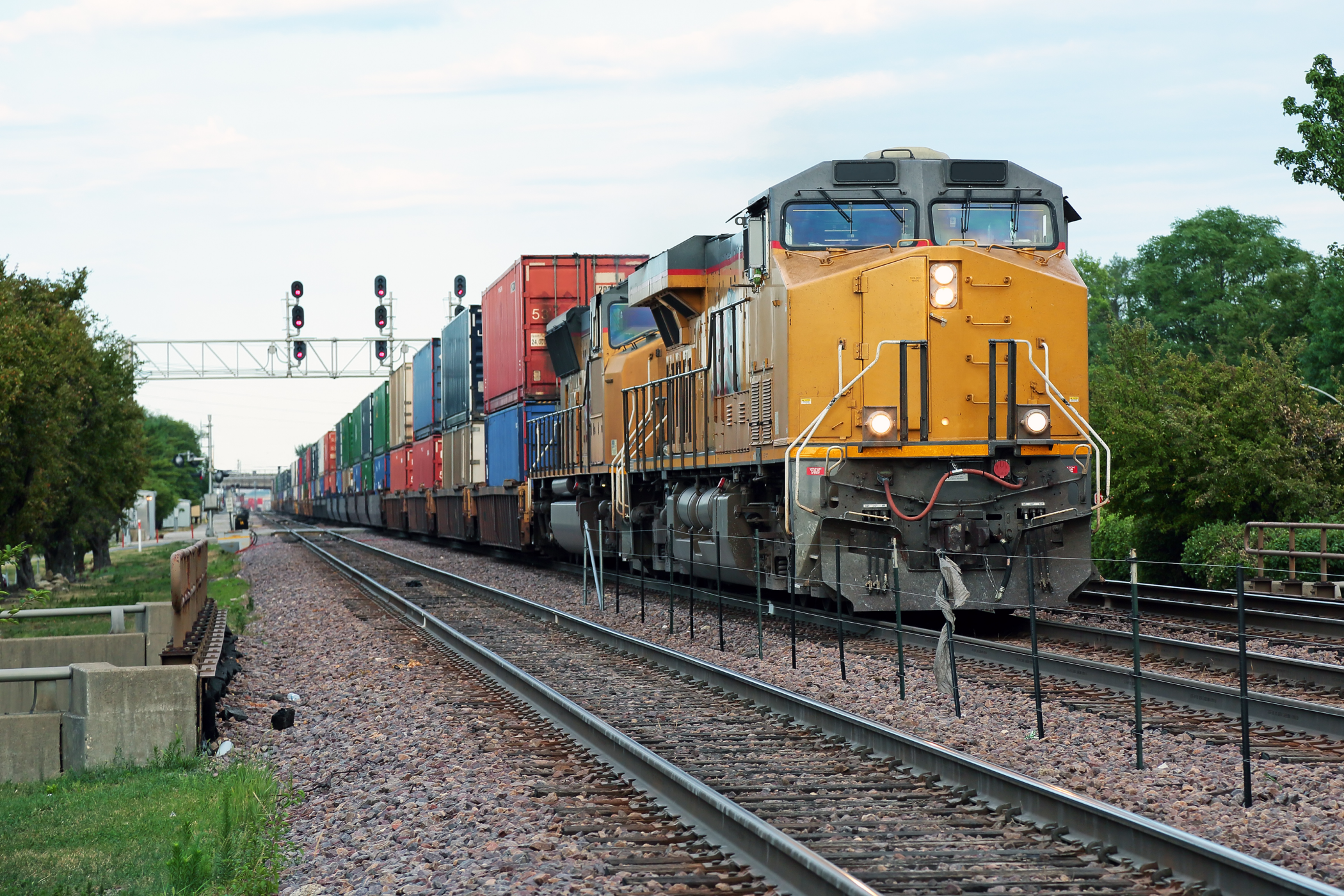
Image source: Getty Images.
Still, the grouping that includes Berkshire's manufacturing, retailing, and services ventures like Precision Castparts, Lubrizol, International Metalworking, Clayton Homes, and others performed phenomenally well last quarter, turning $61.5 billion worth of revenue into net earnings of nearly $4.5 billion. Those numbers are up 15.2% and 24.1%, respectively, accelerating Q1's already healthy growth pace.
Indeed, as the graphic below illustrates, last quarter's profit growth of the conglomerate's manufacturing, services, and retailing arm extends and accelerates long-standing forward progress that hasn't necessarily been mirrored by all of Berkshire's other businesses, or, for that matter, every business that's not part of the Berkshire Hathaway family.

Data source: Berkshire Hathaway. Chart by author. Figures are in millions of dollars.
It matters simply because -- as the chart above also illustrates -- manufacturing, services, and retailing are now collectively Berkshire Hathaway's single-biggest and most consistent cash cow, accounting for nearly 40% of the company's spendable cash flow. Remember, Berkshire's investment gains don't become liquid cash until and unless those positions are sold.
Potential not fully reflected in the target price
One quarter doesn't necessarily start a new trend. All long-lived trends, however, start out with that first good quarter. And given the nature of most of this arm's businesses -- manufacturing -- strength on this front against the backdrop of a lethargic economy is encouraging to be sure. It says that what these businesses are making is in demand even if the economy remains hampered by slow growth, lingering inflation, and an uptick in job losses. In that sort of environment, reliable cash flow has a funny way of suddenly becoming very important.
More to the point for interested investors, many of the analysts who are conservatively pricing this stock based on the company's still-limited interest in putting more of its cash hoard (now roughly $360 billion) to work may not be pricing in the full potential of these privately held ventures. This, of course, bolsters the already bullish case for buying a stake in Berkshire Hathaway here.