Nokia (NOK +2.17%) used to make smartphones, but the stock's 130% rally over the past year has nothing to do with those consumer products. The company has become a major part of the AI build-out thanks to a new technology that most people don't know about: artificial intelligence radio access networks (AI-RAN).
AI-RAN helps tech giants break through the latency limitations of AI data centers and enables the creation of micro-data centers that scale real-time AI inference. This technology may soon become a hot topic with investors, just as memory chips have recently.
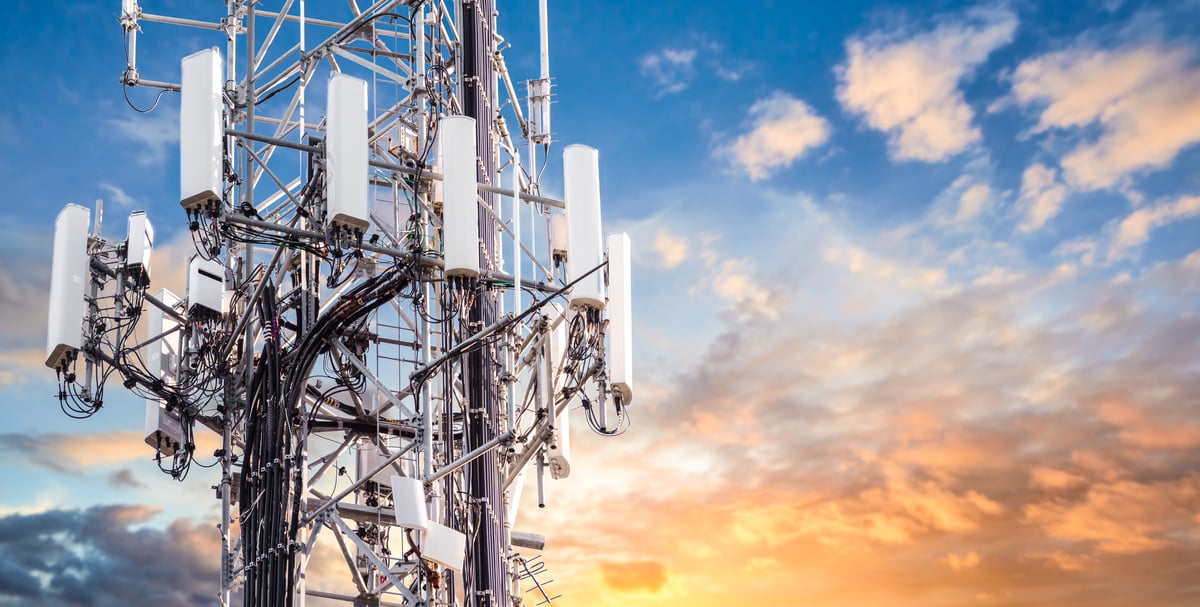
Image source: Getty Images.
Nokia has Nvidia's backing
Nokia isn't posting impressive overall growth rates right now. It delivered only 4% year-over-year revenue growth in Q1, but its small AI and cloud segment grew by 49%. Demand for optical networking hardware to go into AI data centers has contributed to the stock's rally, but AI-RAN may be the golden opportunity moving forward.

NYSE: NOK
Key Data Points
In its most recent report, management highlighted that AI inference demand is growing faster than AI model training demand, and those workloads will require AI-RAN to operate more effectively in real-time scenarios.
The leading hardware player in the AI boom, Nvidia, has taken notice. In October, the chipmaker announced it was making a $1 billion investment in Nokia as part of a partnership that will support the telecom sector's upgrade to AI-native 5G-advanced and 6G networks.
"AI-RAN will revolutionize telecommunications -- a generational platform shift that empowers the United States to regain global leadership in this vital infrastructure technology," Nvidia CEO Jensen Huang said when announcing the investment. "Together with Nokia and America's telecom ecosystem, we're igniting this revolution."
Huang may have more influence on the AI build-out than anyone else. His assertion that AI-RAN will revolutionize telecommunications is a long-term bullish indicator for Nokia.
AI-RAN revenue should arrive soon and quickly surge
The potential of this technology isn't reflected in Nokia's earnings yet. Some investors have been accumulating shares regardless, anticipating a megacycle for this innovation. Nokia said in its Q1 press release that it is on track to launch customer trials later this year, with 10 customers publicly committed to working with it on them.
Telecom giants are among those customers, and backing from Nvidia could speed up adoption and commercialization. Since AI-RAN is designed to upgrade and optimize existing cell towers, there is a large market opportunity. Market research firm Dell'Oro Group anticipates that cumulative AI-RAN spending will reach $35 billion in five years, suggesting rapid growth is coming.
Since AI-RAN solves major bottlenecks for the AI industry, it could translate into higher margins for Nokia. That would be a welcome development -- the company's margins have been hovering below 3% for several quarters.