Most investors probably still think of Caterpillar (CAT -2.42%) as a construction-equipment company -- bulldozers, excavators, mining trucks. But the order book tells a different story.
Caterpillar ended the first quarter with a record backlog of $63 billion, up $28 billion, or 79%, from the first quarter of 2025, with all three of its primary segments contributing. Indeed, almost $12 billion of that arrived in the quarter itself.
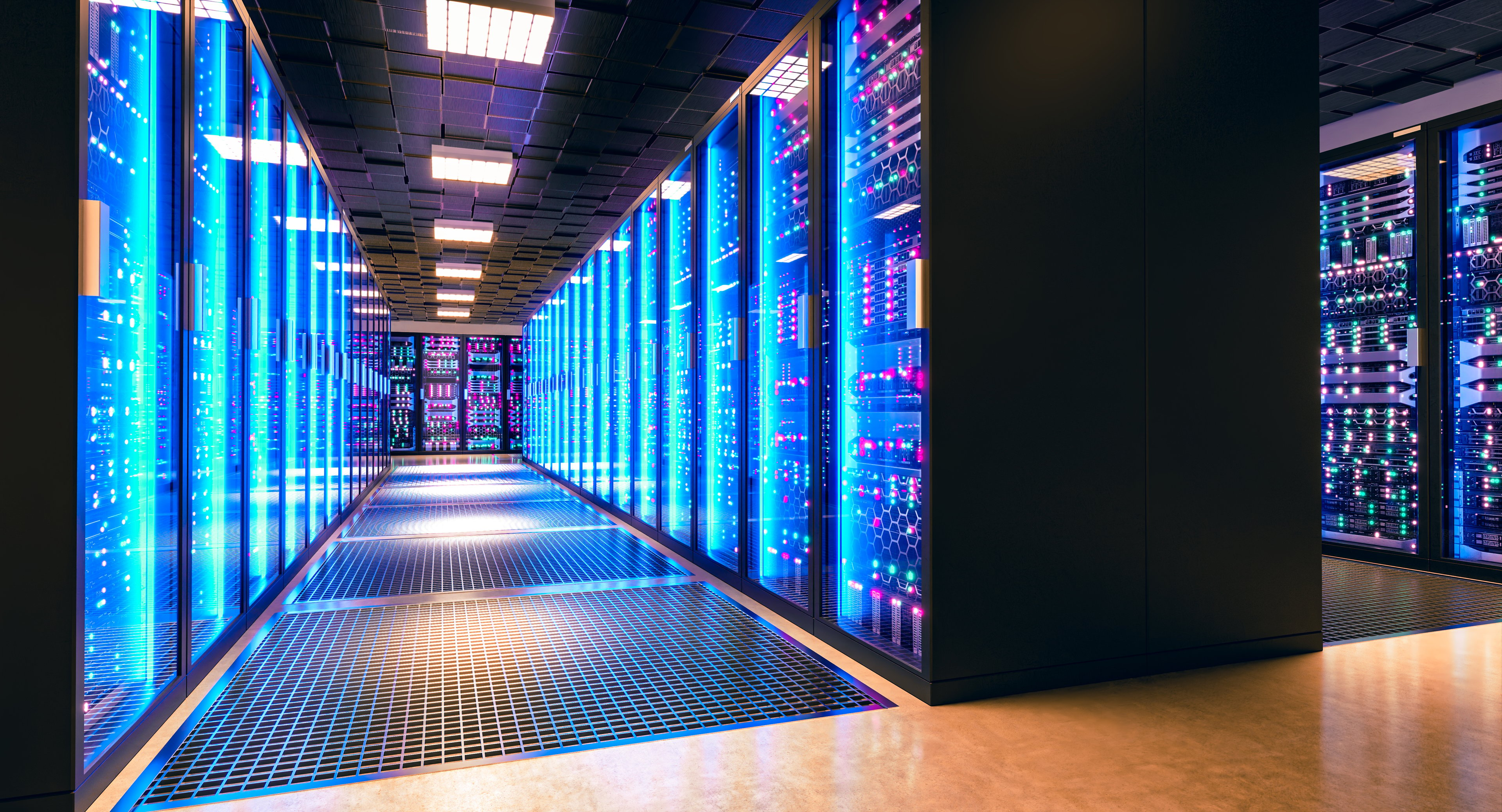
And a big share of the new demand behind that number has little to do with construction sites. It comes from data centers.
The market has noticed. Shares have roughly doubled off their 52-week low, to about $815 a share as of this writing, though they'd have to climb more than 30% to get back to their high. At about 41 times earnings, Caterpillar is arguably priced like an artificial intelligence (AI) infrastructure company, not a cyclical equipment maker.
Caterpillar reports second-quarter results before the market opens on Tuesday, Aug. 4. Is AI power demand still filling the order book? And is the backlog converting into delivered revenue on schedule?
Image source: Getty Images.
Why data centers buy Caterpillar engines
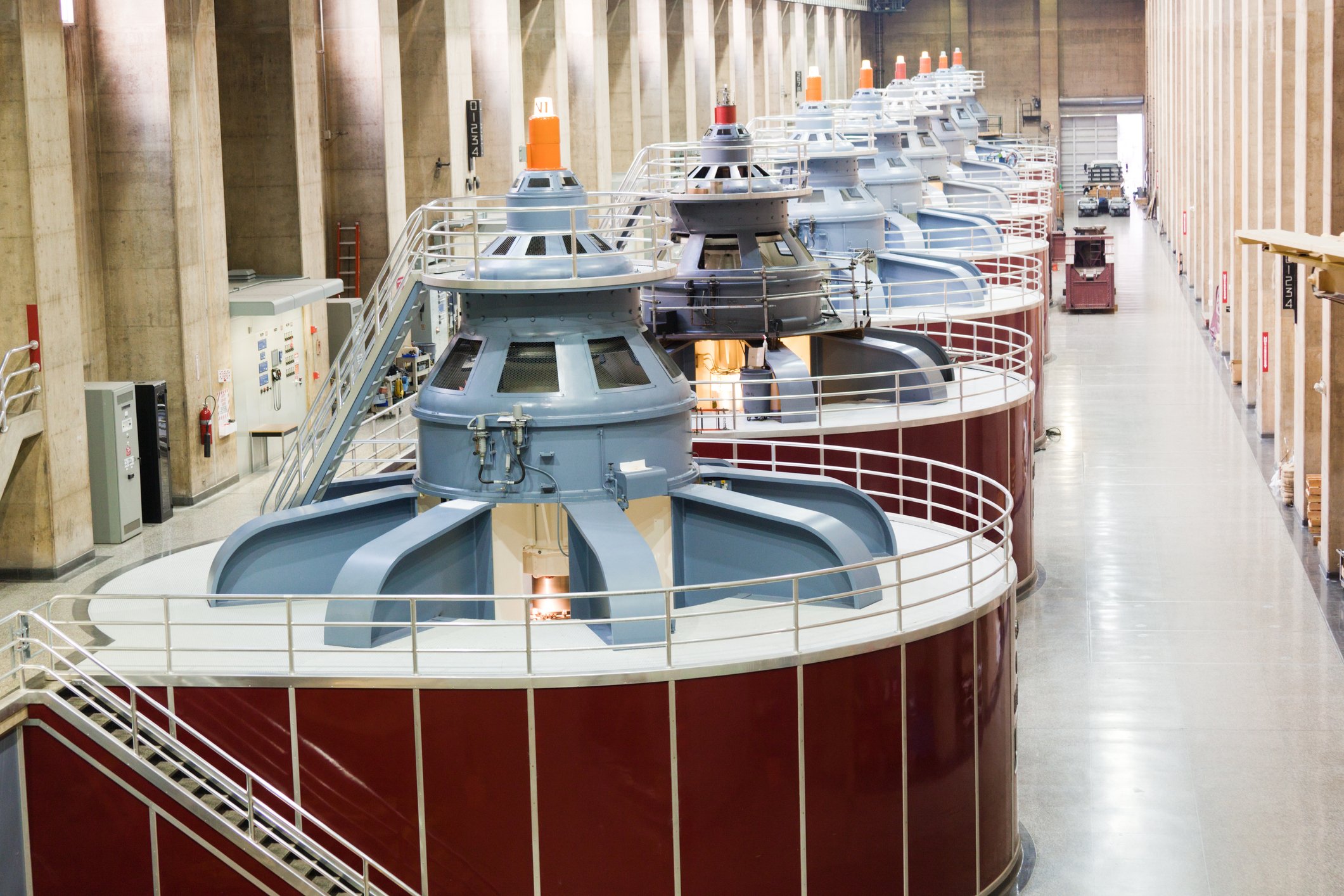
Caterpillar's large reciprocating engines (essentially massive generator engines) and gas turbines can power a data center on site. They serve as backup when the grid fails, or as primary power for facilities that don't want to wait for a grid connection.
The demand showed up all over the company's most recent results. Power generation sales (one slice of Caterpillar's power and energy segment) rose 41% year over year in the first quarter of 2026, to $2.8 billion from $2.0 billion. The growth came from large reciprocating engines and turbines, driven primarily by data center applications. That puts power generation on an annual run rate above $11 billion. Companywide, sales and revenues rose 22% year over year to $17.4 billion, and adjusted earnings per share came in at $5.54, up 30% from $4.25.
Caterpillar is responding by expanding its large reciprocating engine capacity to nearly triple 2024 levels, and most of the additional capital expenditures land from 2027 through 2029. Management raised its long-term sales growth targets alongside the announcement.
"Customers are committing to longer-term orders with some orders well into 2028," CEO Joe Creed said on the company's first-quarter earnings call.
Orders like those stay on the books a long time. That's a big part of how the total reached $63 billion.
What the second-quarter report has to show
The first thing I'll look for on Tuesday is the backlog number itself. A year ago, it stood at about $35 billion. And roughly $23 billion of the increase since then arrived in just the last two quarters -- the build has been accelerating, not slowing.
In short, orders are still coming in far faster than Caterpillar can deliver them.
The second thing is conversion. A backlog only turns into revenue when the machines actually ship, and some of these orders stretch years into the future. Caterpillar now holds the equivalent of more than three and a half quarters of revenue in its order book.
So far, though, conversion is working: Sales grew 22% last quarter even as the backlog swelled. On Tuesday, I want to see strong revenue growth alongside an order book that hasn't stopped climbing.
CAT Caterpillar
NYSE · As of 4:00 PM ET 10/23/26

Of course, there are risks. New York imposed the nation's first statewide moratorium on new hyperscale data centers (the largest class of facilities) in July, pausing state environmental permits for big projects whose applications weren't already deemed complete, for up to a year. If more states follow, some of the pipeline behind 2027 and 2028 orders could shrink or slip.
A long-dated backlog can also be rescheduled or, in some cases, canceled.
That's the main reason I'm not chasing the stock here. At about 41 times earnings, Caterpillar is priced as if the power boom keeps compounding without interruption -- and July's news out of New York shows what an interruption could look like.
Ultimately, I like the business Caterpillar is becoming. A $63 billion backlog gives a cyclical company visibility it rarely gets, and management is confident enough in the demand to nearly triple its large engine capacity. For now, I'm not a buyer. If Tuesday's report shows the backlog still climbing and power generation holding its pace, I'll take another look. But I'd want a better price than this one.