Nvidia has become so popular as a stock that it has gone from a hot pick to the world's largest company by market capitalization. So, it's somewhat of a surprise that another stock, which many investors may not be familiar with yet, has easily outperformed the semiconductor maker over the past five years.
And it's not even close. Comfort Systems USA (FIX -9.26%) has returned more than 2,000% over the past five years, while Nvidia's return is just under 1,000%. Here's how this HVAC company did it.
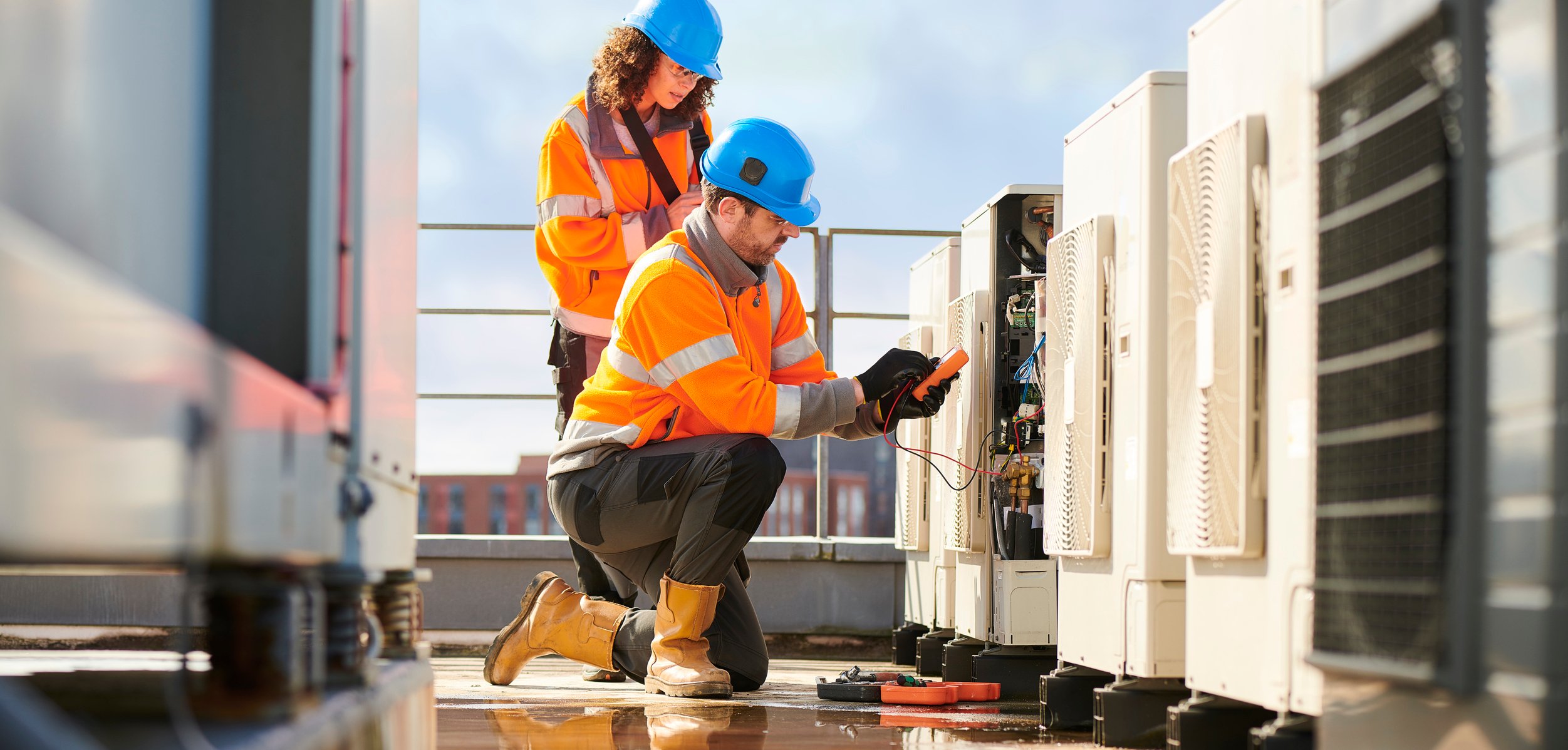
Image source: Getty Images.
Why Comfort Systems outperformed Nvidia
Five years ago, Comfort Systems was a relatively overlooked mid-cap mechanical, electrical, and plumbing (MEP) contractor with a market capitalization under $3 billion. Nvidia was already a tech titan valued at more than $500 billion. Because Comfort Systems started from a much smaller baseline, capital inflows and earnings expansion had an exponentially larger multiplier effect on its stock price.
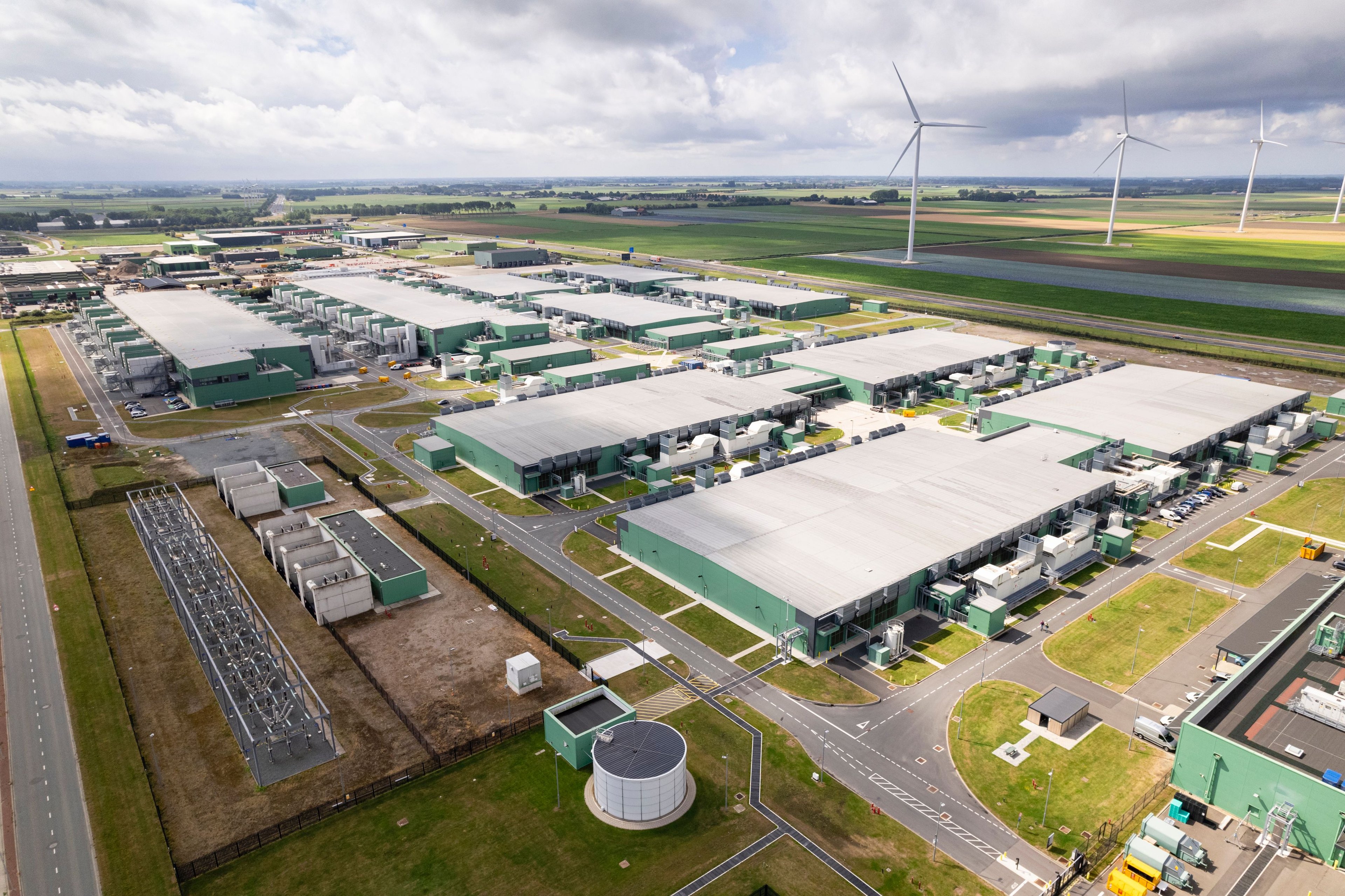
Nvidia produces AI-critical graphics processing units (GPUs), but artificial intelligence hyperscalers cannot deploy them without specialized, high-density cooling and power infrastructure. Comfort Systems became a key beneficiary of the physical AI supply chain. High-performance AI servers generate extreme heat, requiring liquid cooling, complex HVAC, and specialized mechanical engineering. Over half of Comfort Systems' revenue now comes directly from tech and data center projects, where demand has severely constrained available contractor capacity.
A shortage of skilled trade workers, exacerbated during the COVID-19 pandemic, enabled top-tier MEP contractors such as Comfort Systems to exercise unprecedented pricing power and to select higher-margin, complex fixed-bid projects.
The company's use of custom modular HVAC and electrical units, built off-site, continues to give it certain advantages. This parallel approach streamlines delivery, enhancing site safety, quality, and productivity while de-risking project schedules and budgets.
FIX Comfort Systems USA
NYSE · As of 4:00 PM ET 10/23/26

Can Comfort Systems keep up this level of growth?
No, not really. Comfort Systems is now a large-cap stock in the S&P 500 with a $59 billion valuation, making 2,000% share price growth more difficult. Its trailing price-to-earnings ratio (P/E) is nearly 50 and higher than all of its main competitors, Emcor Group, IES Holdings, and Sterling Infrastructure.
Compounding a $59 billion industrial contractor by another 10 to 20 times would require market caps reserved for megacap tech companies. Even with its modular prefabrication, Comfort Systems' growth is ultimately limited by the physical supply of skilled labor and project management capacity.
While Comfort Systems remains fundamentally strong with a massive backlog of more than $14 billion, it now has a higher forward P/E than Nvidia, and its physical scaling limits make it unlikely to systematically beat Nvidia's higher-margin, software-networked business model over the next five years.
So are Comfort stock buyers too late to the party?
No, the company is still seeing huge financial growth and should be considered a momentum stock. It's just that there's less room for the stock to rise.
It continues to benefit from being a major MEP aligned with the growing need for more data centers. It will also be the primary contractor for HVAC repairs and updates at those data centers for years to come. That's a great recurring revenue stream, and it has steadily grown service maintenance revenue, including $185 million in the second quarter.
In the second quarter, it reported revenue of $3.26 billion, up 50.3%, year over year, and earnings per share (EPS) of $12.53, up 91.9%. That's phenomenal growth, and it has also trimmed its total debt to $54.1 million, down from $145 million in the same quarter a year ago.
Though it is a big company with 25,000 employees across 150 cities and 206 locations, there's room for growth, especially as data centers expand into new areas. It also has a dividend that it has increased for 14 consecutive years.
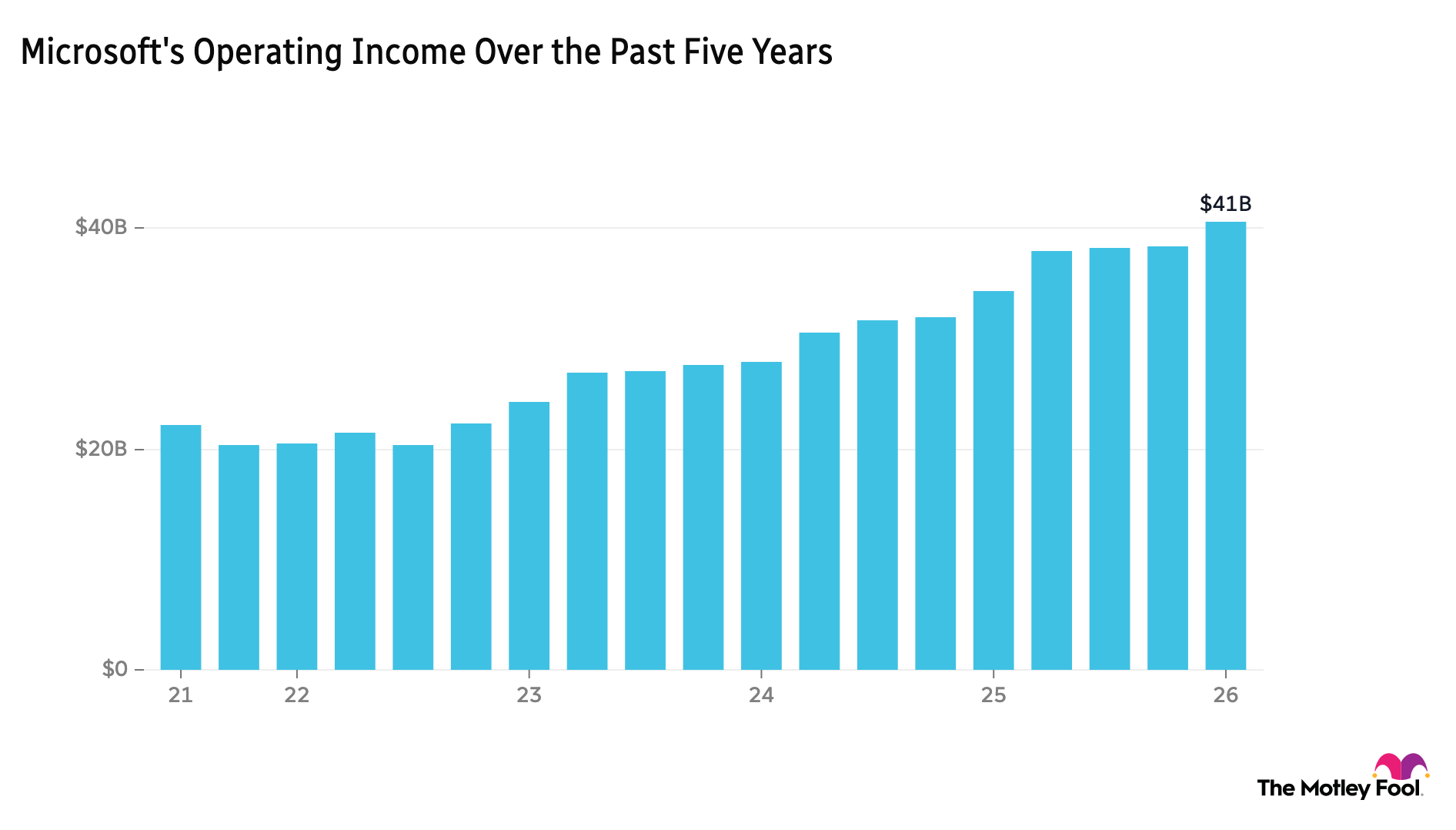
There are legitimate concerns that its stock price may get too high, though. If big tech companies such as Microsoft, Alphabet, Meta Platforms, and Amazon experience a digestion phase or temporary slowdown in physical data center builds, Comfort Systems' backlog growth would face direct pressure. Nvidia, while also exposed to tech capex, retains broader global demand across enterprise, sovereign AI, and software ecosystems.
So note the risks and rewards -- and invest accordingly.