Demand for critical minerals is growing as electric vehicles, artificial intelligence infrastructure, defense systems, and renewable energy projects require increasing amounts of rare-earth and battery metals. And that's put companies such as MP Materials (MP +4.16%) and The Metals Company (TMC +1.52%) squarely in the spotlight. Both operate in the critical minerals space, but they do represent two very different investment stories.
MP Materials has a geographical advantage
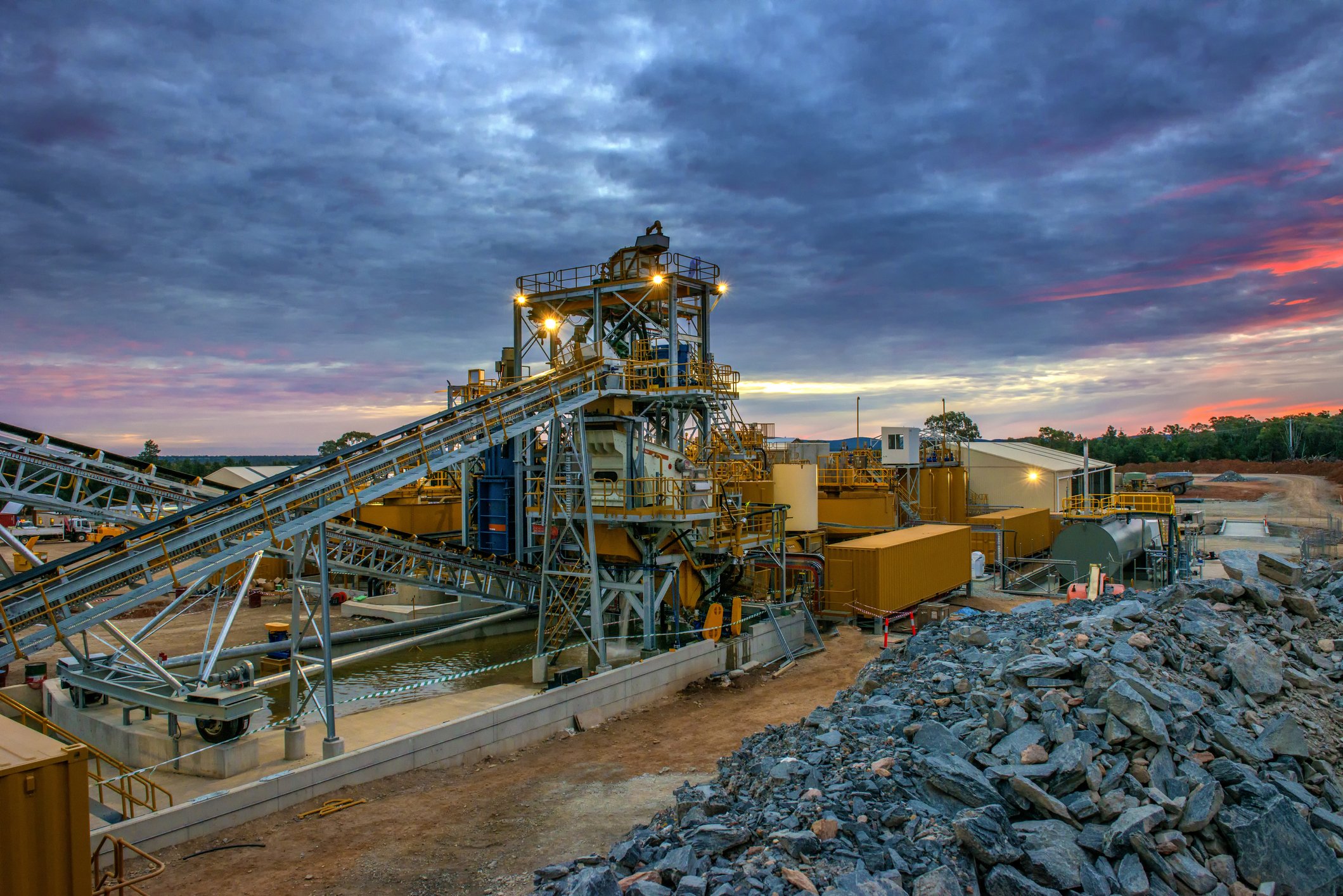
MP Materials owns the Mountain Pass mine in California, the only integrated rare-earth mining and processing operation in the United States. The company has spent the past several years transforming itself from simply mining rare-earth concentrate into producing higher-value rare-earth oxides, metals, and permanent magnets used in electric vehicles, robotics, and defense applications.
MP MP Materials
NYSE · As of 4:00 PM ET 10/15/26

And that transition is beginning to show up in the financials. Q2 2026 revenue climbed 89% year over year to $108.5 million, driven by higher sales of neodymium-praseodymium (NdPr) oxide and metal, which is used to build some of the world's strongest permanent magnets. These magnets are integral to the manufacturing of EVs, wind turbines, robotics, and defense systems.
MP also enjoys a strategic advantage that few mining companies can match. The U.S. government has become an active supporter of domestic rare-earth production as policymakers work to reduce dependence on China, which currently dominates global processing capacity. Government price support agreements and long-term supply contracts provide MP with a degree of visibility that many commodity producers lack.

Image source: Getty Images.
A $20 trillion opportunity
The Metals Company is pursuing a completely different strategy. Rather than mining on land, it plans to recover polymetallic nodules from the deep seabed. Those nodules contain nickel, cobalt, copper, and manganese, which are all key materials used in batteries and electric infrastructure.
If successful, the opportunity could be enormous. According to consulting firm Arthur D. Little, seabed mining could ultimately be worth as much as $20 trillion. That's trillion -- with a T. The challenge, of course, is that commercial production has not yet begun.
TMC TMC The Metals Company
NASDAQ · As of 4:00 PM ET 10/15/26
The better long-term choice
Both companies could benefit from the growing demand for critical minerals, but they sit at very different stages of development. MP Materials already has an operating mine, growing downstream processing capabilities, government support, and commercial customers. It's actively generating revenue today while expanding into higher-margin products, such as rare-earth magnets.
The Metals Company may ultimately deliver larger returns if deep-sea mining becomes commercially viable. But that outcome depends on several variables that remain outside the company's control.
If you're looking at this from a long-term investment viewpoint, MP Materials appears to offer the stronger combination of execution, strategic positioning, and lower risk. The company still faces commodity price volatility and execution challenges as it ramps up magnet production, but it's already demonstrated it can build a business, not just a vision. And ultimately, that's what puts MP over the top.