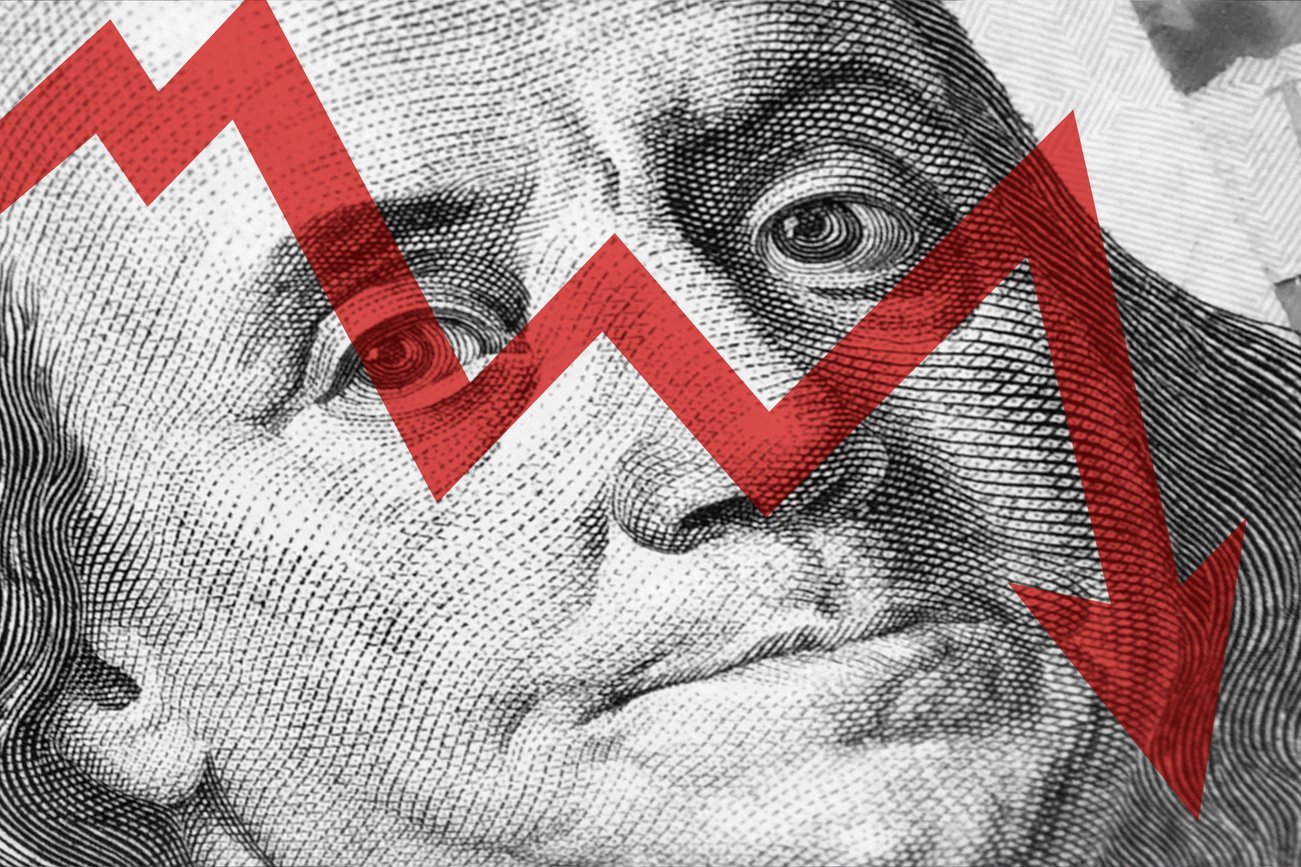
Michael Burry rose to fame by spotting the subprime mortgage bubble in the housing market before anyone else and putting his (and his investors') money where his mouth was. While it took some time for his investment thesis to play out, he ultimately made hundreds of millions of dollars from the "big short."
Now he sees another bubble stretching to the breaking point, and he doesn't think it will take much longer for the market to realize he's right. Burry has taken short positions in many of the most popular artificial intelligence (AI) stocks. And at the end of September, he repositioned his portfolio based on a shorter timeline before the AI bubble bursts.
"As such, I want more leverage in my short positions. Better timelines make leverage more palatable." He covered short positions in some stocks, instead buying put options at relatively low strike prices. Those include puts for Micron (MU +2.98%) and Nebius (NBIS -3.45%) that expire in June 2027, suggesting he foresees big drops in those stocks happening within the next few quarters.

Hedge fund manager Michael Burry: Image source: Getty Images.
Why is Burry moving up his timeline?
Burry's most famous investment stemmed from his ability to recognize a discrepancy between an asset's real risk and the risk the market assigned to it. Mortgage-backed securities backed by subprime loans on third and fourth properties shouldn't have AAA ratings. He also thinks securities whose values are tied to just a handful of big tech companies, relying on other big tech companies as customers, vendors, and financing providers (and in some cases, performing all three roles at once), don't deserve the low-risk pricing the market currently offers.
Burry was influenced after reading an Ares Management article that illustrated the interconnectedness of the AI trade. That article points out that AI revenue must support the capital expenditures the industry is committed to. Any disappointments along those lines could push a business to find other uses for its capital. The market is currently pricing the risk of that sort of thing happening at an extremely low probability. Ares argues that there's a much greater chance of a shift in capital spending than the prices of stocks connected to the AI trade would suggest.
MU Micron Technology
NASDAQ · As of 4:00 PM ET 10/26/26

Two companies that are extremely exposed to reductions in AI capital spending are Micron and Nebius. And Burry is betting that an event causing a slowdown in spending could occur soon. It's worth pointing out that a slowdown in spending doesn't necessarily mean a reduction. It could simply mean that businesses don't spend as much as the market currently expects them to.
Here's why Nebius and Micron are so susceptible.
Why a slowdown would be terrible for Nebius and Micron
There are two general components of hyperscalers' capital spending on AI data centers: the structures themselves, and the servers and networking equipment inside. Data centers take a couple of years to build and set up. Servers take a few weeks. The hyperscalers are also spending much more on chips than on structures. A slowdown in spending is more likely to hit chips and networking equipment first.
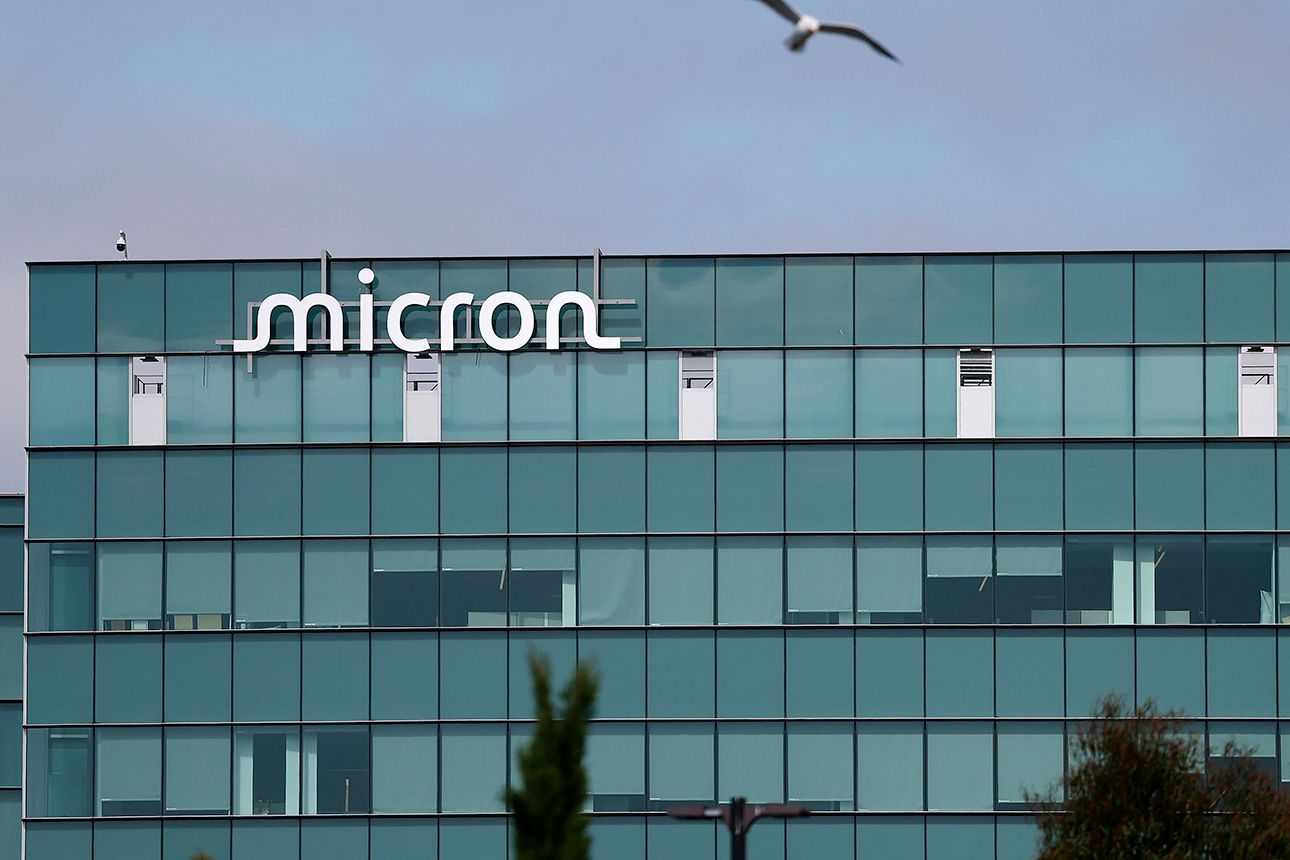
Micron's soaring earnings are predicated on growing demand for data center memory chips. Demand has outstripped the industry's ability to manufacture those chips, which has enabled it to charge more for its chips as it and its peers work to increase their production capacity. Investors currently expect supply to catch up with demand by 2028. But a drop in demand would allow the market to reach equilibrium sooner. Burry also pointed to increased production of memory chips in China, which could weigh on industrywide pricing. The result of that could be that prices peak sooner and at lower levels, and the period of high profitability gets cut short. That would send Micron's stock price lower.
NBIS Nebius Group
NASDAQ · As of 4:00 PM ET 10/26/26
Nebius currently benefits from similar dynamics. The neocloud company assumes the risk of building data center structures and charges a premium to its clients for compute capacity. However, if demand for compute falls, the premium Nebius can charge drops, since a graphics processing unit (GPU) server in a Nebius data center offers no differentiation from one in a hyperscaler's data center. For a highly leveraged business that depends on operating infrastructure that's filled with depreciating assets, that's a precarious position.
Burry bought puts on Micron with strike prices around $500 per share. His Nebius puts have double-digit strike prices. Both suggest he's betting on potential price drops of more than 50%. That said, Burry could close those positions much earlier than their June expiration if the market moves in that direction over the next few months. Still, the decision to buy June expirations for Micron and Nebius suggests he thinks they could be some of the first dominoes to fall. He bought puts on other AI-related stocks and index funds with September and December expirations.