Tesla (TSLA -1.55%) remains the benchmark against which many electric vehicle (EV) makers are compared. But its four automotive rivals are taking very different routes toward 2030.
BYD Company (BYDDY -1.44%) is expanding rapidly outside China. Ford Motor (F -0.49%) and General Motors (GM +0.11%) are scaling back costly electric vehicle (EV) plans while relying on highly profitable trucks, SUVs, and commercial vehicles. Stellantis (STLA -2.60%) is focused on rebuilding sales and profitability after a few difficult years.

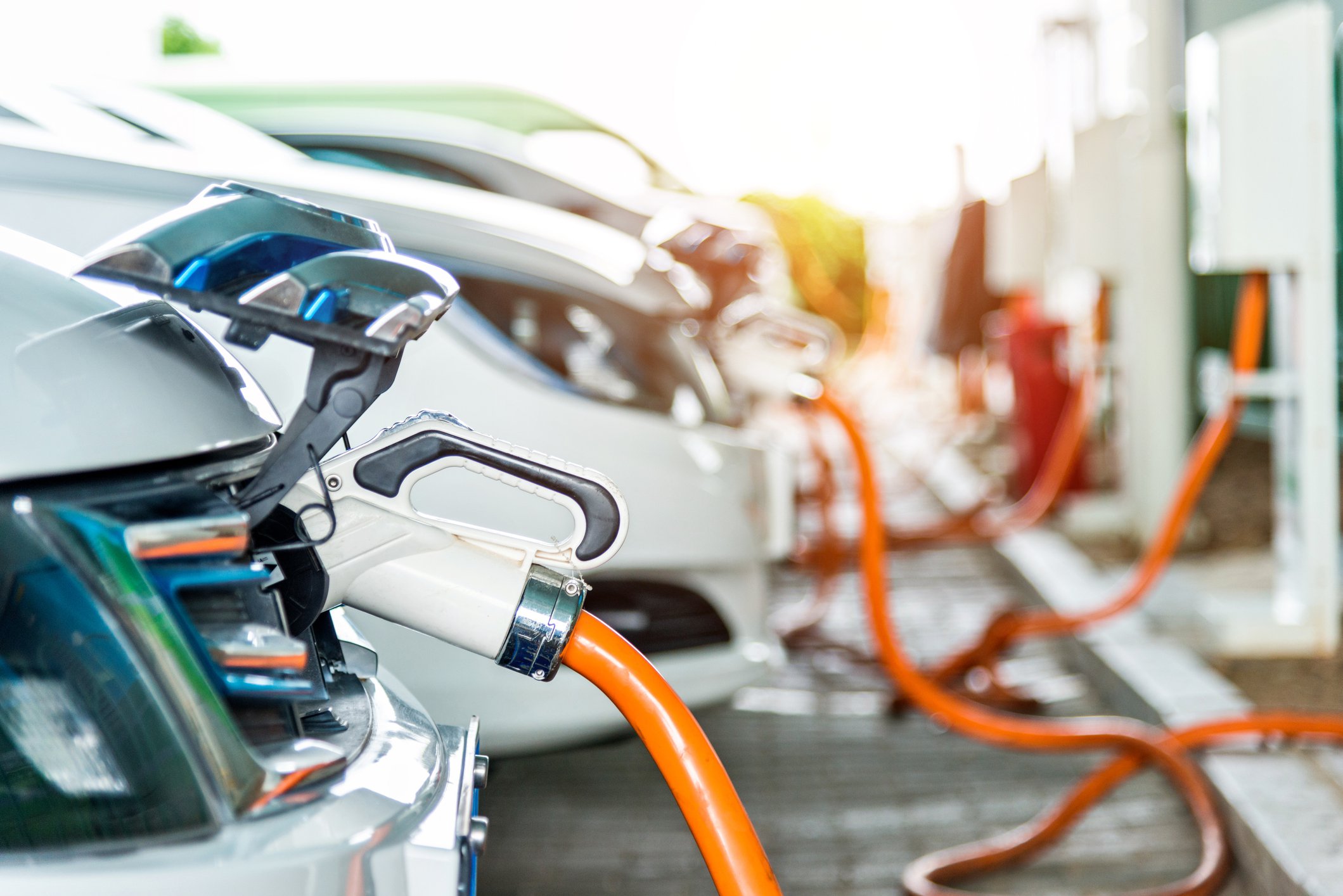
Image source: Getty Images.
These strategies could yield markedly different results by 2030. The automaker selling the most vehicles may not necessarily generate the strongest profits or deliver the best returns for investors.
BYD's growth story is moving beyond China
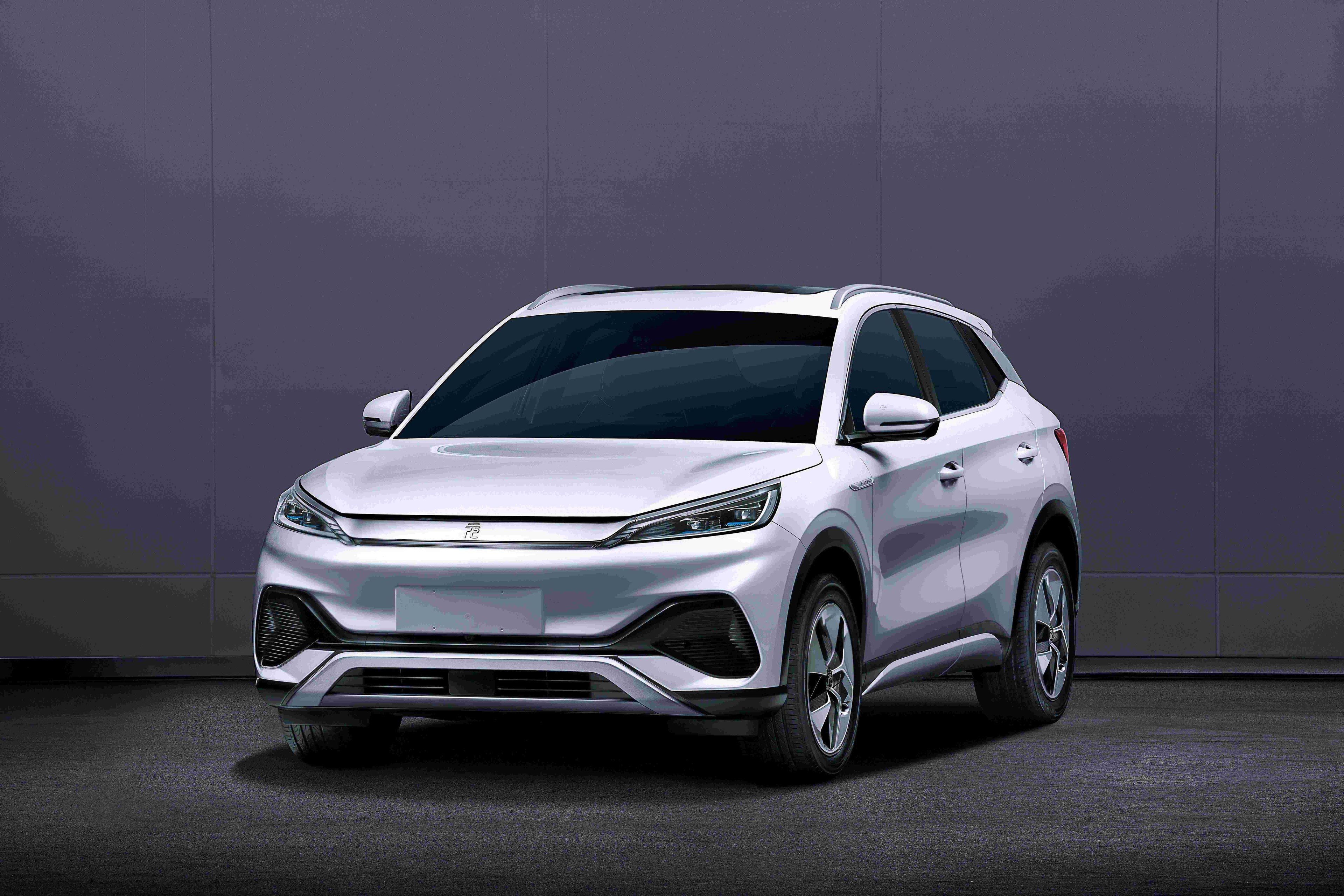
BYD is emerging as one of Tesla's strongest rivals in global EV sales. The company sold 3.13 million vehicles in the first nine months of 2026, including 1.34 million in international markets. Hence, international markets accounted for nearly 43% of the company's sales volume in the first nine months. In September 2026, the company's overseas shipments jumped 153.9% year over year to almost 179,877 vehicles.

OTC: BYDDY
Key Data Points
BYD's financial results also reflect its growing overseas business. International operations generated 53% of BYD's revenues in the first half of 2026. The company's gross margins for the overseas business also increased 1.9 percentage points year over year to about 21.7%. Strong overseas sales helped offset weaker demand and intense competition in China.
BYD could rank among the world's largest automakers by 2030, if its overseas expansion continues. However, the company also needs to be more profitable. BYD currently benefits from producing batteries and many other components in-house, as well as China's lower manufacturing costs. As the company shifts more production to markets in Europe(https://www.reuters.com/business/autos-transportation/byd-produce-trucks-europe-bid-become-european-company-2026-09-14/) to avoid import tariffs, it will need to demonstrate it can retain sufficient of these cost advantages to protect its overseas margins.
Ford and General Motors are putting profits ahead of EV volume
Ford's recent results help explain why the company is becoming more selective about EV investment. Ford Pro, its commercial-vehicle business serving commercial, government, and rental customers, generated $1.7 billion in profit, measured by adjusted earnings before interest and taxes (EBIT) in the second quarter (ending June 30, 2026). However, the company's Model e EV business posted an adjusted EBIT loss of $919 million in that quarter. Ford Pro also earned $3.4 billion, while Model e lost $1.7 billion in the first half of 2026.

NYSE: F
Key Data Points
Ford is also not abandoning electrification. The company expects hybrids, extended-range EVs, and fully electric vehicles to account for about half of global volume by 2030, up from 17% in 2025. However, Ford is now focusing its EV investment on a lower-cost platform for more affordable EVs, while putting more capital behind profitable trucks, commercial vehicles, and hybrids. Ford could also generate more revenue from its commercial customers through software, services, charging, and vehicle maintenance.
General Motors is also becoming more selective about EV investment. The company's North American adjusted EBIT margin reached 8.6% in Q2 (ending June 30, 2026), helped by strong demand for pickups and SUVs. General Motors also expects its EV losses to shrink by $1 billion to $1.5 billion in 2026. GM could enter 2030 with two profitable businesses: an established pickup-and-SUV operation and a much healthier EV business.

NYSE: GM
Key Data Points
Lower-cost batteries could help General Motors improve EV profitability. The company's Ultium Cells venture with LG Energy Solution is converting its Tennessee plant to produce lithium manganese-rich battery cells. General Motors says the new batteries could store more energy without costing more than today's lower-cost batteries. The Tennessee plant upgrade is expected to be completed by 2028.
However, there is a risk that cannot be ignored. EV adoption is advancing faster in markets such as Europe, while Chinese automakers continue to improve on cost and charging technology. Ford and General Motors can protect their profits today, but they will still need competitive EVs to remain strong global automakers by 2030.
Stellantis could improve simply by fixing its core business
Stellantis' 2030 story is expected to be mainly about recovery. The company's net revenues in the second quarter were up 13% year over year to 43.5 billion euros ($38.9 billion), but adjusted operating margin was only 1.8%.
Management aims to reach full-year revenue of 190 billion euros by 2030, up from 154 billion euros in 2025. This translates to only 4% annual growth. However, the tougher goal is to raise the adjusted operating margin to 7% and industrial free cash flow to 6 billion euros.
Stellantis, therefore, does not need to beat Tesla or BYD in EV technology. Instead, it needs the recent recovery in key North American brands such as Jeep and Ram to continue, while margins improve substantially.
If that happens, Stellantis could enter 2030 as a much healthier and more cash-generative automaker. The main risk is that the U.S. recovery will lose momentum while profitability in Europe remains weak.
Tesla needs more than vehicle growth
Tesla delivered 486,532 vehicles in the third quarter (ending Sept. 30, 2026).

NASDAQ: TSLA
Key Data Points
Analysts currently expect vehicle deliveries to rise from about 1.77 million in 2026 to 2.70 million in 2030, implying roughly 11% annual growth. Energy-storage deployments, however, are expected to rise from 56.5 gigawatt-hours to 148.8 gigawatt-hours. This implies roughly 27.4% annual growth.
Tesla could therefore enter 2030 with a much larger energy business while remaining a major EV manufacturer.
However, Tesla's roughly $1.46 trillion market value on Oct. 2 was more than six times the combined value of BYD, Ford, GM, and Stellantis. The high valuation suggests investors are already expecting substantial growth from businesses beyond vehicle sales, including autonomy, robotaxis, and robotics.
BYD looks like Tesla's biggest threat in vehicle sales. Ford and General Motors may not need EV leadership to remain highly profitable, and Stellantis mainly needs to fix its existing business. Tesla has the greatest upside from entirely new businesses, but its valuation also places the highest expectations on it to meet by 2030.