If you're familiar with the payments industry, you might be wondering how to invest in Block, Inc. (XYZ +4.07%). Over the past several years, Block has established itself as a pioneer in payment processing, making it one of the renowned fintech firms in existence.
Block Inc. (formerly Square Inc.) originally changed its name in 2021 to better differentiate itself from other payment processing companies. It's important to note that in January 2025, Block changed its stock ticker from SQ to XYZ.
Here, we'll explore how to invest in Block stock, review its financial health, how it can fit into your specific portfolio, and how to invest in Block indirectly (through exchange-traded funds) if direct investment feels too risky for you.
How to buy Block stock
- Open your brokerage app: Log in to your brokerage account where you handle your investments. If you don't have one yet, take a look at our favorite brokers and trading platforms to find the right one for you.
- Fund your account: Transfer money so you’re ready to invest.
- Search for Block: Enter the ticker "XYZ" into the search bar to bring up the stock's trading page.
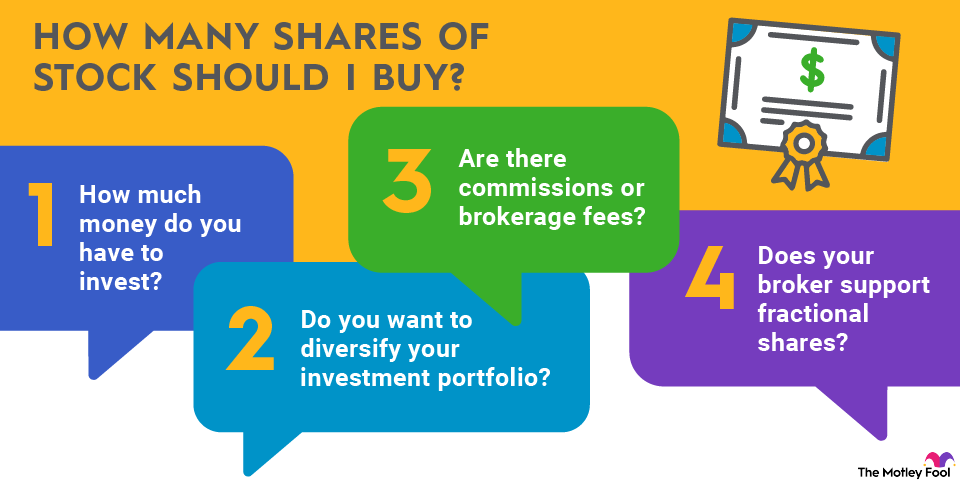
- Decide how many shares to buy: Consider your investment goals and how much of your portfolio you want to allocate to this stock.
- Select order type: Choose between a market order to buy at the current price or a limit order to specify the maximum price you're willing to pay.
- Submit your order: Confirm the details and submit your buy order.
- Review your purchase: Check your portfolio to ensure your order was filled as expected and adjust your investment strategy accordingly.
Should you invest in Block?
Whether Block is a good fit for your portfolio ultimately comes down to your risk tolerance. Some investors see single-stock investing as too risky, while others view Block’s long-term growth potential as worth the volatility.
Block operates widely used point-of-sale systems that help sellers accept payments and manage transactions, while Cash App serves the consumer side of the ecosystem. Both products have become well-known in a relatively short time, and revenue growth reflects that momentum. Sales have nearly doubled over the past few years, rising from under $10 billion to nearly $20 billion.
That said, the stock’s history hasn’t been smooth. From mid-2021 to mid-2023, Block lost nearly 80% of its market value. While shares have since rebounded to roughly their 2024 levels, the company has continued to post sizable net losses, driven by high operating expenses and heavy investment in product development. There are also lingering concerns around Cash App, including scrutiny over fraud and illicit use.
Block also won’t appeal to income-focused investors. The company has never paid a dividend and is unlikely to do so anytime soon.
Overall, Block may make sense as a speculative position for investors willing to wait for profitability improvements and stronger cost control. For more conservative or income-oriented investors, it’s probably not the right fit.

NYSE: XYZ
Key Data Points
Is Block profitable?
Block, Inc. reported a gross profit of $2.53 billion during the second quarter of 2025, marking a 12% year-over-year increase.
Despite consistent revenue and gross profit growth, the second quarter of 2025 total revenue of roughly $6 billion marked a decrease in total revenue. This proves that Block has struggled with consistent net profitability. While its financial performance shows significant operational progress, profitability has remained elusive in recent periods.
Does Block pay a dividend?
According to the most recent data, Block does not pay a dividend to its shareholders. This is characteristic of many growth-focused firms in the space and doesn't present a concern from a financial health standpoint.
Will Block stock split?
There isn't any forecast for a Block stock split in the near future, and the company hasn't split its common stock in the past. If the stock were to get prohibitively expensive in the future, it's conceivable that a stock split may occur. In late 2025, however, there were no plans for Block to split.
The bottom line
Block has gained tremendous press coverage for its revenue growth and the reach of its two primary components, Square and Cash App. Still, the company has struggled to maintain its net margin over the past several quarters and to justify its once-astronomical share price.
Overall, shares of Block remain compelling for investors confident in the company's management team's ability to control non-operating expenses and for those willing to take a flier on the company's ability to further expand revenue.
Before investing in any stock, try to make a commitment to hold it for the long term, regardless of its day-to-day fluctuations. At the same time, make sure you understand how the stock fits into your broader financial portfolio.