Fiverr (FVRR +1.86%) is an online marketplace that connects freelancers (sellers) with individuals or businesses (buyers) looking for digital services. Founded in 2010, the platform is known for its service-as-a-product model, which allows freelancers to package their work as predefined gigs that can be purchased instantly.

NYSE: FVRR
Key Data Points
Fiverr operates as a two-sided digital marketplace. Its model centers on reducing the friction of traditional freelance hiring (such as bidding or long negotiations) through standardization and automation. Freelancers list specific services with clear delivery times and scopes, and sellers typically offer three levels of service -- Basic, Standard, and Premium -- at different price points.
The platform hosts hundreds of service categories, ranging from graphic design and writing to artificial intelligence (AI) programming and virtual assistance. Fiverr generates revenue primarily through transaction-based commissions and service fees, and the platform takes a 20% cut from every completed transaction.
Buyers pay a fee for each purchase, typically 5.5% of the order total. For smaller orders, Fiverr applies an additional small order fee. The company makes money from Fiverr Enterprise, which is targeted at larger teams and corporate clients, as well as from recurring subscription fees to access project management tools and vetted talent.
There's also Seller Plus, a paid subscription for freelancers that offers advanced analytics, faster payment clearance, and personal success managers. Fiverr makes a smaller portion of its revenue from sources like Fiverr Learn (online courses for upskilling) and Promoted Gigs, where sellers pay for better visibility in search results.
Fiverr's initial public offering (IPO) occurred in June 2019. Shares soared 90% on the first day of trading. The stock reached an all-time high of around $323 in 2021 but is trading almost 40% down from the time of Fiverr's market debut through late 2025.
Fiverr experienced a massive boom during the COVID-19 pandemic as businesses and workers shifted online and e-commerce exploded. As the world reopened and in-person work resumed, its rapid growth slowed down and normalized, leading to a sharp drop in stock value from its peak.
The current economic climate, including inflation and tight financial conditions, has led small and medium-sized businesses (SMBs) -- Fiverr's core customer base -- to cut costs and reduce outsourcing. AI poses a significant long-term threat, particularly to the simpler, lower-priced creative and writing tasks that were historically the platform's strength.
Many buyers are now using AI tools to generate content themselves instead of hiring a freelancer, despite the fact that Fiverr has added a range of new AI-centric offerings. Here's what investors need to know about Fiverr, including how to buy stock, whether to invest in the business, its profitability, and more. Let's dive right in.
How to buy Fiverr stock
Here are the steps you need to follow if you want to buy shares of Fiverr stock.
- Open your brokerage account: Log in to your brokerage account where you handle your investments.
- Search for the stock: Enter the ticker or company name into the search bar to bring up the stock's trading page.
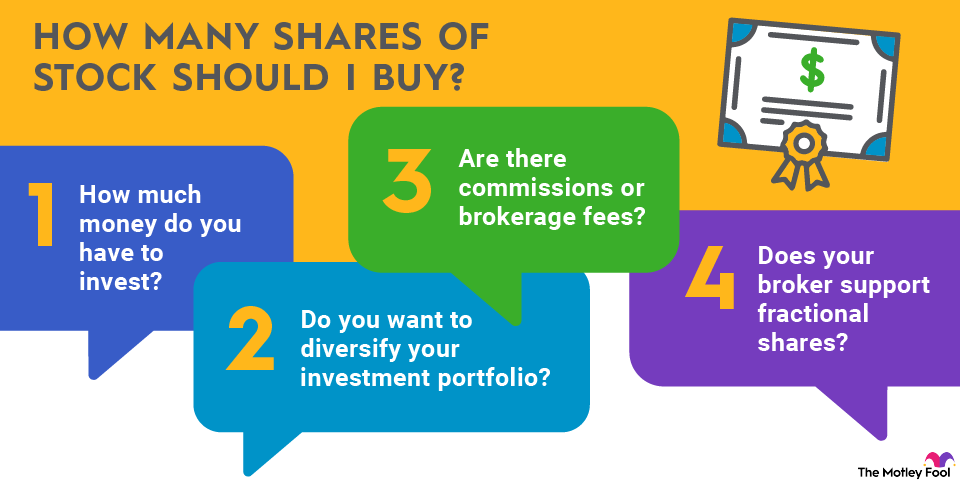
- Decide how many shares to buy: Consider your investment goals and how much of your portfolio you want to allocate to this stock.
- Select order type: Choose between a market order to buy at the current price or a limit order to specify the maximum price you're willing to pay.
- Submit your order: Confirm the details and submit your buy order.
- Review your purchase: Check your portfolio to ensure your order was filled as expected and adjust your investment strategy accordingly.

Should I invest in Fiverr?
There are multiple factors to consider if you're contemplating an investment in Fiverr at this time. Businesses, especially small and medium-sized businesses, are seeking talent to adopt AI technology, which is driving significant demand for specialized skills in AI development, machine learning, data visualization, workflow automation, and prompt creation. Fiverr has leaned into this tailwind by investing in AI categories and related solutions.
Fiverr is seeking to move upmarket and focus on larger, more complex projects that command higher prices and project scopes. This is reflected in an increasing average spend per buyer (up 11.7% year over year in the third quarter of 2025) and the growth of six-figure, multi-month contracts through its Fiverr Pro offering, which caters to larger businesses.
Growth in value-added services like Seller Plus and Fiverr Ads is diversifying its revenue streams and boosting overall profit margins. Fiverr is leveraging AI internally as well to improve platform operations, enhance buyer/seller matching and optimize customer support.
At the same time, a major concern is the consistent and accelerating decline in the number of active buyers. From Q3 2023 to Q3 2025, the number of active buyers dropped from 4.2 million to 3.3 million, which suggests persistent and worrying challenges with customer retention and acquisition. In Q3 2025 alone, active buyers dropped by about 12% year over year.
The bottom line on Fiverr
Fiverr has successfully become profitable and is showing strong earnings per share (EPS) growth. The company's focus on higher-value clients and services, as well as cost-cutting initiatives and AI integration, could continue to boost profit margins, which can translate to share price gains in the years ahead.
For long-term, growth-oriented investors, Fiverr could present the ability to capitalize on AI and shifts in the gig economy. However, those more skeptical of the long-term potential of the freelance market or concerned about near-term revenue growth may prefer to monitor the stock and business for further signs of sustained acceleration before putting cash to work.
FAQ
Investing in Fiverr FAQ
About the Author