A Short-Selling Example
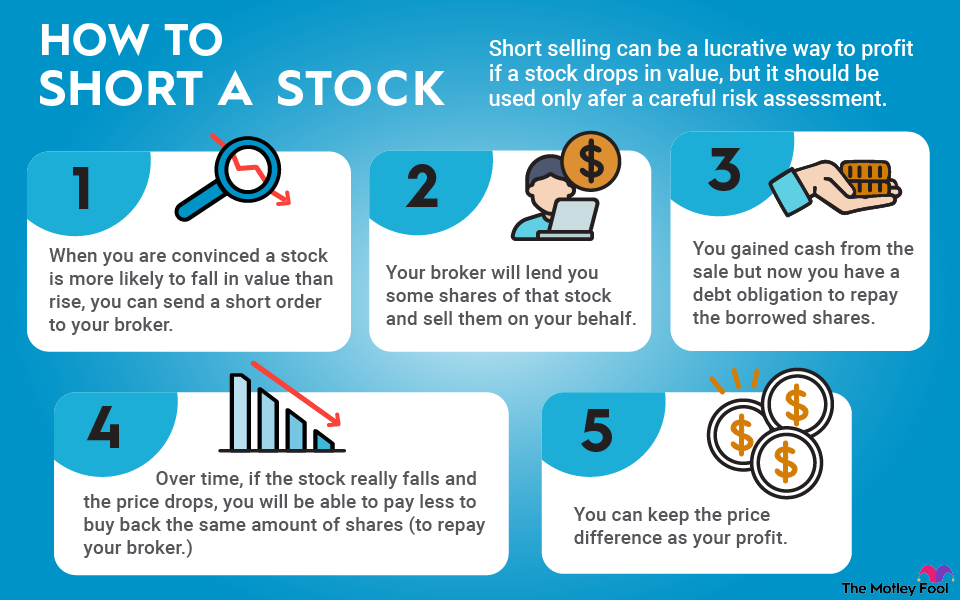
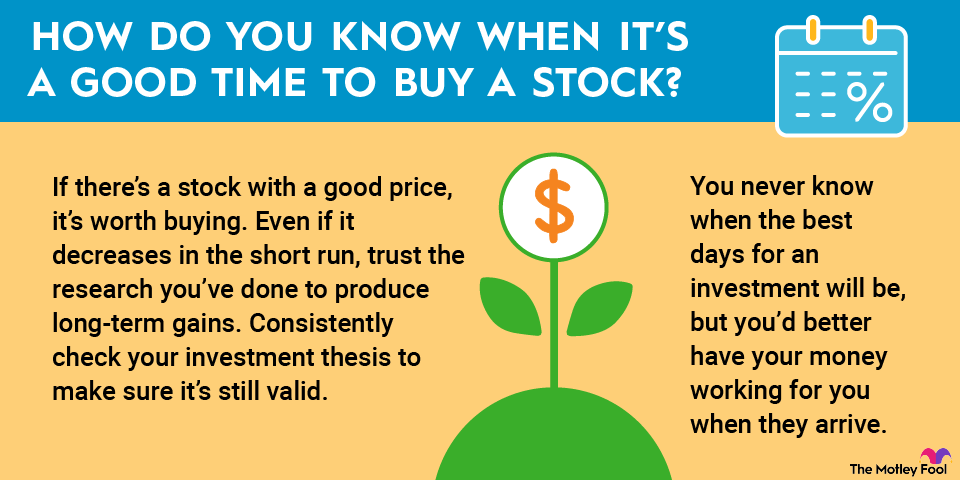
Here's how short selling can work in practice: Say you've identified a stock that currently trades at $100 per share. You think that stock is overvalued, and you believe that its price is likely to fall in the near future. Accordingly, you decide that you want to sell 100 shares of the stock short. You follow the process described in the previous section and initiate a short position.
When you sell the stock short, you'll receive $10,000 in cash proceeds, less whatever your broker charges you as a commission. That money will be credited to your account in the same manner as any other stock sale, but you'll also have a debt obligation to repay the borrowed shares at some time in the future.
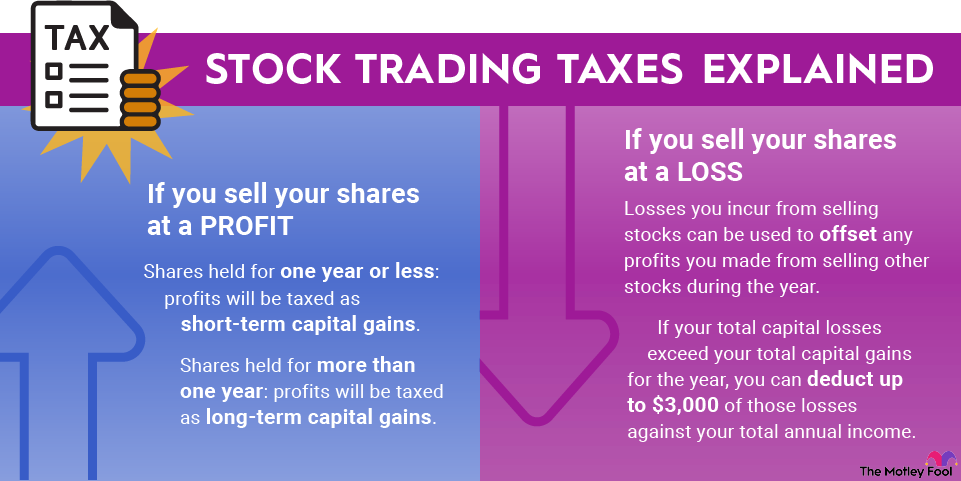
Now let's say that the stock falls to $70 per share. Now you can close the short position by buying 100 shares at $70 each, which will cost you $7,000. You collected $10,000 when you initiated the position, so you're left with $3,000. That represents your profit -- again, minus any transaction costs that your broker charged you in conjunction with the sale and purchase of the shares.
What are the risks of shorting a stock?
Keep in mind that the example in the previous section is what happens if the stock does what you think it will -- declines.
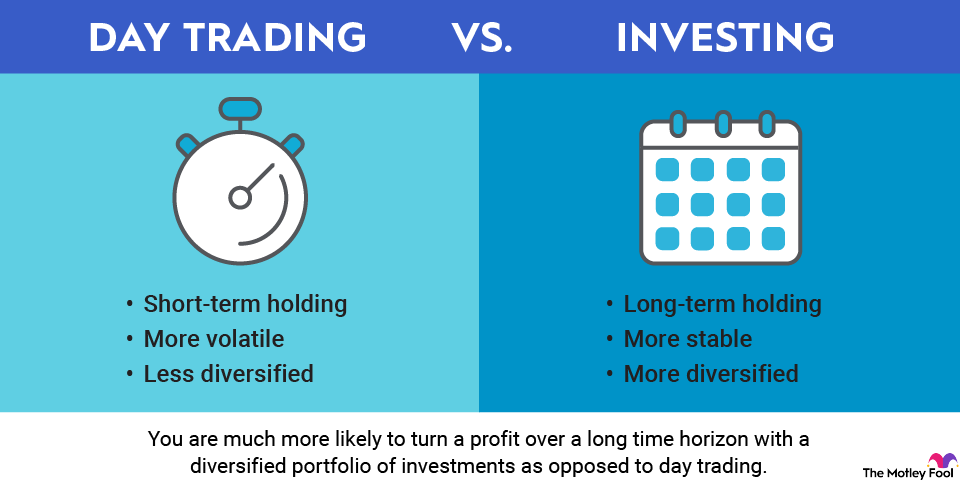
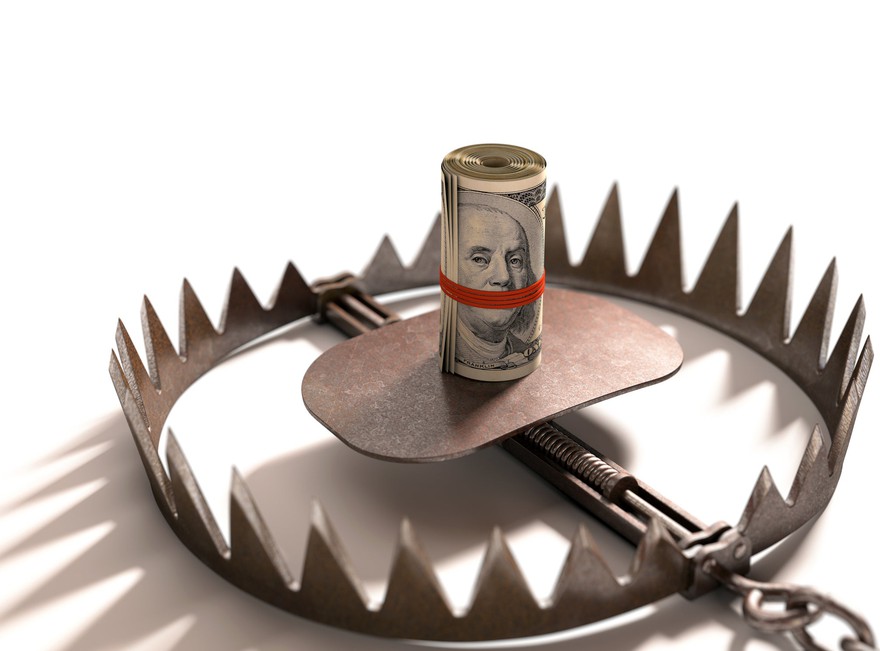
The biggest risk involved with short selling is that if the stock price rises dramatically, you might have difficulty covering the losses involved. Theoretically, shorting can produce unlimited losses -- after all, there's not an upper limit to how high a stock's price can climb. Your broker won't require you to have an unlimited supply of cash to offset potential losses, but if you lose too much money, your broker can invoke a margin call -- forcing you to close your short position by buying back the shares at what could prove to be the worst possible time.
In addition, short sellers sometimes have to deal with another situation that forces them to close their positions unexpectedly. If a stock is a popular target of short sellers, it can be hard to locate shares to borrow. If the shareholder who lends the stock to the short seller wants those shares back, you'll have to cover the short -- your broker will force you to repurchase the shares before you want to.