Retirement can be an exciting period of life. After many years of hard work, you're no longer chained to a desk. Rather, your weeks are yours to do what you please. That could mean exploring new hiking trails, trying out new recipes in your kitchen, or reconnecting with old friends you've sorely missed.
But as fulfilling as retirement can be, that period of life might also present certain financial challenges. Here are three that every retiree needs to prepare for.

Image source: Getty Images.
1. Limited mileage from Social Security
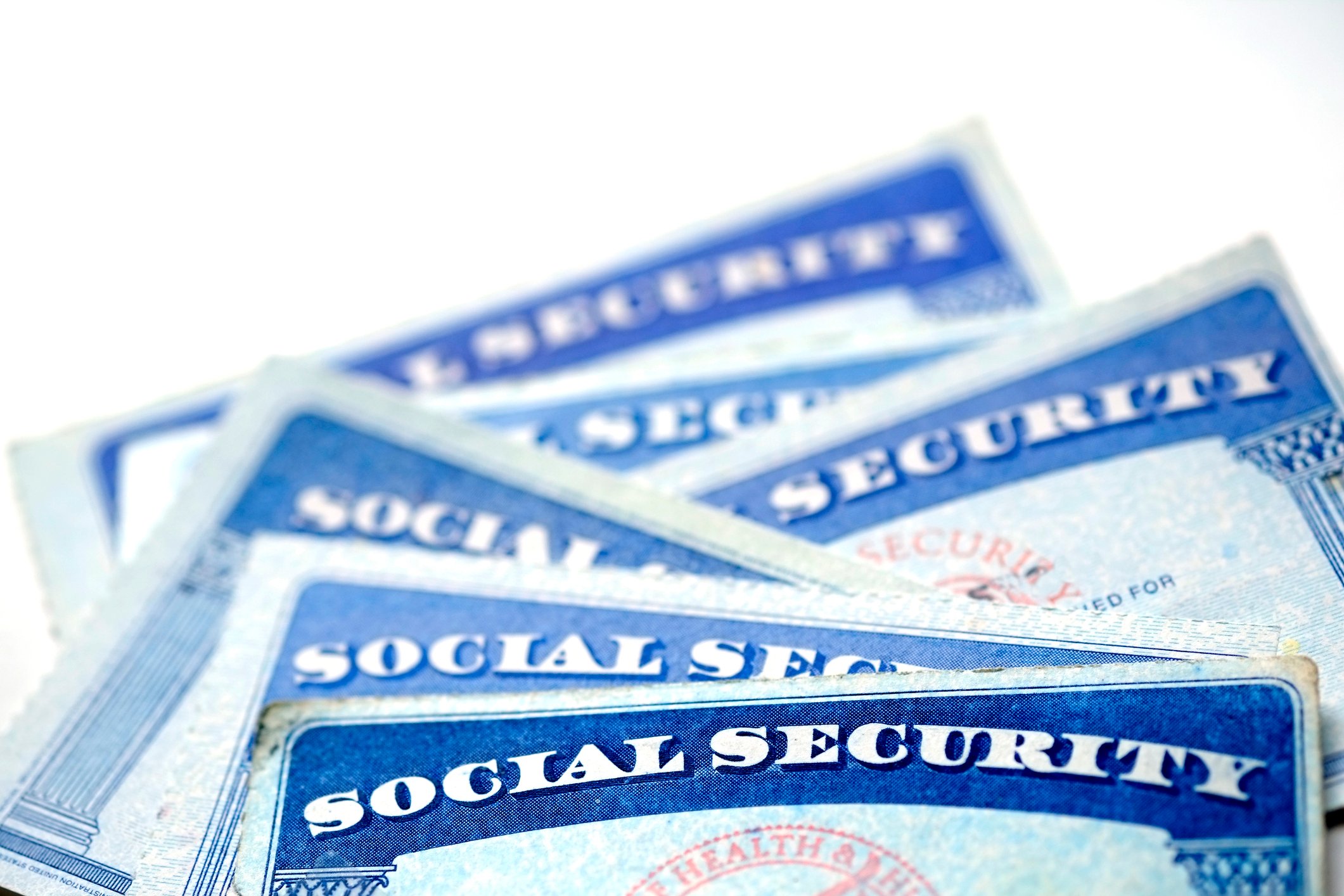
Social Security is an important income stream for many older Americans. But your monthly benefits may not go as far as you'd expect them to.
For one thing, Social Security is facing broad benefit cuts in about a decade unless lawmakers manage to intervene. But even if Social Security doesn't end up having to cut benefits, those monthly checks will only replace about 40% of your pre-retirement wages, assuming you earn an average income.
Most seniors need about twice that much income to keep up with their expenses and have money left over to stay busy. And let's also not gloss over the fact that Social Security's annual cost-of-living adjustments (COLAs) tend to lag behind inflation, even though they're supposed to keep up with it.
The solution? Build yourself a robust retirement nest egg so Social Security isn't a major source of senior income for you.
If you manage to accumulate a nice IRA or 401(k) balance, you may find that withdrawals from your retirement account are your primary income stream, and that Social Security is only secondary. In that scenario, broad cuts or sluggish COLAs may not be such an issue.
2. Rising healthcare costs
In recent years, Medicare costs have climbed for seniors, and healthcare costs have broadly outpaced inflation. That's not necessarily going to change. Compounding the issue is that as you age, more health issues may arise, requiring you to spend a lot of your income on medical care.
The solution? Have dedicated savings for healthcare expenses in retirement.
An HSA is a great option in that regard. HSAs allow you to save and invest money in a tax-advantaged manner. And withdrawals from these accounts are tax-free when used to pay for qualifying healthcare expenses. Because those funds never expire, you can reserve your account balance for retirement, when you may need the money the most.
3. Stock market turbulence
Stock market volatility can be nerve-racking at any stage of life. But it can be an especially troubling thing in retirement because at that point, you may be regularly dipping into your portfolio to cover some of your expenses.
If your portfolio loses value during a market crash in your 40s, you may have 20 years to wait out a recovery. But if your portfolio loses value during retirement, you don't have that same waiting period.
The solution? Make sure you have at least two years' worth of living expenses in cash as a retiree. That gives you time to ride out a market dip and avoid locking in losses.
It's also a good idea to scale back on stocks when you're in retirement. The exact percentage of your portfolio you opt to keep in the stock market should hinge on your risk tolerance, spending needs, and other income sources. But a 50/50 split between stocks and stable assets like bonds may not be a bad idea so you're protected against market turbulence.
At the same time, make sure the stock portion of your portfolio is nicely diversified. You may also want to hold some dividend stocks, since dividend payments could serve as a hedge against market downturns by paying you even when stock values decline.
You may run into issues as a retiree due to Social Security not paying you enough, healthcare costs rising, and the stock market losing value at the worst possible time. Having a plan to address these challenges could be your ticket to getting through them unscathed.