Throughout adulthood, you hear about the importance of things like an emergency savings account and saving for retirement. What you don't hear about so often is that you may have to make required minimum distributions (RMDs) once you reach the age of 73 (or 75 if you were born in 1960 or later).
The amount you'll need to withdraw will depend on your age and the amount in your account. You'll be required to take an RMD if your money is invested in any of these accounts:
- 401(k)
- 403(b)
- 457(b)
- Traditional IRA
- SEP IRA
- SARSEP IRA
- SIMPLE IRA
Take a look at the following questions to see how much you know about RMDs.

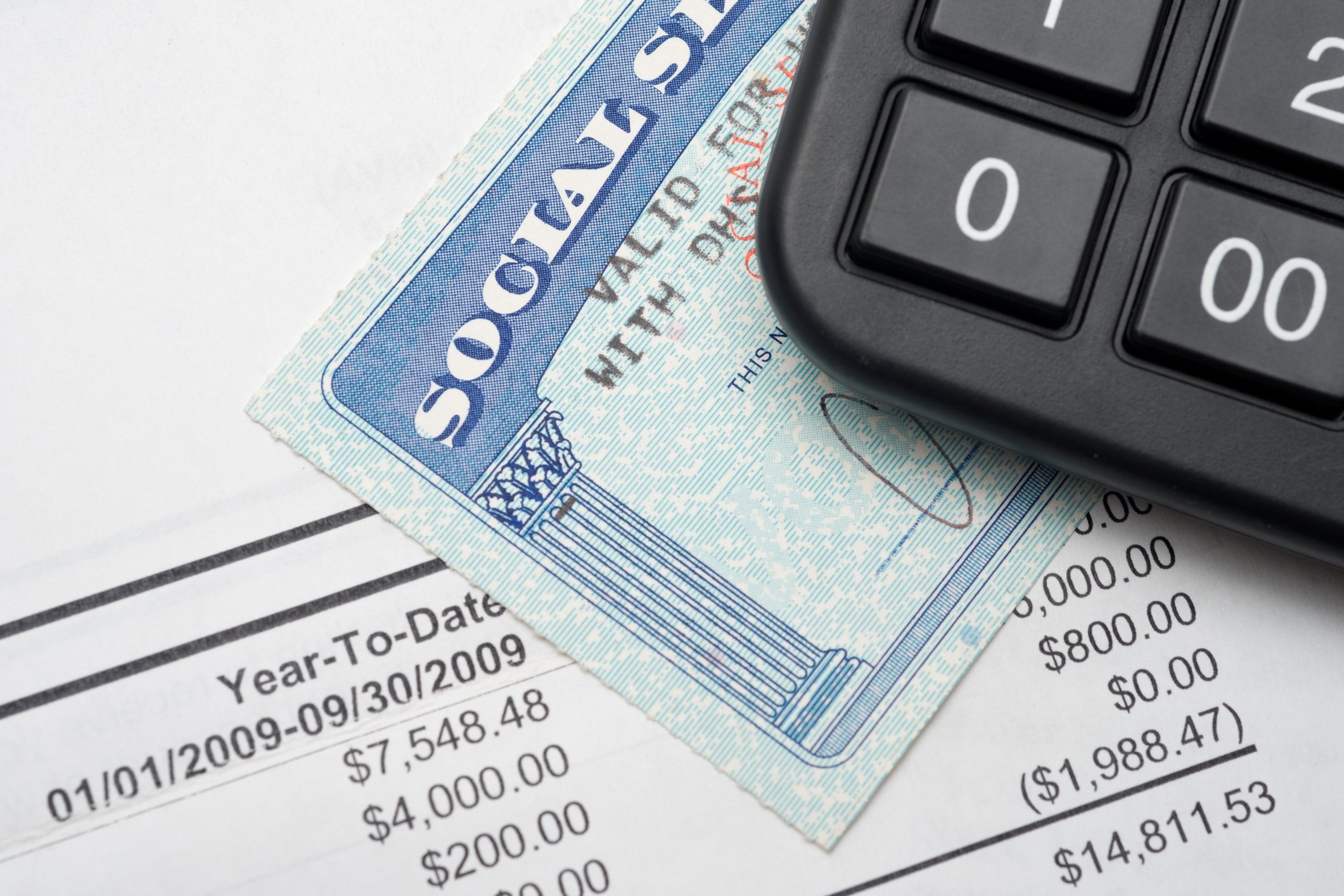
Image source: Getty Images.
1. Why do I have to take RMDs?
Required minimum distributions are the federal government's way of getting the taxes it missed out on when you made tax-deferred contributions to your account.
2. How are RMDs taxed?
They're taxed at your ordinary tax rate.
3. What if I'm still working?
If you're still working, you may still have to take RMDs at age 73 or 75. For example, if you have an IRA, like a traditional IRA or SEP IRA, you must take your RMD whether you're working or not. You can delay taking them for an employer-sponsored plan, such as a 401(k) or 403(b), if you're still working for the same employer, even if it's only part-time. However, if you have a retirement plan through a former employer, you must take RMDs when you reach 73 or 75.
In other words, the only RMDs you can delay are from the retirement plan through your current employer.
4. What if I fail to take the required amount?
If you withdraw less than the IRS requires you to take, you could face a 25% excise tax. For example, if you're supposed to withdraw $20,000 but totally forget, you may end up paying a $5,000 penalty. However, that penalty can be waived if the reason you failed to take the RMD was due to something outside of your control. If you were hospitalized, for example, you could request a waiver by filling out a Form 5329 with the IRS.
If you correct the issue by taking the RMD within a two-year window, the penalty may be reduced to 10%.
5. Can't I just roll the funds from my retirement account over to a Roth IRA?
If your calculations show that your later retirement years would benefit more from a Roth IRA, you can transfer money from your original account into a Roth. However, the money transferred will still be added to your annual income, and taxes will be due.
If you answered each of these questions easily, congratulations! You're well-versed in RMDs and unlikely to ever hit a snag. If the questions made little sense to you, you may want to brush up on your RMDs so you never find yourself paying an unnecessary penalty.