The New Year is a great time to review your finances and assess if your portfolio still aligns with your long-term goals. It may be a good idea to reallocate your assets based on changes to your risk tolerance, expenses, and other factors.
These are the three moves you should make as you run a portfolio checkup.

Image source: Getty Images.
Review the performance of your holdings
Retirees allocate their money among stocks, funds, bonds, and other assets. While your returns may trail the S&P 500 index if you reduce risk with more bonds, it's still important to earn a positive return. Your bonds should produce similar returns as other bonds, while any growth stocks in an investor's portfolio should outperform the S&P 500.
Investors may want to consider trimming underperforming assets and moving the capital into other funds that can deliver. It's also good to review expense ratios to ensure you aren't paying too much in fees. Passive funds that follow key benchmarks, like the S&P 500, tend to have expense ratios below 0.10%. However, actively managed funds are far more expensive, with some of them having expense ratios above 1%.
Diversify your holdings
Portfolio diversification becomes more valuable as you get older. Putting all of your wealth into a small number of stocks can leave you vulnerable if a single stock in your portfolio drops significantly due to weakened fundamentals.
Investors can diversify into many stocks, but it's even easier to spread your portfolio across many holdings with a few funds. For instance, an exchange-traded fund (ETF) that tracks the S&P 500 gives investors exposure to the 500 largest, profitable U.S. corporations.
It's also good to keep your risk tolerance in mind when diversifying. Some people shift away from stocks and put more money into bonds to minimize volatility and generate cash flow. This shift often accelerates when people are in their 60s, 70s, and 80s since the goal will move from wealth accumulation to preservation.
Do some tax planning
If you have multiple retirement accounts, you may want to take some time in your portfolio checkup to do some tax planning. Withdrawing all of your money from a traditional 401(k) plan in one year will result in the highest possible tax bill. Spreading withdrawals over several years minimizes the tax hit.
It's optimal to withdraw from traditional retirement plans after you've retired. That way, you won't have a salary that can push you into a higher tax bracket. Some people retire in their 60s and withdraw from their nest eggs instead of taking out Social Security early to minimize their taxes and maximize their payouts.
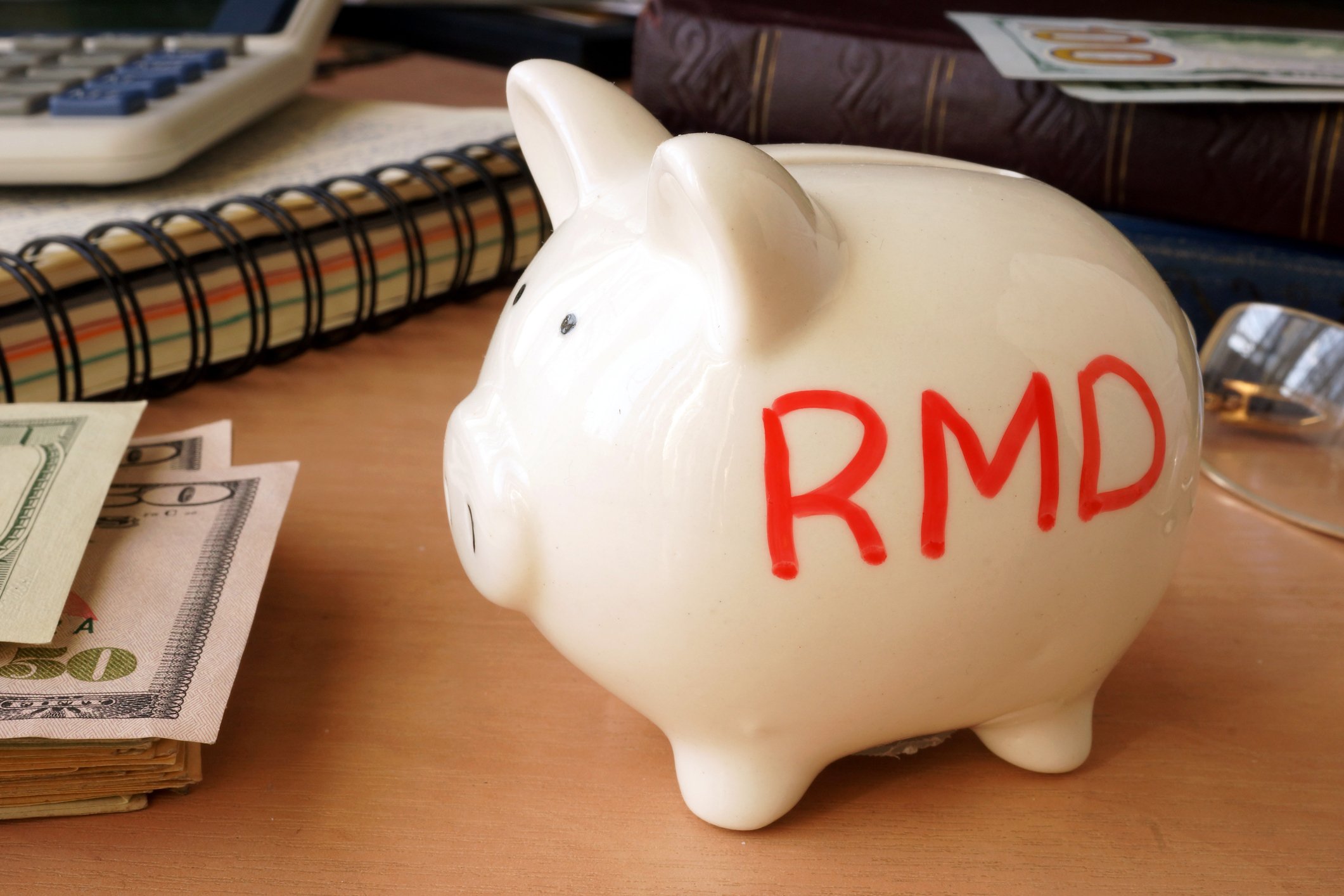
You may want to speak with a financial advisor for proper tax planning, especially if you have a multimillion-dollar portfolio. Gradually withdrawing from your retirement plans will also minimize the required minimum distributions (RMDs) that will take place later in your life.